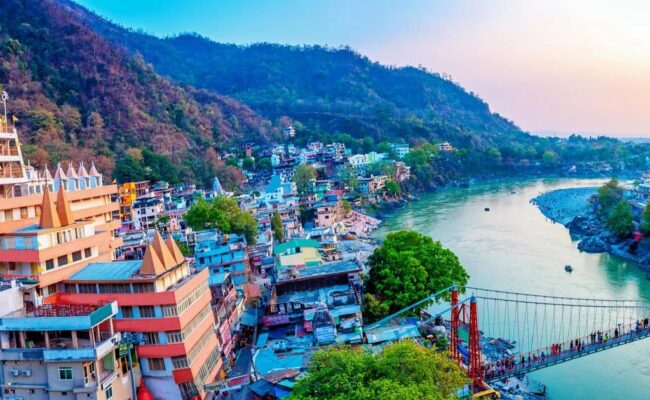
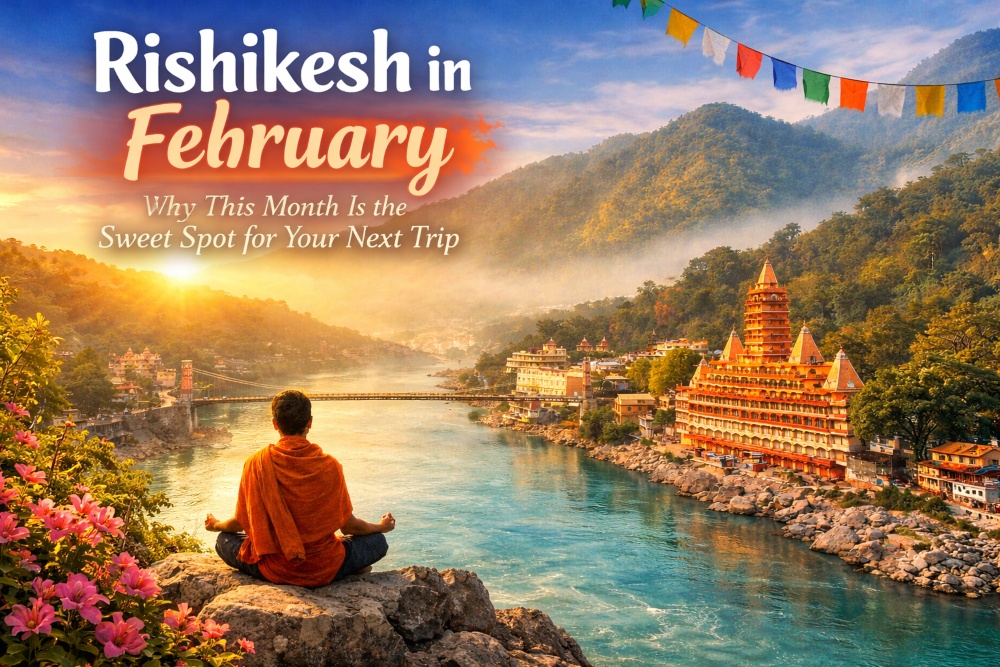
If Rishikesh had a “best-of-both-worlds” season, that would be February. There is still a chill in the water (the average high temperature is just 62 degrees), but days are generally comfortable (highs typically reach the mid-60s) and skies are often clear, and town isn’t nearly as mobbed as it can be during peak holiday weeks. And you can rise to misty river mornings, spend afternoons hunting vantage points and waterfalls, and stitch it all together with the glow of Ganga Aarti – without ever feeling rushed or overrun.
Here’s why February is the ideal time to visit Rishikesh, along with what you need to know before you go, what to pack and a realistic itinerary that’s easy.
The weather is cool, crisp, and made for exploring
Rishikesh in February falls into that walking-all-day sweet spot: comfortable daytime temps and nights cool enough to warrant a sweater.
What that means for you:
- The ghats, suspension-bridge areas and riverside lanes are perfect for long, leisurely walks.
- Better trekking conditions (less fatigue, clearer skies)
- Cafe, aarti and sluggish walks on the riverside make for lovely lazy nights
The spiritual vibe feels stronger when the town is less hectic
Rishikesh is always spiritual – but in February, it can feel even more that way, because there is room to breathe. With fewer high-season crowds, you can linger at temples and ashrams and bask along the river.
Don’t miss: Ganga Aarti
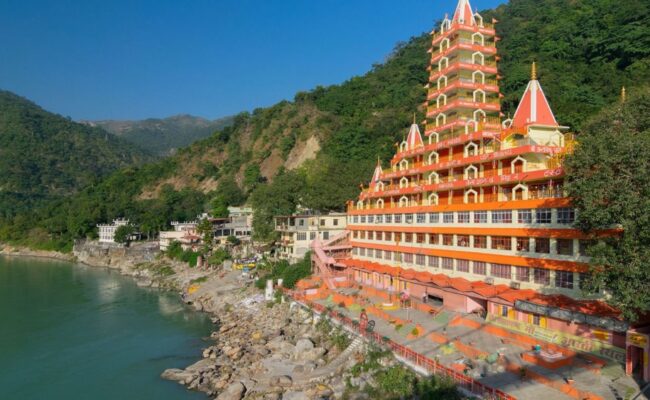
One of the most grounding things to do here is to attend the evening aarti at Triveni Ghat (a good proportion also go to Parmarth Niketan). During winter, the aarti is generally earlier than in summer, so ensure you arrive before sunset if you want decent space by the river.
Tip: Arrive 30-45 minutes early and stake out a spot where you can watch both the priests and the river.
February is Great For Yoga, Meditation, and Retreats
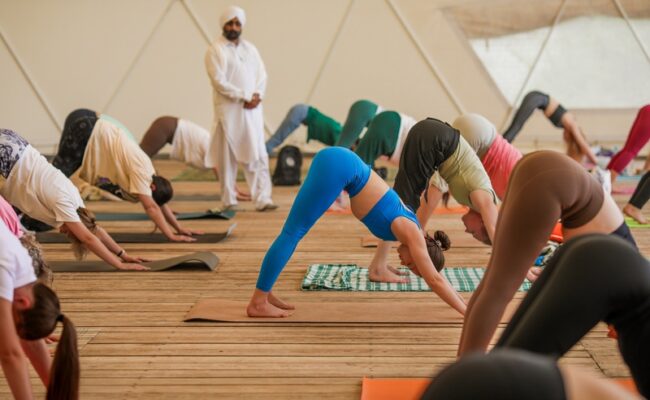
Globally famed for yoga and teacher training courses, Rishikesh is a place where February can be relatively easy to maintain some kind of routine – just imagine morning practice, sattvic meals such as “vegetable sandwiches” with light dressing cut into small vertical sections, and quiet evenings on repeat.
Why February is great for wellness travel:
- Mornings are peaceful and ideal for pranayama & meditation.
- Afternoons are the best time to go out for a walk and explore lightly
- Evenings taper off easily – good for journaling or restorative classes
If you’re contemplating a getaway, February also often seems like a “calm before the buzz” with enough going on to keep things interesting but not as jam-packed as peak-crowd months.

Why February is an excellent month for Yoga Teacher Training (YTT) in Rishikesh
If you’re traveling to Rishikesh specifically for a Yoga Teacher Training, February is actually a very good idea – especially if you are after dedicated studies and regular practice with minimal distraction.
A training-friendly climate
Those YTT schedules are grueling: early wake-ups, back-to-back asana sessions, lectures, and self-study. February’s cooler temps are the perfect time to:
- Hold postures longer without overheating
- Stay energized through full-day training
- Sleep better at night (which matters for early classes).
Fewer distractions = deeper immersion
It can feel tamer than the peak holiday season. You are in luck because:
- You’re not as tempted to “do it all” every day
- The pace of the town encourages discipline — practice, meals, rest, repeat.
- The silent evenings lend themselves to meditation, chanting, and study
Ideal for building a strong routine
Most YTT programs (especially 200-hour trainings) operate by redundancy: practicing asana, correcting alignment, breath work, and teaching drills. In February, it gets a little easier to find your groove:
- Sunrise practice
- Clean meals
- Minimal late-night noise
- Better recovery between sessions
Better value and availability (often)
Shoulder-season months can offer better deals or more options in many places. While not all schools are like this, in some cases, you might get in February:
- More flexibility in choosing batches
- Better teacher attention (smaller groups)
- Space near training centers available
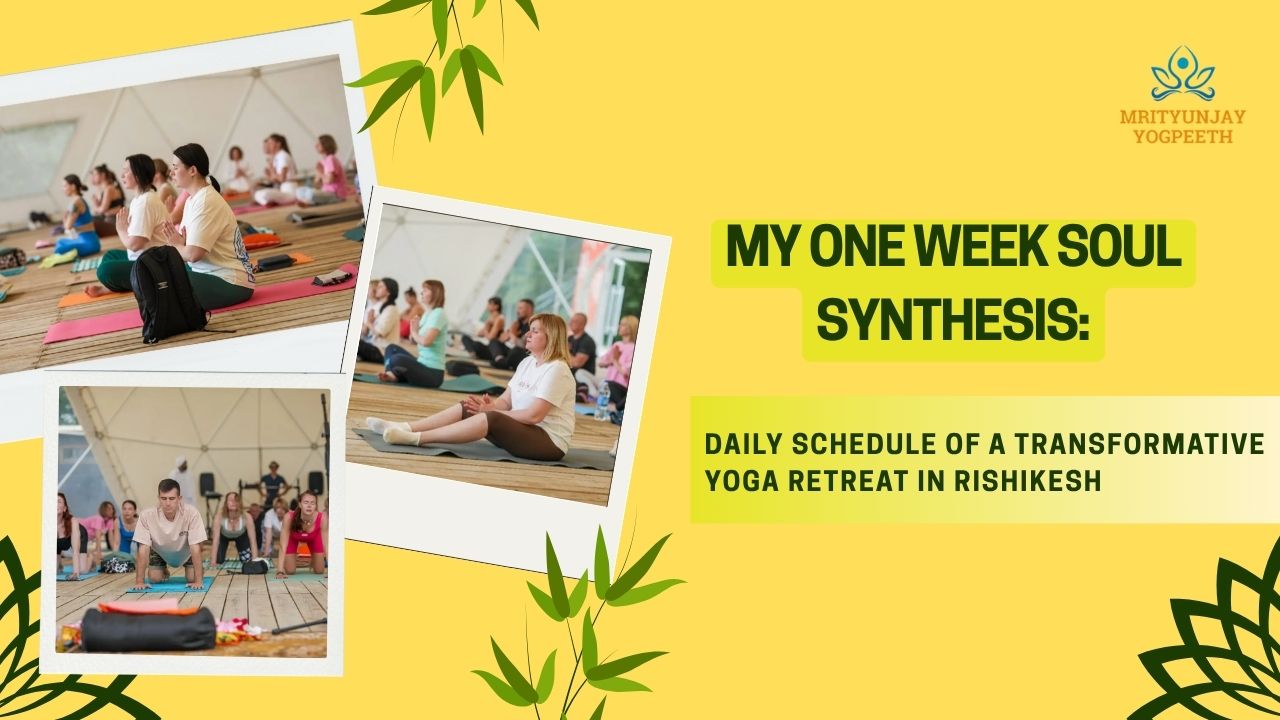
What a typical YTT day feels like
Here is a general idea of how the day might look – keep in mind that schedules differ among Rishikesh YTTs:
- Morning cleansing/breathwork
- The physical asana (Hatha/Vinyasa/Ashtanga, depending on location) practicing. The session consists of.
- Philosophy (Yoga Sutras, Bhagavad Gita fundamentals, ethics regarding lifestyle)
- Anatomy and alignment
- Teaching methodology and practicum
- Evening meditation or chanting
What to expect if you come. To be clear: You’re not coming for a vacation in February, you’re taking time away from your regular life to attend an organized transformative event – intentional luxury is one of the reasons why people opt to do it.
Quick checklist for choosing the right YTT school
Before booking, look for:
- Transparent curriculum information (style taught, daily schedule, practicum time)
- Teacher profiles and experience
- Group size limits
- Accommodation and food inclusions
- Honest policies (refunds, attendance, assessment)
- Reviews of teaching quality, not just the geographical locale
You Can Still Chase Adventure - Just Plan For The Cold
Rishikesh is adventure central, and February doesn’t turn it off – it just means you prepare sensibly.
River rafting: possible, but winter rules apply
Rafting does run in winter, though both air and water temperatures in February can be chilly. Crowds are typically smaller, and availability may be dependent on conditions.
If what you’re looking for a raft to do in February is:
- Choose a Safety Certified Operator
- Ask about wetsuits and thermal layers
- Plenty fast, shorter stretches may be better if it’s your first time.
- Begin when it is already warmer in the morning
- Always verify rival level locally (these can be finicky).
If rafting isn’t right for you, February is nevertheless a great time of year for:
- Riverside hikes and viewpoints
- We spoke on the phone a few days later, while I was ziplining.
- Camping (with proper warm gear)
It’s One of the Best Months for Short Treks and Waterfalls
With cooler afternoons, and generally clearer skies, February is a good month for nature walks – if you want to move without summer heat.
For many, it’s Neergarh (Neer Garh) Waterfall. The trail is picturesque, and the weather enhances the hike compared with in warmer months when heat and sweat are a continual management issue.
Safety note: February may feature icy water – cool for pics, maybe less so for lengthy swims.
You May Catch Powerful Festivals and Devotional Energy
Depending on the year, February features significant spiritual holidays, and that can bring something to the feeling of town – more chanting in the temples, more lights, more temple activity, more hum in the air.
Even if you don’t time your trip for a festival, February is the month when India often seems most culturally alive: morning temple bells, evening prayers called aarti and a constant tide of devotion to an unknowable number of gods.
Clearer Days Mean Better Views and Better Photos
Winter light in the Himalayas is different: softer mornings, golden evenings, and often clearer vision. February is ideal for:
- River + bridge views
- Photography around temple and ashram in soft sun light
- Sunset shots from the top cafés and viewpoints
If you couldn’t think of things worse than slow travel and photography, February has plenty of mood without peak summer’s brutal light.
Best Things to Do in Rishikesh in February
Here’s a practical list you can build your days around:
Spiritual + slow travel
- Evening Ganga Aarti
- Sunrise river walk + chai
- Ashram visit + meditation session
- Sattvic meals and café hopping
Yoga & learning (especially for YTT seekers)
- Experiment with drop-ins before you decide on a course
- Join a class or philosophy lecture, or meditation satsang.
- Pop into several schools and notice how lessons are delivered to students
- If in YTT: Apply afternoons to recovery and self-practice
Nature + light adventure
- Neergarh Waterfall trek
- Panorama hikes (mid-afternoon is warmest)
- Riverside cycling and walking trails
Thrill (with winter prep)
- Rafting,, if season allows and have cold-weather gear!
- Flying fox or swing (where in use)
What to Pack for Rishikesh in February
Must-haves
- Warm layers: fleece + light jacket (nights can be chilly)
- Comfortable walking shoes
- Sunscreen + sunglasses (winter sun can still be bright)
- Reusable water bottle
Nice-to-have
- Light gloves or a beanie for early mornings
- Quick-dry towel (waterfalls/riverside)
- A shawl/scarf for temple and ashram etiquette
- A notebook for YTT notes, journaling, and self-reflection
A Simple 3-day February Itinerary (No Chaos, All Vibes)
Day 1: Arrive + settle into the river rhythm
- Check in and relax
- Café lunch
- Sunset walk by the river
- Evening Ganga Aarti
Day 2: Yoga morning + nature afternoon
- Sunrise yoga (Or try out a class in a school you’re thinking of attending).
- Ashram or temple visit
- Lunch + rest
- Waterfall trek and sunset viewpoints
Day 3: Training-focused or adventure day
- If you’re thinking about YTT: visit schools, talk with teachers, see their space
- If we are doing rafting : short stretch of rafting (in the late morning)
- If not: sights, shopping and cafés
- Wind down with a leisurely stroll by the river
Frequently Asked Questions
1. How is February In Rishikesh?
The days are frequently enjoyable and the nights cool. Later, up and you’ll be fine.
2. Should I take YTT in February?
Yes – particularly if you prefer a structured routine, comfortable practice weather and less distraction. It is a terrific month for steady learning and rebounding.
3. Can I go rafting in February?
Sometimes, and it might be a bit chilly and rely on the river’s condition and the operator’s schedule. Confirm locally and go prepared.
4. When is the best time for Ganga Aarti in February?
It’s often earlier than summer. Arrive a little before sunset and early for a good spot.
5. How is the month of February in Rishikesh?
No February is quieter than during high summer months. Fewer tourists, quieter ghats and a tranquil setting for yoga, meditation and introspection await.
Final Takeaway
Go to Rishikesh in February for the perfect mix of comfort, calm and character: it will be clear enough for walking, deeply spiritual with lots of wellness opportunities, and adventurous without being suffocating.
And if you’re eyeing Yoga Teacher Training, February is an unusual mix of training-attuned weather, less buzz of energy and discipline-friendly pacing in which to go inner not just into postures but into whole yogic ways of life.