Yoga has taken root in the world far beyond its traditional origins in India over the last several decades and has become a widely practised form of wellness globally. Yoga is practised by people from countless nations, though to this day it remains common for those using yoga for flexibility, stress management, and physical health all around the globe. With this ever-growing interest worldwide, many practitioners tend to go beyond the physical practice of yoga. They start to get interested in the other (deeper) dimensions of yoga, its philosophy and teachings; meditation practices, breathing techniques, and lifestyle principles that can keep the mind-body balance.
For some students, this curiosity led at times to enrollment in more structured and immersive programs of study, like yoga teacher training programs. These usually covered subjects such as yoga philosophy, anatomy, pranayama, meditation, and teaching methodology. This more seasoned way of noticing their experience creates an awareness over time about how they all work together–how much noticing the teacher has directed towards supporting their whole health. These also need to be reached through practitioners’ training programs, such as discipline and awareness beyond practice that link with the deeper aspects of yoga.
The yearning to study yoga more authentically eventually brings many students – including talented Western teachers they worship – to its birthplace in India. That said, without a doubt, among the many destinations, Rishikesh is one of the most sought-after places for teacher training. Located in the foothills of the Himalayas along the Ganges River, the town is best known for its historical association with yoga and spiritual exploration. For this very reason, students from different parts of the world head towards Yoga Teacher Training programs in Rishikesh for professional certification and a better personal insight.
Why Rishikesh Is Known as the Yoga Capital of the World
Rishikesh is one of the biggest epicentres of yoga in the world. It has earned a name due to its intense spirituality, historical ashram traditions and the spirit of peace of the Himalayan area. Traditionally, in this environment, yoga is more of a complete lifestyle system than a physical exercise. Visitors, who come to the town for workshops or sometimes simply to practice yoga asana (postures), are given a full palette of yoga elements – meditation, philosophy and ethical living. This mirrors the foundational roots of yoga, that practice was something within a larger path that covered body, mind and emotion.
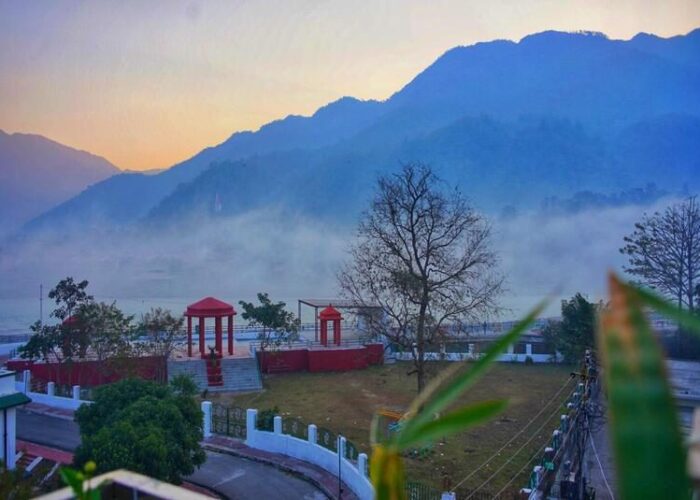
Rishikesh, being the old name place, has also a compulsory sacred field for more than 10 to 20 hundreds of years and with every centuries take in this religious road. Nestled against the sacred Ganges River in northern India’s Uttarakhand state, it has historically been seen as a place for meditation and spiritual study in the Hindu culture. It is said some of the sages and yogis of old would wander amongst these forests and caves near the foothills of the Himalayas, giving themselves over to contemplation, a disciplined life. Gradually, this vibrational environment attracted seekers from various parts of India, and the place became a hub for education & propagation of Yogic science.

As the town progressed, many ashramas and spiritual institutions were founded, promoting yogic wisdom. These centres developed into places of refuge for learning in which students could live within an environment around advanced masters practising disparate crafts. But other upstate ashrams – including Parmarth Niketan and Sivananda Ashram, both from south of India, and more traditional gurukul-style schools – have carried on with yoga that retains its teachings and does not fray strands of tradition. In recent decades, Rishikesh has also become an international capital of yoga education. The town draws students from all over the world for yoga festivals, retreats, workshops and teacher training programs. And the majority of those guests flock to hear the promise of studying in a setting that blends centuries-old teaching with breathtaking Himalayan views.
What Is Yoga Teacher Training (YTT)?
Yoga Teacher Training (YTT) is a set of structured educational programs to help students learn about yoga and its traditional roots. These types of programs are designed for students who wish to deepen their personal practice, but also those who are interested in a career as a professional teacher. Unlike a traditional yoga class that is focused almost solely on the physical postures, teacher training does not just have you attending classes. Students learn about things like yoga philosophy, meditation, pranayama (breathing techniques), and basic anatomy for body movement and posture. The training offers all this in the context of a holistic discipline by blending theoretical concepts with experiential practice.
The majority of Yoga Teacher Training programmes are governed by established guidelines formulated by organisations like the Yoga Alliance. Though Yoga Alliance does not govern yoga at a global level, it does provide widely accepted guidelines on hours of training and structure for the courses and teaching mode. Many yoga schools base their program on these guidelines so that students who graduate can register as certified instructors after completing the course. These standards ensure a certain level of uniformity in the quality of training while also providing students with a blueprint for entering the ranks of professional educators.
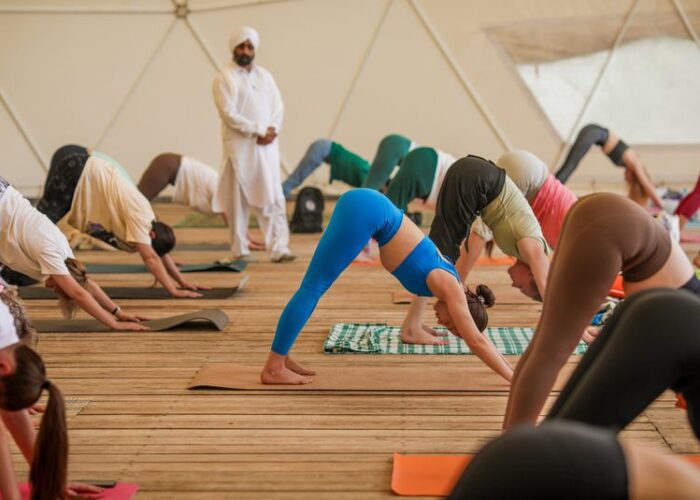
200 Hour Yoga Teacher Training Programs (the most common entry-level certification). This is generally taught as an intensive residential course over three to four weeks, but some schools offer part-time options that might span several months. Students take posture alignment, how to sequence a class, meditation techniques, basic anatomy, and teaching skills during training. Once certified in the 200-hour program, yoga practitioners may choose to pursue advanced certifications, including a 300 hour or 500 hour program, which teach further principles of yoga philosophy, therapeutic techniques, and more advanced practices for students.
Top Benefits of Yoga Teacher Training in Rishikesh
Students flock to Rishikesh from all around the globe in search of genuine yoga instruction in the birthplace of its culture. Yoga teacher training is more than just gaining a certification; there are even systems of traditional wisdom, immersive lifestyle practices and personal development here.
1. Learning Yoga from Authentic Traditional Roots
Yoga in its pure, original form was practised here, and it thrives. The majority of yoga schools in the city teach directly from classical Indian traditions and lineages of masters called guru-shishya parampara that were perfected over thousands of years.
Typically, not just physical practices but also foundational teachings, ethics (yamas and niyamas), and the philosophical tenets at the core of yogic life. Some of these teachings they take along with them as they come to understand that it isn’t just about the physical practice, it is a lifestyle which brings awareness and balance.
2. Immersive Yogic Lifestyle
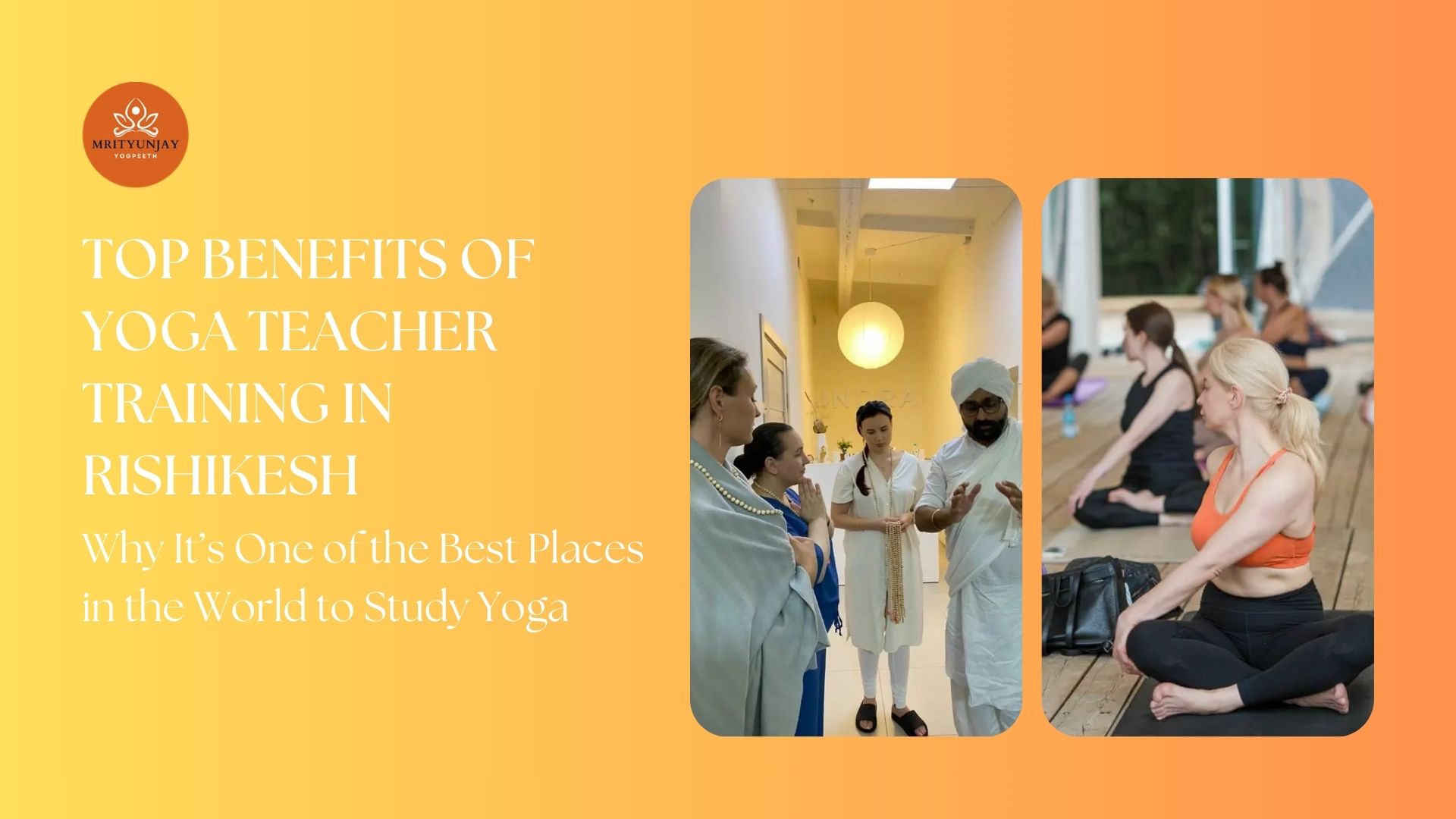
Yoga Teacher Training in Rishikesh – The ashram lifestyle Yoga teacher training in Rishikesh is most of the time held at residential programmes, where all participants live under one roof like an ashram. This no-holds-barred, immersive way to live gives practitioners the chance to practice yoga during most parts of their day as opposed to being limited to the time they can afford in the studio.
The average day for me begins early with meditation or pranayama practice, and morning asana practice. The ninjas-in-waiting sign up for classes on things like philosophy, anatomy, and teaching pedagogy throughout the day. Routine is not only a discipline; it leads to focus and practice.
This will give a Yogi experience in life, not only a tiny rectangle for the students.
3. Highly Experienced Teachers and Gurus
Rishikesh is the home of numerous eminent yoga teachers, some of whom have trained in traditional yogic systems for decades. Some teachers hail from yogic lineages in which knowledge is passed down from teacher to student over decades.
This knowledge helps teachers not only provide technical posture instruction, but also be aware of things beyond training. Because of this, students can expect instruction on meditation methods, philosophy, and psychological elements of yogic practice.
So surprising that learning from experienced teachers firsthand can help students develop a more sophisticated understanding of yoga’s principles and traditions.
4. Affordable Yet High - Quality Training
On top of that, another factor that makes Yoga TTC Rishikesh a preference for students is the relatively inexpensive training compared to those same programs in Western Nations.
Traveller’s note: Teacher training courses in Europe or North America can run anywhere from thousands of dollars just for the course, with housing and meals not included. On the other hand, in Rishikesh, numerous yoga schools provide complete residential courses (accommodation, food and tuition) at a substantially lower cost.
Many programs with lower costs offer high standards of education and international certification guidelines.
5. Deep Study of Yoga Philosophy
Most of us are first introduced to yoga through a physical practice of flexibility and strength. The majority of teacher training in Rishikesh favours a heavy (some would argue too heavy) focus on the philosophical element of yoga.
Students study some of the classics such as the Yoga Sutras of Patanjali, the Bhagavad Gita and Hatha Yoga Pradipika. They are books about living a life of virtue, the application of willpower and awareness, and reflections on consciousness.
These texts expose students to yoga as a system of philosophy that goes well beyond physical practice.
6. Strong Focus on Meditation and Pranayama
Breathing practices and meditation are elements of traditional yogic training. Most Yoga TTC Rishikesh programs also include daily classes of Pranayama and Meditation.
Students also learn several breathing techniques designed to balance energy, calm the nervous system and enhance concentration. The meditation method develops mental clarity and emotional stability.
Over the years, they have developed into powerful practices to help kids anchor themselves in their bodies when stress arises.
7. Global Yoga Community
One thing that makes Yoga Teacher Training in Rishikesh exceptional is the worldwide community it draws. Exercise science graduate students come from dozens of different countries and journey to the same training program.
These students come from different backgrounds, varying experiences and cultural settings that provide a constructive environment of shared insights. Friendships made while training have the potential to last well beyond the end of a program.
For many of those who take part, the community interaction is a highlight of their yoga experience.
8. Personal Transformation and Self-Growth
For most people, it is said that yoga teacher training can change their lives in ways they might not have even expected. Daily practice or philosophy study, combined with appropriate reflection in life, can lead to more profound self-awareness.
Through the updates students make, they may discover new things about their habits and emotional patterns as well as self-goals. While a punishing process, most participants say that training instils confidence, discipline and focus.
This lends itself to a repeatable structure, which can help incrementally improve your practice and then yourself.
9. Opportunity to Become a Certified Yoga Teacher
Accredited programs allow graduates to advance to professional teaching positions. A 200-hour course will empower many of those students to register with organisations such as Yoga Alliance and then guide yoga classes in studios or wellness centres, and online.
For others, teaching yoga is a side gig. Some incorporate yoga teaching into wider careers in health, wellness, coaching or therapy.
So a reputed Yoga certification in Rishikesh can open up to hundreds of pathways for self-growth as well as a profession.
10. Unique Natural and Spiritual Environment
The natural beauty surrounding Rishikesh is another aspect as to why it is such an important location for yoga study. The city is nestled at the foothills of the Himalayas and surrounded by a topography – forests, mountains, the Ganges River meandering through, a bit like Interstate – that cradles the bodies and prays to prevent death.
Students say this environment helps maintain their calm and focus. The serene environment gives them a break from the distractions of urban life and allows them to envelop themselves in their practice.
For many practitioners, this increases the spiritual dimension of training in yoga.
What a Typical Day in Yoga Teacher Training Looks Like
Yoga Teacher Training A Day in the Life of YTT: Typical Daily Schedule Yoga teacher trainings (YTT) are typically full-immersion programs that fill your day with a carefully balanced schedule to develop discipline, concentration and learning at a sustainable pace. Learning yoga is not just about memorising poses, but rather understanding them, both in and out of asana class, which is the approach many programs take. Training is early, starting at 5.30 or 6:00 a.m. with a role-call meditation/pranayama class. Beginning the day with breath and calm, Wylie says, silences the mind and brings clarity before any of life’s actions commence. That’s the thing; this practice develops a base of awareness that gets unconsciously carried out into higher education, both in mind and body. Next, students have a morning asana practice session typically targeted towards specific areas of physical alignment, flexibility and strength after meditation. In these classes, trained teachers lead students through a series of poses, offering tips on safe practice and sequencing.
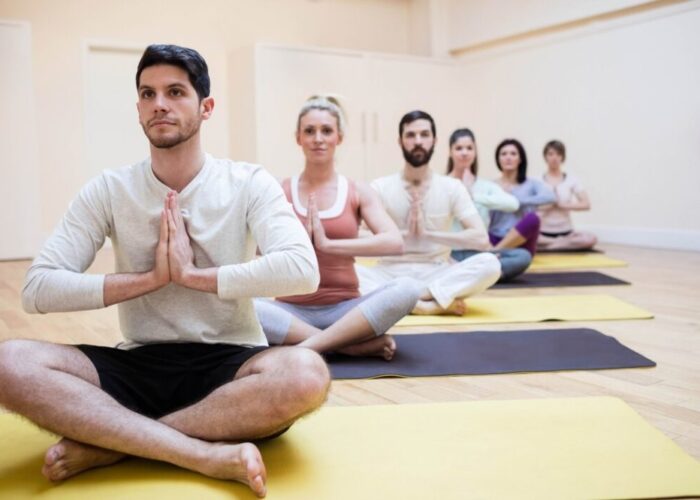
As the day unfolds, your focus gently shifts away from physical practice and into academic yoga theory. Students in Yogin classes also learn yoga philosophy, anatomy and teaching methodology-type classes that help them not only thoroughly understand the principles behind yogic practice but are required to master and share this knowledge through leading group classes. Like any other kind of expert, students learn anatomy to understand how the body functions in different postures; philosophy classes aim to introduce them to traditional yogic texts and concepts. Many of the programs also feature calming or meditative activities in the evening, like restorative yoga, guided meditation or satsang meetings where teachers and students talk philosophy and share experiences. This careful, 3-prong order presents itself throughout the day to enable physical participation but also provide a vessel for cognitive and reflective growth in students so they can develop their own knowledge and confidence incrementally via personal practice or even teaching one day.
Who Should Consider Yoga Teacher Training in Rishikesh?
Rishikesh Yoga Teacher Training is tailored according to the diverse range of backgrounds and levels. This would be an average good podcast if you had enough practice, but are still wondering about how advanced Yoga is in your future, though this is more/ beginner who are thinking OMG!!! How can I get to the bottom of all the msg of yoga, based on the climate I am living in now?” Like a lot of training, these courses are meant to build step by step over time as students accumulate more information and confidence in the course. I know so many people who enrol in these types of programs as a means to deepen their own practice, not to teach right after. With instructions, they discover how to properly align their posture, breathing techniques (pranayama), meditation practices and the philosophy to which traditional yoga corresponds. Such a structure allows beginning yoga practitioners to take their practice deeper, beyond a surface-level understanding of what they are doing in class, and also fosters an understanding of how each limb aligns with physical and mental health.
On the other hand, Rishikesh yoga teacher training programs attract those aspirants who have been doing yoga for years and want to enhance their knowledge with skill development. These students are often curious about delving deeper into yoga philosophy, anatomy and meditation techniques, as well as teaching methodology. They explore their self-discipline while learning to direct students through a mindful and effective practice of yoga in the training environment. For the ones who want yoga to be their professional career, teacher training in Rishikesh can act as a stepping stone. The town is known for its deep yogic knowledge and authentic pedagogy around the world. With many Yoga schools in the region offering thousands of international standard certification programs for teaching, thousands of its graduates take up yoga teaching spots in studios globally, as well as wellness centres and retreats.
How Yoga Teacher Training Can Transform Your Personal Practice
Shift from casual practice to daily discipline:
Most of the Yoga Teacher Training students will view practising yoga in a different light, from power-practice to continuous yogic practice every day. Instead of practising in their own time whenever they may have a chance, students follow a daily or weekly plan which helps them maintain their yoga habit. This practice helps to hone focus and develop a stronger commitment. Slowly and steadily over time, practitioners start viewing yoga as something more than just an exercise regimen; it starts becoming a way of life/yogic sadhana.
Improved understanding of physical practice:
Trained students do as many asanas in a day. These daily rituals cultivate mobility, strength, alignment, and proprioception (body awareness). With a veteran instructor looking on, they are taught how various poses can impact muscles and joints – and breath patterns. Consequently, practitioners begin to familiarise themselves with the ideals of movement and alignment. This awareness also strengthens their practice in yoga classes and makes them less prone to injury, too.
Development of mental focus and emotional balance:
Meditation and pranayama (breathing techniques) – Meditation and breathing are a mainstay of Yoga Teacher Training Programs. What it does: This routine helps students to develop attention, patience, and mindfulness by practising these skills as they use these techniques for a second time. Breathing exercises and meditation also help a lot for emotional stability as they balance the nervous system and minimise mental distractions. It provides students with tangible tools that can increase their resilience in the presence of stressors and help them to overcome these challenges; such practices can foster clarity and balance within their daily lives.
A deeper perspective on yoga philosophy and lifestyle:
Teacher training is not only about the philosophy of yoga, but also provides an understanding of ethical principles, traditional teachings, and the broader context behind practice. In this way, those who practice learn to see yoga as more than just the movement of the body. It is what is known as a journey of self-discovery, trial and error, and personal growth. 3 third additions lead students to progress mindfulness in their daily lives, as well as encourage us that building good habits and an internalised thinking narrative promotes long-term sustainability & balance of self.

What Modern Wellness Research Says About Yoga Education
Over the past few years, contemporary science has been discovering health benefits linked to yoga and meditative breathing. These techniques were borrowed from ancient teachings – but now many researchers and wellness institutions are examining their benefits with modern science. As an area of interest in holistic health and preventive wellness expands, so has the number of clinical and behavioural studies on yoga. Now, your physique is something of special interest to researchers, as they want to know how chronic yoga practice has an influence on a person’s physical health, and by extension, their psyche, such as stress response and its quality of life impact.
Many public health organisations have studied the use of yoga for stress management and general well-being. Based on some studies cited at the National Centre for Complementary and Integrative Health (NCCIH), yoga may help reduce stress, create better sleep patterns and aid in maintaining emotional balance. New research has suggested that techniques commonly used in yoga – such as mindful breathing, gentle physical movement and meditation – are beneficial for the body’s relaxation response. These practices may release tension, relax the nervous system and help a person cope with stressors in a day-to-day balance between mind and body.
Lingering questions remain, however – other research by organisations like Harvard Medical School has explored the potential of yoga as a way to promote flexibility, cultivate mindfulness and help people cope with anxiety symptoms. These studies often drew a connection between the nervous system and physical movement, breath control. Researchers are still investigating how much combining ancient means via research with contemporary ones can help facilitate longevity. In yoga teacher training programs, practical instruction as well as traditional philosophy are staples, yet modern studies offer additional hererimidable reflection on shaping long experience to gain health and balance in contemporary life.

Challenges Students May Experience During Training
Intensity of the training schedule:
Yoga teacher trainings are typically intensive programs that combine physical practice, academic learning, and personal reflection; often all within a very brief time frame. Classes, or “lectures”, begin somewhat early at around 7:00 am based on the students’ standing in the institution and finish with evening practices. Early on, though – this is often the case for first-timers in fixed routines like these, but I think it was especially so here – it can feel a little weighty. It requires physical fortitude and mental discipline to maintain our energy and attention throughout the day. Gradually, most students settle into the cadence of an active day with a schedule they know will keep them focused on learning and developing individual talents.
Physical demands of daily yoga practice:
We have all the experience where at least one of our training stages is clearly physical and regular. Trainee yogis spend hours a day practising asana, pranayama and other yogic disciplines. Such activity can be hard at first for starters or those who do not participate long-term. (One of the outcomes of very early training sometimes includes muscle soreness, fatigue or difficulty maintaining posture alignment.) The good news, for the most part, is that most experienced teachers stress safe practice and proper alignment and progression over time in their students’ development, gradually building strength and flexibility.
Emotional and mental self-reflection:
Yoga teacher training isn’t just about movement – there’s also a heavy emphasis on deeper self-awareness within the scope of meditation, philosophy and mindfulness practices. In this module, students are going to investigate these aspects of yoga and their own patterns of thinking, feeling, and behaving. Actualising yourself in this way can be a little difficult at times; it forces you to see yourself just a little more honestly. This process of internal examination is recognised by most practitioners as a vital component of personal and spiritual renewal.
Adapting to a new environment and culture:
For international students, training in India can include various changes in a new location and lifestyle. That means the food, climate, daily lifestyles and social customs may be an adjustment. Sometimes, being on a strict schedule (even very far from home) can bum you out. But most students do change, given the time, patience and an open mind, many of them discover that they cherish the unique cultural milieu and experiential learning environment that Rishikesh or similar centres can provide.

Tips for Choosing the Right Yoga School in Rishikesh
Rishikesh: It has a vast number of yoga schools present on the banks of the river Ganges, so if one is careful, the government and non-government organisations also regulate courses that are offered. Each school will have different program options, teaching styles, and classrooms; exploring programs will better equip a student to discover one that aligns with their individual goals and how they prefer to learn. Mention Your First Look If The School Itself Is Accredited (By a Body Like Yoga Alliance) Because Accreditation Sometimes Show That They Meet Some Standards To Be A Training Program Such As Minimum Standard Curriculum And Hours Of training. This will assure the students that the course of yoga meets internationally accepted standards in the broader level of the yoga world.
The other essential way is to assess the methods of instructors’ experience and background. Schools whose teachers have strong personal practice and reparative teaching experiences tend to be able to offer more holistic, insightful instruction. Browsing through the course syllabus can also help students get a sense of whether important topics – such as the philosophy behind yoga, anatomy, how to teach, and actual teaching experience – are covered as part of the program. Also, getting feedback from both current students and alumni can be very helpful because this will give you a big picture of the quality of your training as a whole – whether that includes the learning environment, accommodation options, teacher support, or daily timetables. All of these perspectives can guide students towards a more realistic experience frame going into a yoga teacher training program.
Frequently Asked Questions (FAQ)
Is yoga teacher training in Rishikesh suitable for beginners?
Yes. The majority of the Yoga TTC Rishikesh courses are suitable for beginners, just as all the students. The students are directed to move at their own pace while developing strength and flexibility, also understanding the fundamentals of yoga principles.
How long does a typical YTT program take?
200 Hour yoga teacher training in Rishikesh is typically offered as intense residential courses of 3-4 weeks duration.
Is Yoga Alliance certification necessary?
That is not a legal requirement to teach yoga. Yet most studios and wellness centres would rather see teachers complete programmes that have been registered with official bodies.
What should students pack for training?
Students typically arrive with comfortable yoga clothes, a reusable water bottle, personal toiletries, a notebook and any travel documents that may be required. Most would provide yoga mats and certified training materials.
Conclusion
Rishikesh, being an epitome of physical, mental and spiritual harmony, has gained a universal significance over the years due to its immortal combination of spiritual tradition, natural beauty and well-established learning centres. Also a topmost yoga destination in India, the town is located in the blissful banks of the sacred Ganges River, along with being near the high foothills of the Himalayas, which make it an ideal spot for yoga practice as well as peaceful contemplation. For centuries, Rishikesh was the capital of meditation, spiritual study and yogic discipline. Famous for its obligatory utility, this culture has forged itself in ripples of temperance and self-improvement; a legacy that draws yoga pilgrims wishing to be schooled within a wider rudimentary structure.
Rishikesh has evolved over the years as a worldwide yoga education destination for students from various nations. Many yoga schools, ashrams and training centres offer opportunities for students to learn from well-trained teachers while immersing themselves in a daily practice; Yoga Training in Rishikesh propels everyone to a level of yoga which is beyond asanas, with his/her fellow yogi teachers and peers through philosophy, meditation and systematic learning. Though people sign up for these programs to get certified, the experience is often much more profound. As students practice and study yoga more often, they become more aware of themselves and their body, learning how the words that are used to define physical health no longer apply as much, and this new choice in lifestyle can lead them on a lifelong self-improvement.