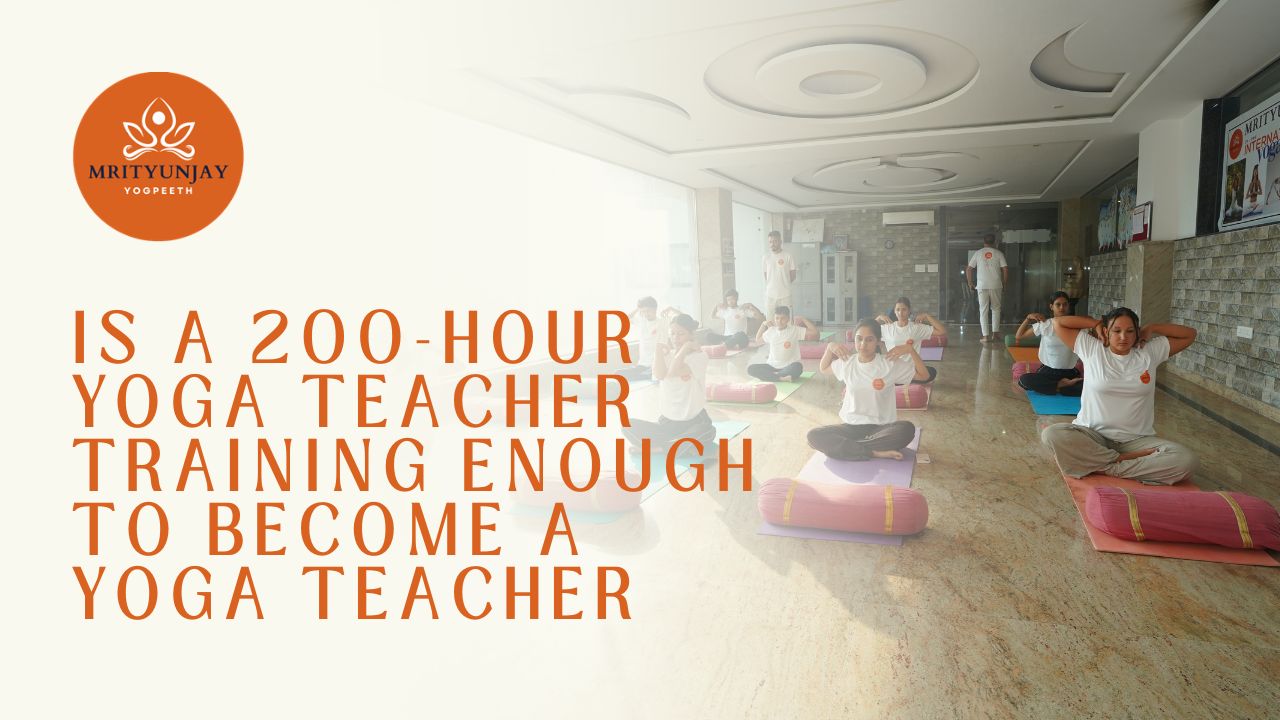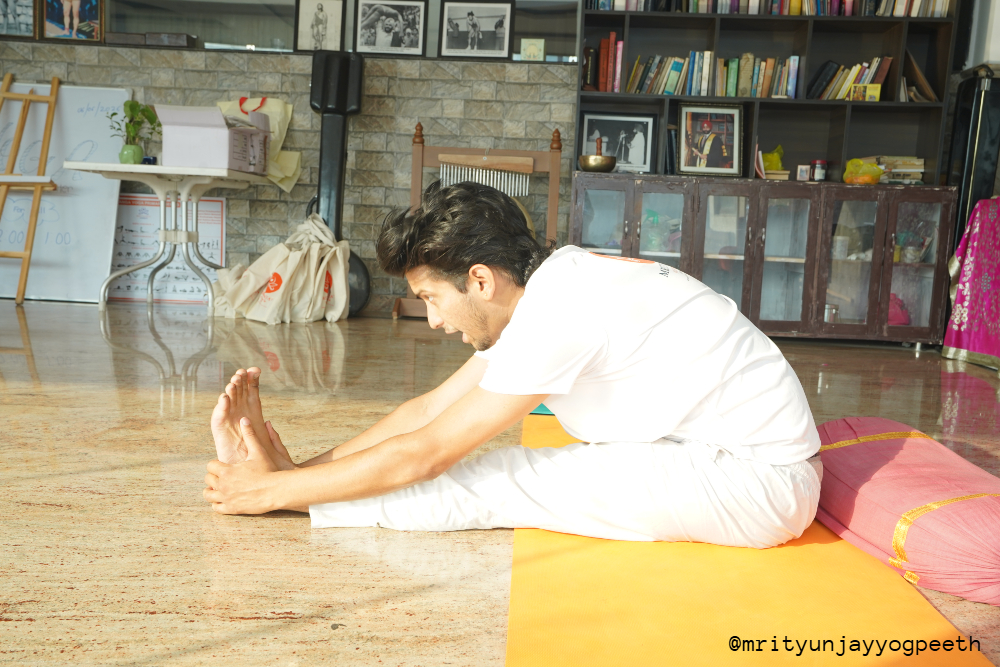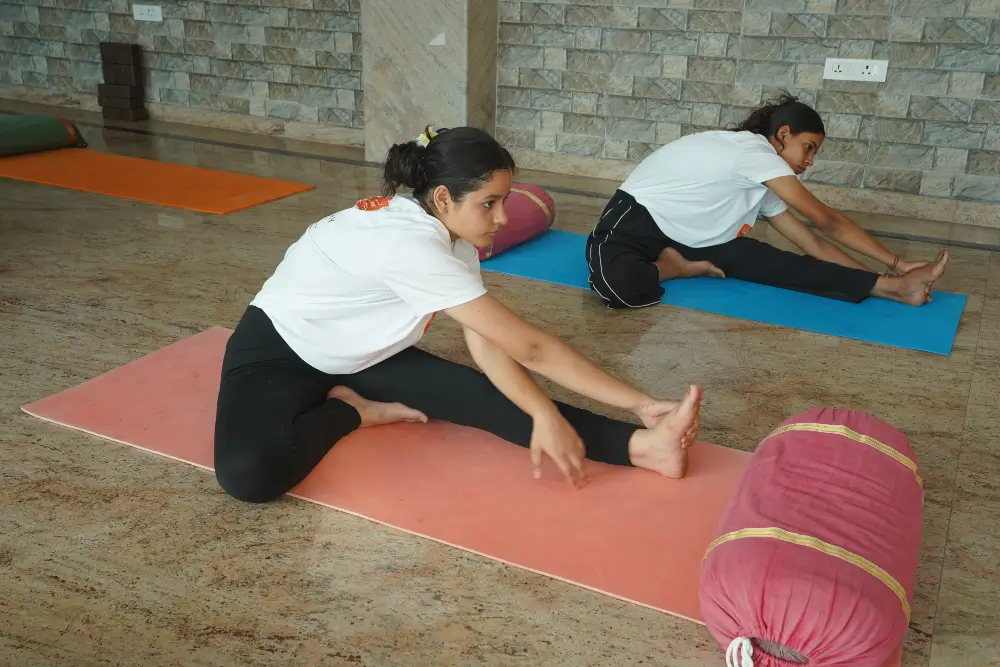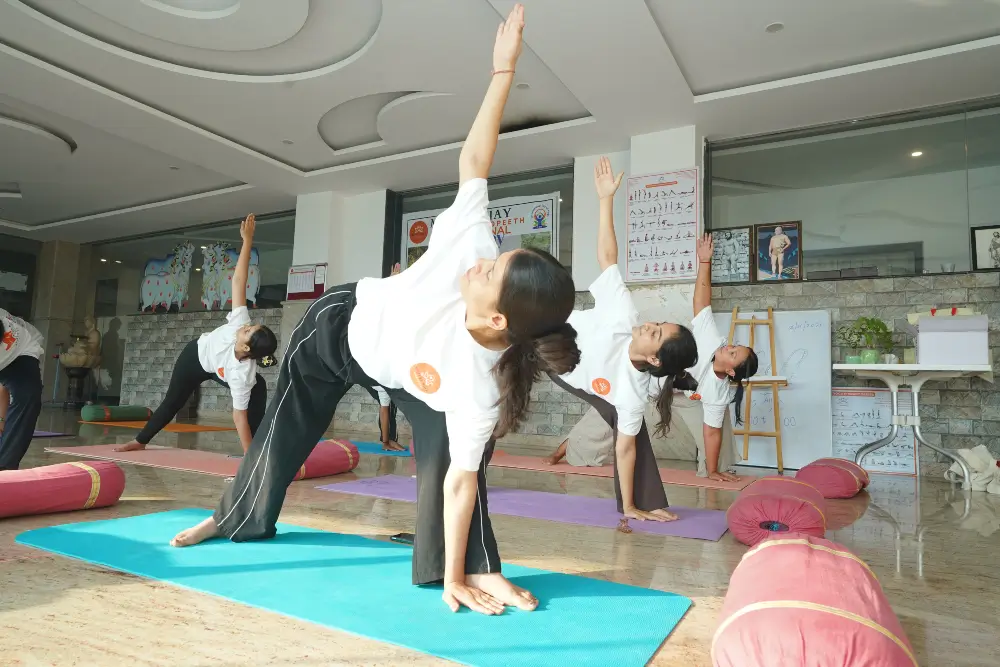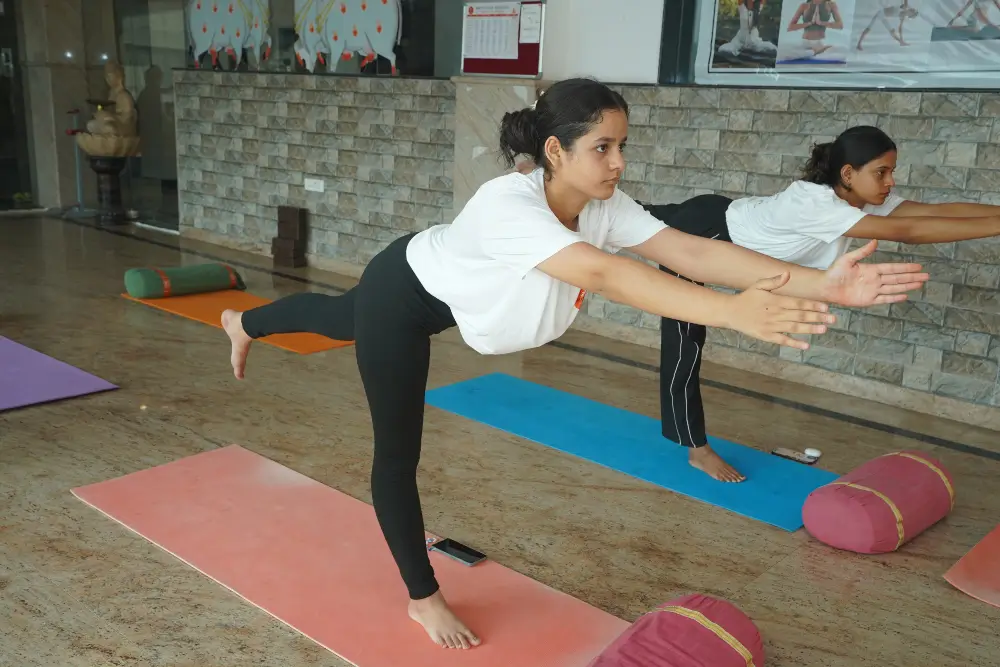
A yoga teacher training course does more than teach you how to perform postures or remember Sanskrit names. Its central purpose is to help you make the transition from experiencing a class as a student to planning, communicating, and managing a practice for other people.
That transition requires several kinds of learning at once. You study yoga practices and traditions, develop a more consistent personal practice, learn basic anatomy and physiology, practise sequencing, observe different bodies, communicate instructions, use consent responsibly, manage a room, and begin teaching under supervision. You also learn where the role of a yoga teacher ends.
A foundational course can prepare you to teach general yoga classes within the limits of your education and experience. It does not automatically qualify you to diagnose injuries, treat disease, provide psychotherapy, prescribe nutrition, teach every specialist population or call yourself a yoga therapist. A certificate marks the completion of a defined programme. Competence continues to develop through practice, mentorship, feedback and responsible continuing education.
This guide explains the skills a good yoga teacher training course should actually develop, how those skills are assessed, what usually remains difficult after graduation, and how to judge whether you are ready to teach.
TLDR
- Yoga teacher training teaches you how to turn your own practice knowledge into a safe, understandable learning experience for other people.
- Core skills include personal practice, yoga humanities, basic anatomy, observation, cueing, demonstration, sequencing, adaptation, class management, ethics, consent, and supervised teaching.
- Knowing a pose and teaching a pose are different skills. Teachers must observe responses, offer choices, and communicate an exit, not simply display the final shape.
- Anatomy education should help you make better movement decisions. It does not make you a doctor, physiotherapist, or injury specialist.
- Philosophy is not decorative course content. It can inform professional conduct, self-reflection, and the way a teacher handles power and responsibility.
- A good course teaches consent before physical assistance and does not assume that silence means permission.
- Practicum is essential. Confidence grows through planning, short teaching exercises, peer feedback, and progressively longer classes.
- Graduates should understand scope of practice and refer students to appropriate healthcare or mental-health professionals when necessary.
- A 200 hour course provides a foundation, not mastery. Prenatal yoga, children’s yoga, trauma-informed practice, rehabilitation, and yoga therapy require additional competence.
- Readiness is demonstrated through clear decisions, safe alternatives, honest communication and reliable class management, not through advanced postures.
What Changes When You Move From Student to Teacher?
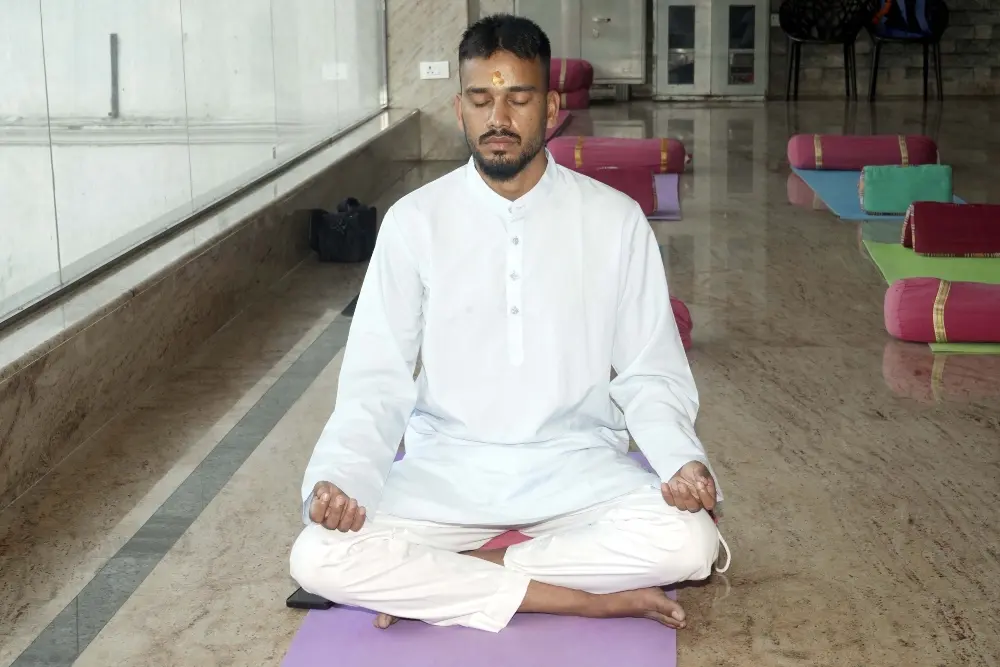
As a student, you are mainly responsible for your own experience. You listen, practise, rest, ask questions and decide what feels appropriate. As a teacher, your attention must widen. You still notice yourself, but you are also responsible for the clarity of the instructions, the organisation of the room, the options available, the pace of the class and your response when someone needs help.
The same posture therefore looks different from the teacher’s side. A student may think, “Where should I place my foot?” The teacher must consider whether the instruction was clear, whether the floor is stable, whether everyone can hear, what alternative suits a painful knee, whether a participant is holding their breath, and how the group will leave the posture safely.
Teacher training develops this wider field of attention. It asks you to move from copying a form to understanding purpose, from following a sequence to designing one, and from trusting a teacher’s authority to examining how authority should be used.
What Should a Yoga Teacher Training Course Teach?
Course structures vary by school, lineage, country, and credentialing system. Yoga Alliance standards, India’s Yoga Certification Board syllabi and independent school curricula use different terminology and hour allocations. However, a well-designed foundational programme normally covers the following areas.
Personal practice
- What trainees learn: Self-observation, consistency, breathing and appropriate choices
- What it does not automatically provide: Mastery of every posture or technique
Techniques and methods
- What trainees learn: How practices are performed, taught and adapted
- What it does not automatically provide: Permission to teach techniques not covered competently
Anatomy and physiology
- What trainees learn: Basic body systems, movement principles and risk awareness
- What it does not automatically provide: Medical diagnosis or rehabilitation expertise
Yoga humanities
- What trainees learn: History, philosophy, ethics and cultural context
- What it does not automatically provide: One universally correct interpretation of yoga
Teaching methodology
- What trainees learn: Cueing, demonstration, sequencing, observation and class planning
- What it does not automatically provide: Instant confidence in every population or setting
Professional ethics
- What trainees learn: Consent, boundaries, inclusion, honesty and scope
- What it does not automatically provide: Legal or clinical credentials outside yoga teaching
Practicum
- What trainees learn: Rehearsal, peer teaching, feedback and supervised classes
- What it does not automatically provide: The experience gained from teaching over time
The value of a programme depends not only on whether these headings appear in a syllabus, but on how deeply they are integrated. Anatomy that never changes a teaching decision is difficult to use. Philosophy that never affects professional behaviour remains abstract. Practicum without specific feedback becomes performance rather than education.
How Does Your Personal Practice Develop?
Teacher training usually asks for greater consistency and attention in personal practice. This does not mean performing the most difficult variations. It means learning how to observe breath, effort, sensation, attention, and recovery with enough honesty to make appropriate choices.
A developing teacher learns to ask:
- What is the intention of this practice?
- Which actions create the intended experience?
- What changes when the pace, breath, or support changes?
- Which sensations are ordinary effort and which require an exit?
- What assumptions am I making because this pose works for my body?
- Can I practise without turning discomfort into a test of commitment?
This inquiry matters because teachers often teach from their own experience. Personal practice provides useful information, but it is only one body and one history. Training should help you use that experience as a reference without making it a universal standard.
What Do You Learn About Asana?
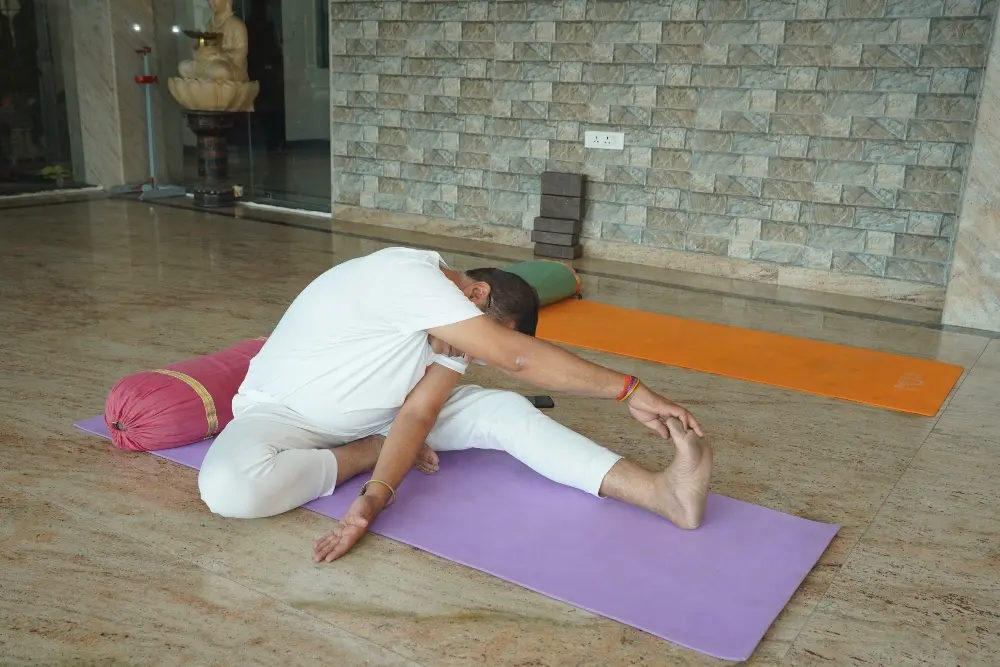
Asana study normally includes names, basic forms, actions, purposes, common difficulties, preparations, transitions, modifications, props and contraindications. The greater skill is learning to analyse a posture rather than memorise one fixed script.
For each pose, a trainee should be able to consider:
- the base of support;
- the main joints and body regions involved;
- balance and load demands;
- the role of breathing;
- a simple entry and a reliable exit;
- common compensations;
- useful preparation;
- lower-load and higher-load options;
- reasons to omit or modify the pose;
- the intended place of the pose within a sequence.
Good training also challenges the idea that every posture has one perfect appearance. Human bodies differ in proportions, mobility, strength, injury history, and daily condition. Alignment principles should support function, stability and ease rather than force all students into the teacher’s visual template.
Do You Learn Pranayama and Meditation?
Most teacher training introduces breathing practices, concentration, and meditation. Trainees may learn breath awareness, foundational pranayama, seated preparation, teaching language, and ways to establish a manageable duration.
The main teaching skill is dosage. A practice that feels calming to one person may feel uncomfortable or activating to another. Long breath retention, rapid breathing, strong pressure techniques, or intensive meditation should not be taught casually because they appear traditional or impressive.
A foundational trainee should learn to:
- explain a practice in plain language;
- establish a comfortable posture and normal breathing first;
- begin with a modest duration;
- avoid forcing inhalation, exhalation or retention;
- observe distress, dizziness or breathlessness;
- offer an eyes-open or movement-based alternative;
- end the practice gradually;
- distinguish general instruction from treatment claims.
Learning when not to intensify a technique is part of teaching competence.
Why Do You Study Yoga Philosophy and History?

Yoga philosophy helps trainees understand that yoga is broader than physical exercise. Programmes may introduce the Yoga Sutras, Bhagavad Gita, Hatha texts, concepts such as the yamas and niyamas, and the historical development of modern postural yoga.
The purpose is not simply to collect quotations. Philosophical study can support reflection on non-harming, truthfulness, discipline, self-study, attachment, and the responsibilities created by a teacher-student relationship.
Historical study also helps a teacher avoid presenting one modern method as the only ancient or authentic form of yoga. Traditions have changed, interacted, and been interpreted in different communities. Responsible education acknowledges Indian origins, names sources where possible, and avoids turning complex teachings into marketing slogans.
A trainee does not need to claim spiritual authority. They should be able to distinguish personal belief, lineage teaching, historical evidence, and modern scientific research.
What Anatomy Do Yoga Teachers Actually Learn?
Foundational anatomy normally covers major bones, joints, muscle groups, spinal regions, basic movement terminology, breathing, the nervous system, and selected physiological concepts. Some courses also discuss common injuries, ageing, pregnancy, or stress responses.
The most valuable outcome is not memorising every muscle. It is learning to connect anatomy with decisions. For example:
- A joint has an individual available range, so a teacher should not force a visual shape.
- Pain that radiates, tingles, or causes weakness needs a different response from ordinary muscular effort.
- Fatigue can change coordination and make a previously manageable pose unsafe.
- Breath holding may indicate excessive effort, fear, or an unsuitable instruction.
- A prop should change load, range, balance or feedback for a clear reason.
- No single alignment cue is correct for every person.
Anatomy modules should also establish limits. Yoga teachers do not diagnose damaged tissue from observation, interpret medical images, prescribe treatment, or promise to correct a disease unless they hold separate professional qualifications that legally and ethically permit that work.
How Do You Learn to Observe Students?
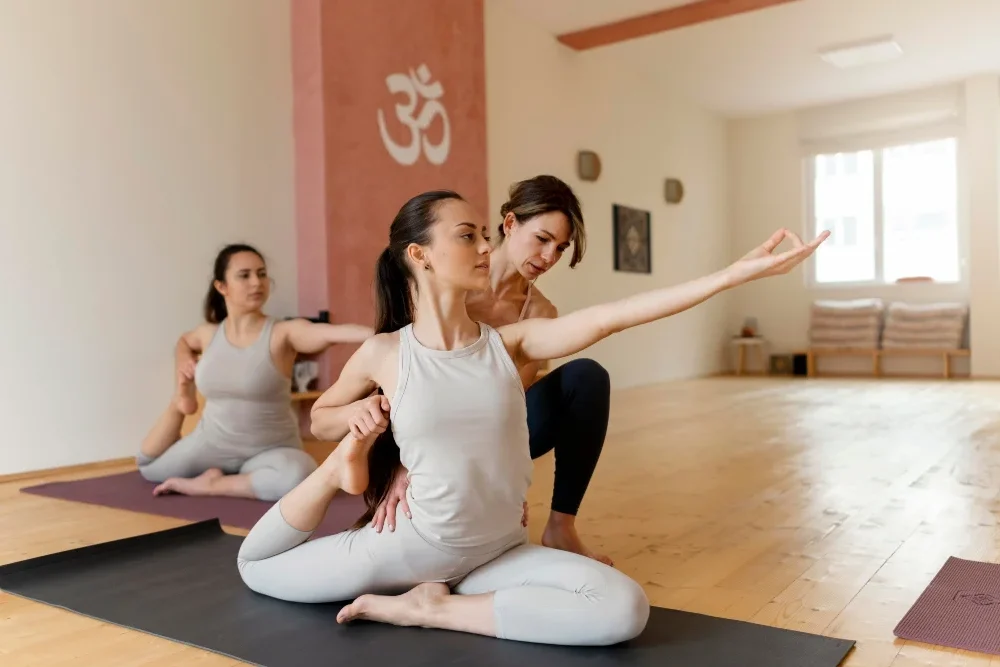
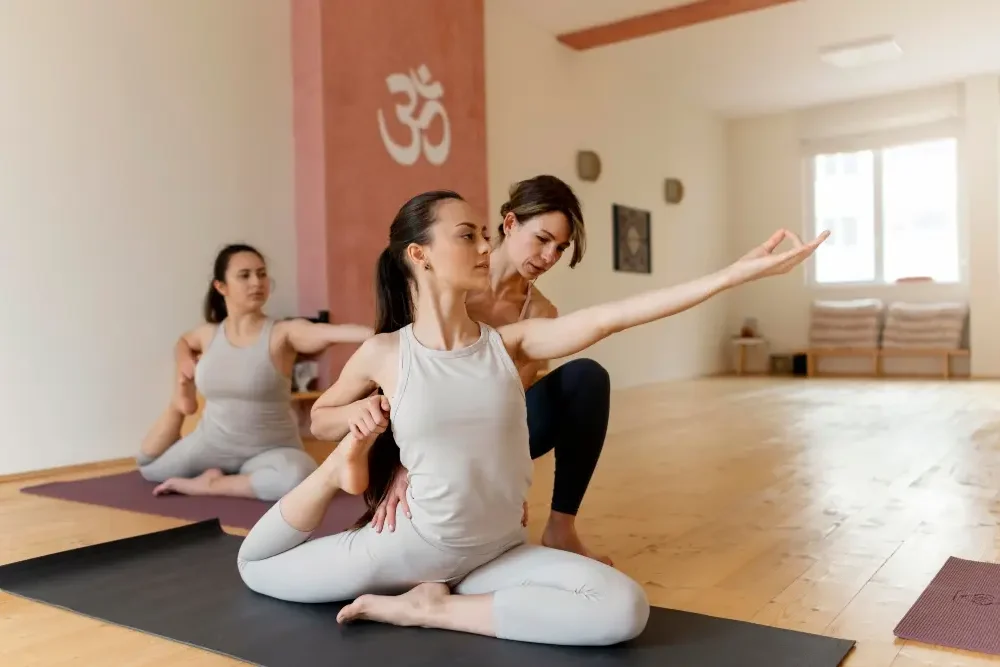
Observation is one of the biggest shifts from student to teacher. A new teacher may initially focus so hard on remembering the sequence that they barely see the room. Training teaches you to scan without staring, notice patterns without diagnosing, and respond without embarrassing the individual.
Useful observations include:
- whether participants can hear and follow the instruction;
- whether the base appears stable;
- whether someone is holding their breath;
- whether effort is increasing beyond the purpose of the pose;
- whether a participant appears confused, distressed or dizzy;
- whether the room arrangement creates a collision or fall risk;
- whether the chosen option allows a controlled exit;
- whether your own language caused the difficulty.
Observation should lead to proportionate action. Sometimes one clearer cue helps the whole group. Sometimes you offer an option. Sometimes you stop a practice. A visual difference alone does not require correction.
How Do You Learn to Give Clear Yoga Cues?
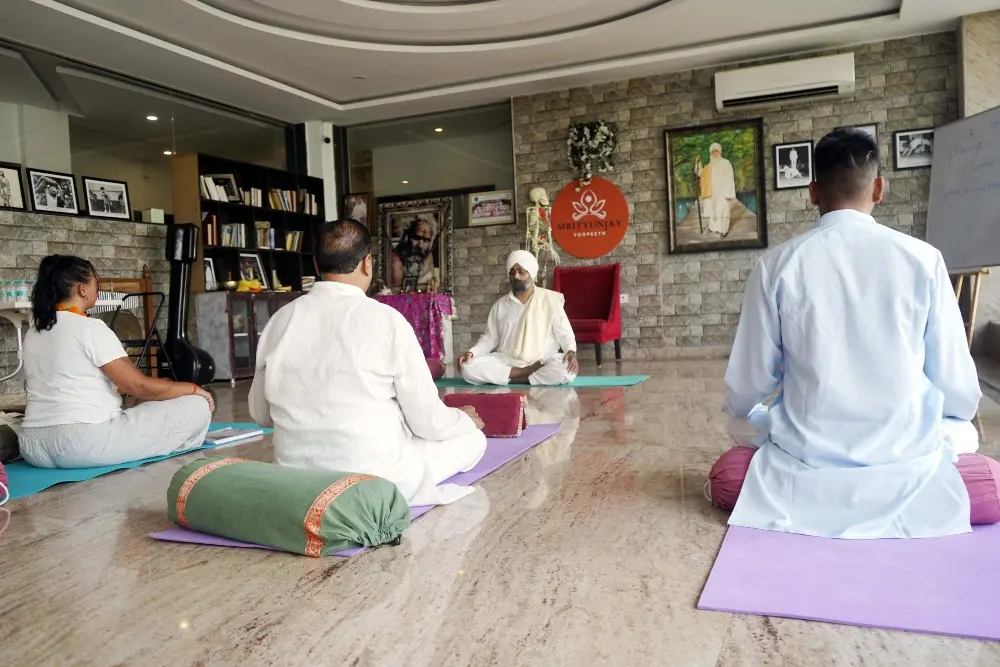
Cueing combines timing, language, observation, and restraint. New trainees often say too much because they want to share everything they know. Effective cueing gives the information needed for the next safe action and leaves enough silence for students to experience it.
A practical cueing sequence may include:
- Name the orientation or starting position.
- Describe the essential action.
- Coordinate breath only when it helps.
- Give one useful attention point.
- Offer an option or exit.
- Pause and observe.
For example, “Stand with your feet at a comfortable distance. Bend the front knee toward the middle toes. Keep enough space that you can breathe steadily. Shorten the stance or come out if the knee feels pressured.” This is usually more usable than a long speech containing several anatomical terms.
Training should help you replace vague commands such as “engage everything” or “fix your alignment” with specific, non-judgmental language. It should also reduce absolute claims such as “this pose is safe for everyone” or “your hips must be square.”
What Is the Role of Demonstration?
Demonstration can show orientation, timing, or prop setup, but it is only one teaching tool. If the teacher demonstrates constantly, they may stop observing the class. Students may also assume that the teacher’s proportions and range define the correct result.
Teacher training helps you decide:
- whether a demonstration is necessary;
- which angle allows the group to see the relevant action;
- whether to show the basic option before a complex version;
- when to stop moving and observe;
- how to teach a pose you cannot or should not demonstrate that day;
- how to use another qualified demonstrator with consent.
A teacher does not need to perform an advanced posture to prove authority. Clear analysis, responsible options and attentive observation are stronger evidence of teaching competence.
How Do You Learn to Sequence a Yoga Class?

Sequencing is the process of arranging practices to support a clear purpose, appropriate progression, and a coherent ending. It is more than collecting favourite poses.
A trainee learns to consider:
- who the class is for;
- the length and setting;
- the stated level and likely experience range;
- a realistic class intention;
- the physical and attentional demands of the peak material;
- preparation without unnecessary fatigue;
- transitions and changes of orientation;
- options for common needs;
- time for recovery, relaxation and closure.
A simple sequence may move from arrival and breath awareness to progressive movement, a central theme, reduced intensity, and rest. The exact arc varies by style. The test is whether each element has a reason and whether participants can enter and leave it safely.
What Is a Peak Pose Sequence?
A peak pose sequence prepares selected actions and skills for a more demanding posture. It can be a useful planning method, but the final pose should not become compulsory. The sequence must still be worthwhile for someone who chooses an earlier option.
What Is a Theme-Based Sequence?
A theme-based sequence organises a class around an idea, principle, movement quality or philosophical question. The theme should support the practice rather than become a lecture or an unsupported promise.
How Do You Adapt a Sequence in Real Time?
The written plan is a guide, not a contract. A teacher may need to simplify because the room is hot, the class is less experienced than expected, equipment is missing, or participants show fatigue. Adaptation is a sign of attention, not failure to follow the plan.
What Do You Learn About Modifications and Props?
Modification means changing the task to match the student’s needs and the purpose of practice. It may involve reducing range, changing orientation, adding support, decreasing duration, slowing the pace, or choosing a different pose.
Props can:
- bring the floor closer;
- improve stability;
- reduce or redistribute load;
- provide sensory feedback;
- support rest;
- make a position more accessible.
They can also be badly chosen, unstable, or complicated. A block does not automatically make a pose safe. Training should teach the purpose of each prop, its placement, the surface beneath it, and the student’s exit.
Avoid describing modifications as inferior. “Choose the version that lets you breathe and stay steady” supports agency better than “take the beginner option if you cannot do the full pose.”
How Do You Learn to Teach Different Bodies?
Foundational training should make clear that a mixed-level group contains differences in age, mobility, strength, disability, body size, pregnancy status, injury history, confidence, language, and previous yoga experience.
You cannot become a specialist in every population during one general course. You can learn inclusive foundations:
- ask useful questions without demanding private medical details;
- avoid assuming ability from appearance;
- give more than one valid way to participate;
- use accessible, non-shaming language;
- make rest available without requiring permission;
- keep pathways clear for mobility devices or seating;
- recognise when the class format cannot meet a person’s needs;
- refer to a suitably qualified teacher or clinician when appropriate.
Specialist teaching, including prenatal, postnatal, children’s, trauma-informed, adaptive or condition-specific yoga, requires additional education, mentorship and sometimes legal or organisational requirements.
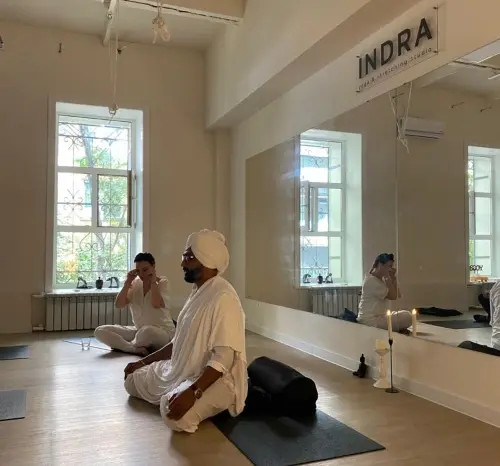
What Do You Learn About Safety and Contraindications?
A yoga teacher training course should teach risk awareness without creating a false list of universally safe and unsafe poses. Contraindications depend on the person, condition, practice, intensity, and context.
Foundational safety skills include:
- collecting relevant information through an appropriate intake process;
- describing the class accurately;
- preparing the room and equipment;
- teaching a clear exit;
- distinguishing ordinary effort from warning symptoms;
- avoiding pressure to continue;
- knowing the emergency procedure;
- documenting significant incidents;
- referring beyond scope.
Sharp or escalating pain, tingling, numbness, weakness, severe headache, fainting, confusion, visual disturbance, chest pain, or unusual breathlessness require an immediate, appropriate response. A teacher should not tell a student to breathe through potentially serious symptoms.
How Do Ethics Change the Way You Teach?
Teaching creates a power difference. Students may follow instructions because they trust the teacher, want approval, or fear disrupting the class. Ethical education helps trainees use that influence responsibly.
Important areas include:
- truthful representation of training and experience;
- respect for student autonomy;
- explicit and informed consent for touch;
- appropriate professional boundaries;
- privacy and responsible handling of personal information;
- inclusion and non-discrimination;
- honest marketing without guaranteed health outcomes;
- respect for intellectual property and teaching sources;
- financial and cancellation transparency;
- a process for complaints and safeguarding concerns.
Ethics is not one theory lecture. It should affect how trainees practise adjustments, write a class description, respond to disclosure, and receive feedback.
What Does Consent-Based Teaching Mean?
Consent is specific, informed, voluntary and ongoing. A student who accepted an adjustment last week has not given permanent permission. Silence, freezing, or lack of resistance is not clear consent.
Before physical contact, a teacher should explain:
- that touch is optional;
- where contact may occur;
- what the intended action is;
- how the student can decline or withdraw permission;
- what non-touch option is available.
Consent also applies to photography, recording, personal stories and public testimonials. Teacher training should let students practise asking, receiving a refusal without defensiveness, and teaching effectively without touch.
What Is Scope of Practice?
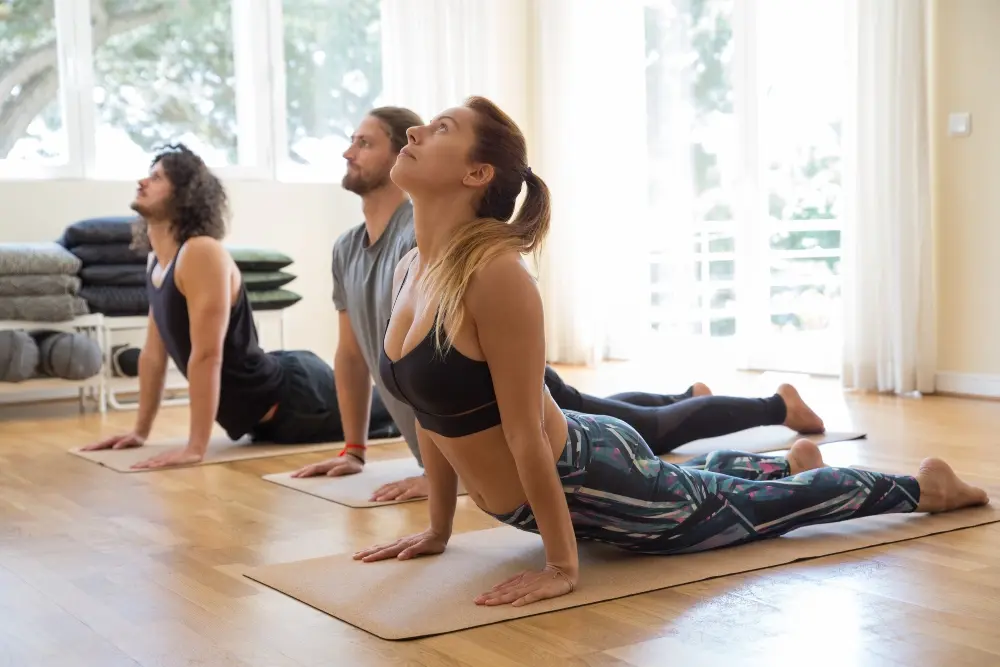
Scope of practice is the boundary of what a teacher is educated, competent, and authorised to offer. It protects students from unqualified advice and protects teachers from roles they are not prepared to perform.
A foundational yoga teacher may generally teach yoga practices within their training, observe responses, offer appropriate choices and encourage professional support. They should not diagnose a condition, prescribe medication or supplements, interpret medical tests, provide psychotherapy, claim to cure disease, or present ordinary yoga teaching as clinical treatment.
If a student asks, “Which pose will heal my slipped disc?” a responsible teacher does not diagnose the spine or prescribe a cure. They can explain the limits of the class, offer a gentle option if appropriate, and recommend assessment by a qualified healthcare professional.
Yoga therapy is a distinct professional field with substantially deeper training and competency expectations. A short module in therapeutic applications does not make a graduate a yoga therapist.
How Do You Learn Class Management?
Teaching requires practical organisation as well as subject knowledge. Trainees should practise:
- welcoming participants and explaining the class level;
- checking the room, temperature, surfaces and equipment;
- positioning themselves so participants can see and hear;
- starting and finishing on time;
- managing late arrivals without disrupting safety;
- remembering the plan while observing the room;
- responding to questions without losing the class;
- handling mixed experience levels;
- maintaining a clear emergency route;
- closing the session without rushing relaxation.
Online teaching adds camera angles, sound, lighting, limited observation, and emergency-location considerations. A teacher must be honest about what they cannot see through a screen.
What Business Skills Do You Learn?
Some courses introduce professional basics such as class descriptions, pricing, scheduling, insurance, waivers, record-keeping, tax responsibilities, contracts, marketing, and studio auditions. Requirements vary by country and workplace.
The most useful lesson is that a certificate does not replace due diligence. Before teaching, check:
- whether your location or employer has qualification requirements;
- whether professional and public-liability insurance is expected;
- whether first-aid or safeguarding training is required;
- how participant information will be stored;
- what music, images and written materials you may legally use;
- how cancellations, refunds and complaints are handled;
- which claims you can responsibly make in advertising.
Business development should not encourage a new teacher to exaggerate experience. Trust grows from clarity and reliability.
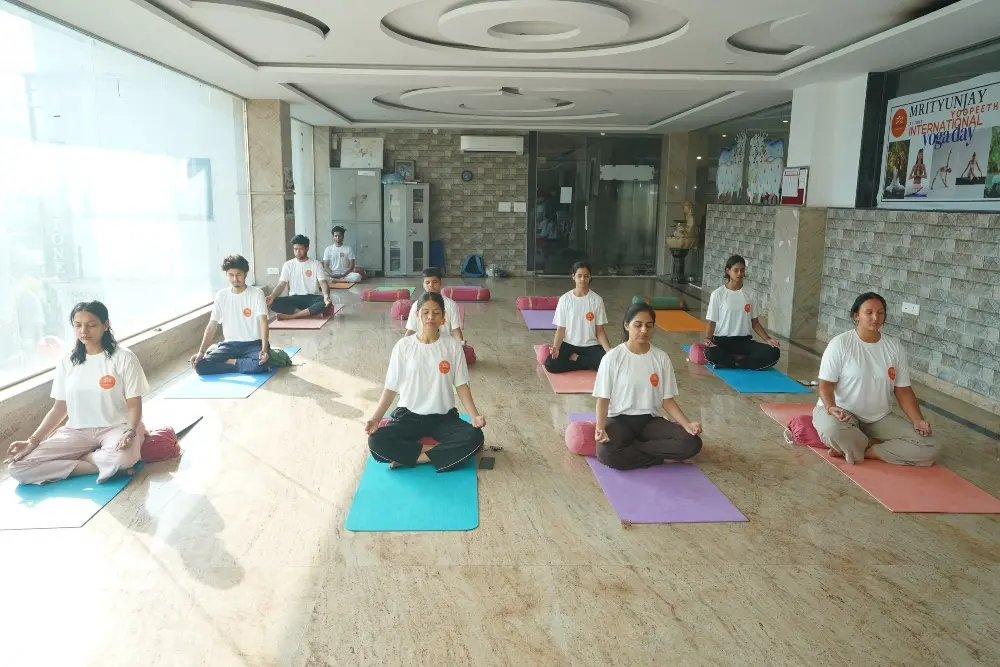
Why Is Practicum So Important?
Teaching cannot be learned only by listening. Practicum turns information into observable skill. A useful progression includes:
- teaching one action to a partner;
- guiding a short warm-up;
- demonstrating and then observing;
- teaching with a planned modification;
- responding to a realistic scenario;
- leading a short sequence;
- teaching a complete class under supervision;
- reflecting on feedback and teaching again.
Feedback should be specific. “Good class” gives little direction. Useful feedback identifies what happened, its effect and the next adjustment: “You gave four instructions during the balance transition, and several students stopped moving. Next time, give the foot placement first, pause, and add the arm option after the base is stable.”
Practicum also teaches recovery. Every teacher forgets a side, loses a word or changes a plan. Professional skill includes noticing, correcting calmly, and continuing without blaming the class.
How Are Teaching Skills Assessed?
A fair assessment looks beyond memorisation and physical performance.
- Knowledge: Explains practices, basic anatomy, history, and evidence limits accurately
- Planning: Designs a coherent class for a defined audience and duration
- Communication: Gives concise instructions with suitable pacing and volume
- Observation: Notices confusion, strain, and environmental risk
- Adaptation: Offers meaningful choices without shame or pressure
- Ethics: Uses consent, maintains boundaries and represents competence honestly
- Safety: Teaches exits, recognises warning signs and follows an incident process
- Reflection: Receives feedback and identifies concrete improvements
A trainee may be excellent in philosophy and still need cueing practice. Another may teach movement clearly but need stronger boundaries or historical understanding. Assessment should identify development needs rather than reduce teaching to one final performance.
What Does a 200 Hour Course Not Teach You?
A 200 hour programme has limited time. Even a strong course cannot provide deep experience in every style, population and professional situation.
Graduates are not automatically prepared to:
- teach prenatal or postnatal yoga;
- lead children’s classes or work within school safeguarding systems;
- support complex trauma or mental-health conditions;
- design rehabilitation for injury or surgery;
- treat chronic disease;
- teach advanced pranayama or intensive meditation safely;
- provide nutrition or Ayurvedic medical advice;
- train other yoga teachers;
- teach every advanced asana;
- run a retreat or residential programme without further operational skills.
This is not a failure of the foundational course. It is the reason responsible teachers continue learning and refer when a student’s needs exceed their competence.
What Skills Usually Remain Difficult After Graduation?
New teachers often understand more than they can deliver smoothly. Common challenges include:
- watching the room while remembering the sequence;
- allowing silence instead of filling every moment;
- adapting without losing the class intention;
- handling a confident student who challenges an instruction;
- responding to medical questions within scope;
- timing the final part of class;
- teaching mixed levels without creating a hierarchy;
- using philosophy naturally rather than performing wisdom;
- setting prices and professional boundaries;
- trusting a simple class.
These skills improve through deliberate repetition, mentoring, and honest reflection. Feeling nervous does not necessarily mean you are unprepared. Ignoring risks, refusing feedback, or teaching beyond your competence is more concerning than ordinary beginner uncertainty.
How Do You Know Whether You Are Ready to Teach?
Readiness does not mean knowing every answer. A beginning teacher is ready for an appropriately scoped class when they can reliably:
- describe who the class is for;
- create a simple, coherent plan;
- teach the basic material clearly;
- observe rather than demonstrate continuously;
- offer at least one meaningful alternative;
- recognise warning signs and stop appropriately;
- ask consent before touch;
- say “I do not know” and refer when needed;
- manage time, space and equipment;
- receive feedback without becoming defensive;
- represent their training honestly.
Start with a setting that matches your current competence. A short beginner class with supervision may be more appropriate than a large mixed-level class, an advanced workshop or a specialist population.
A Practical 90-Day Transition From Student to Teacher
Days 1 to 30: Build consistency
- Teach two short sequences repeatedly rather than writing a new class every day.
- Record your voice and remove unclear or excessive cues.
- Observe experienced teachers and note how they manage transitions, options, and silence.
- Review your scope, insurance, local requirements, and emergency plan.
- Ask a mentor to observe one practice class.
Days 31 to 60: Teach small, appropriate groups
- Lead one or two classes each week for a clearly defined audience.
- Use a short participant intake process.
- Track timing, questions, modifications, and any incidents.
- Practise teaching without demonstrating every pose.
- Request specific feedback from students and a qualified peer.
Days 61 to 90: Refine your teaching system
- Create reusable class-plan templates.
- Build a small library of alternatives for common movements.
- Review whether your marketing accurately describes the class.
- Identify one continuing-education priority based on actual teaching experience.
- Establish regular mentorship or peer review.
The goal is not to become a finished teacher in 90 days. It is to create a responsible cycle of planning, teaching, reflection, and improvement.
How Can You Choose a Course That Teaches Real Skills?
Ask the school for evidence beyond a list of topics.
- How many hours involve live, supervised teaching?
- How is feedback given, and how often can trainees teach again after feedback?
- Who teaches anatomy, philosophy, methodology and ethics?
- How does the school assess readiness?
- Are consent, boundaries, and scope taught explicitly?
- How are injuries, pregnancy, disability, and mixed-level classes addressed?
- What happens if a trainee cannot perform a required posture?
- Does the course distinguish yoga teaching from yoga therapy and healthcare?
- Are total fees, attendance rules, and certification requirements written clearly?
- Is mentorship available after graduation?
Be cautious if a programme guarantees mastery, employment, healing ability, or confidence after a fixed number of hours. A credible course explains both what it teaches and what it cannot provide.
Frequently Asked Questions
Do I need to be flexible before yoga teacher training?
No. Flexibility is not the main measure of teaching potential. Curiosity, consistent practice, communication, self-awareness, and willingness to learn matter more. A responsible course should accommodate ordinary physical differences.
Do I need to perform advanced yoga poses to become a teacher?
No. Advanced physical performance is not proof of safe teaching. You need to understand and teach practices within your competence, offer options and know when not to progress.
Does a 200-hour certificate make me a qualified yoga teacher?
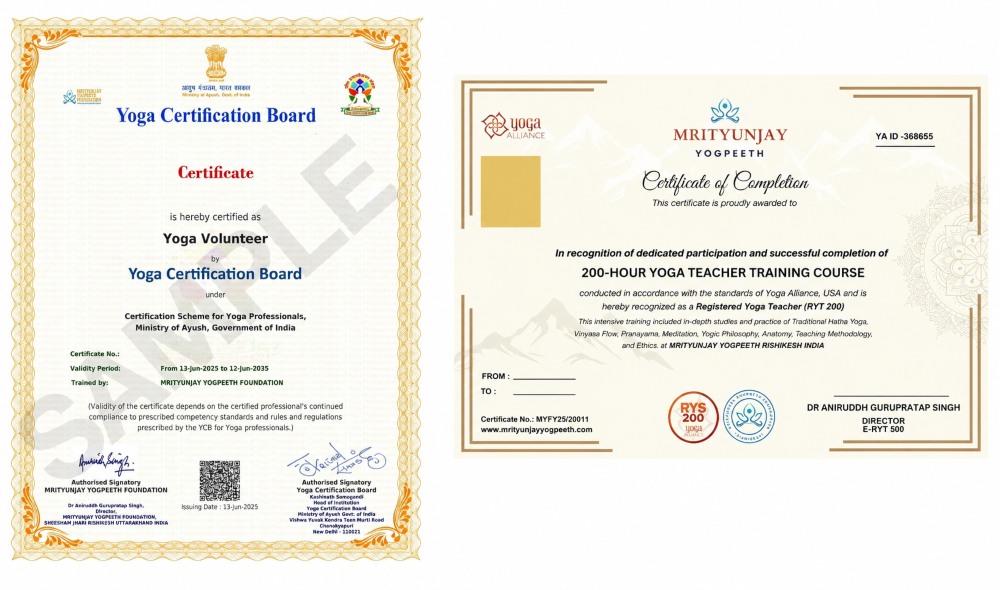
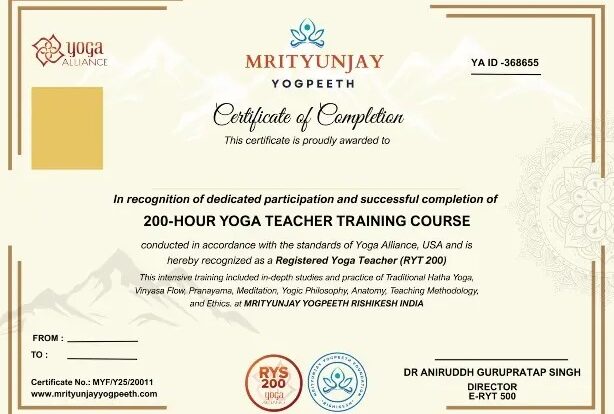
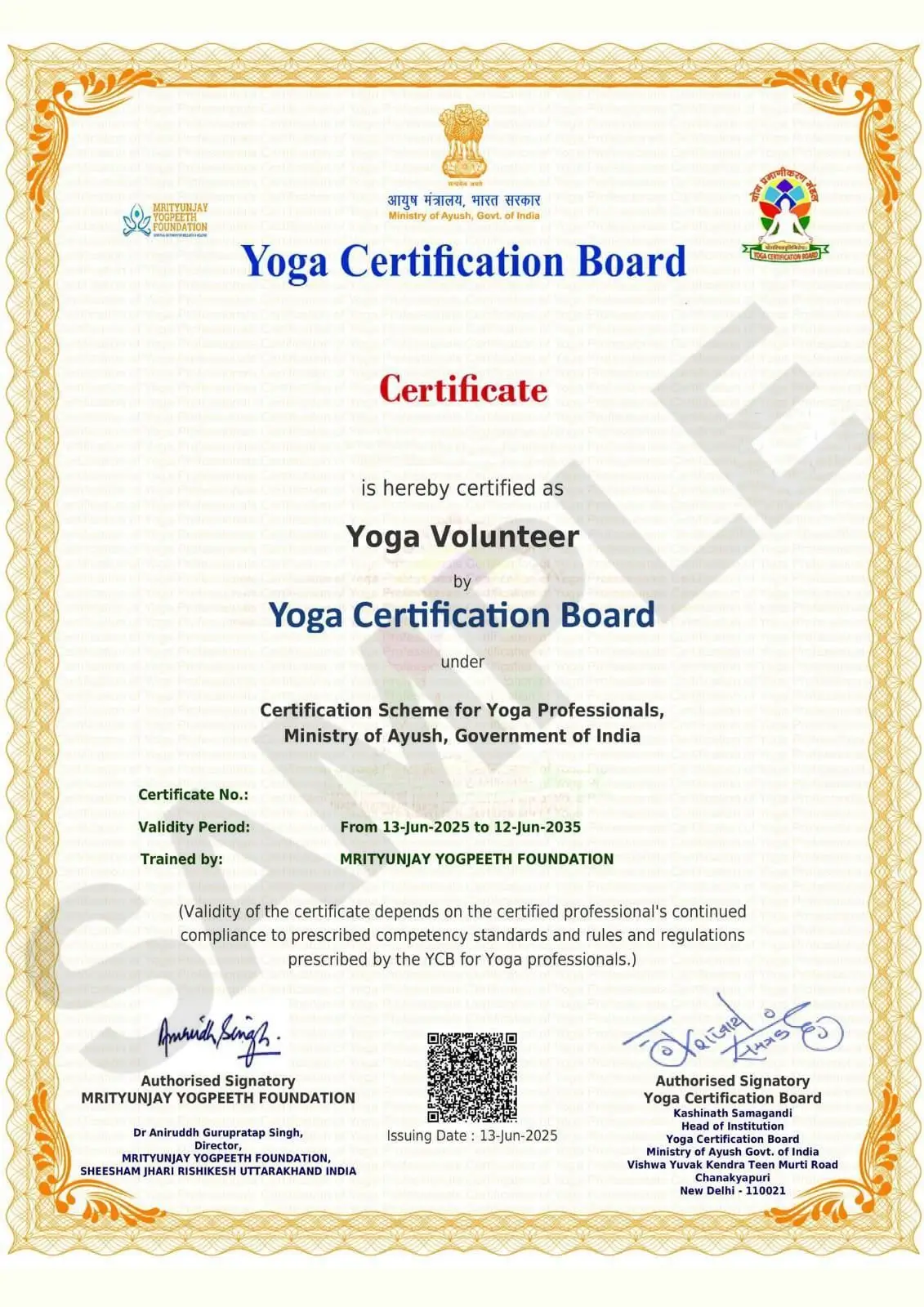
It shows that you completed the requirements of that programme. Whether a particular employer, insurer or jurisdiction accepts it depends on their rules. Practical readiness also depends on your demonstrated competence and ongoing development.
Will yoga teacher training teach me how to treat injuries?
Foundational training may teach basic anatomy, precautions, and adaptation. It does not qualify you to diagnose or rehabilitate injuries unless you hold separate relevant clinical credentials.
How much teaching practice should a course include?
Standards vary, but trainees need repeated opportunities to plan, teach, receive specific feedback, and teach again. Ask how much practicum is supervised and whether it progresses beyond peer demonstration.
Will I learn how to sequence a complete class?
A good course should teach class planning, preparation, progression, transitions, options, timing, and closure. You should graduate with several teachable plans and the ability to adapt them.
Will I learn Sanskrit pose names?
Many courses teach common Sanskrit terminology and pronunciation. Exact usage varies by lineage and language. Names are useful, but clear communication and respectful sourcing matter more than displaying vocabulary.
Can I teach prenatal yoga after a general teacher training?
Not automatically. Pregnancy involves specific physiological, safety, and professional considerations. Seek reputable prenatal education, mentorship, and any qualifications required by your workplace or insurer.
Can I call myself a yoga therapist after teacher training?
No. Yoga therapy is a distinct field with deeper competencies and supervised training. A general teacher-training certificate or short therapeutic module does not establish yoga-therapy competence.
Do yoga teachers need first-aid training?
Requirements vary by location and employer, but current first-aid and emergency-response skills are strongly advisable and may be required by studios, insurers, or organisations.
What if I still feel nervous after graduating?
Nervousness is common. Begin with a simple class and appropriate audience, use a written plan, seek mentorship and teach consistently. Confidence should grow from preparation and evidence, not from pretending to know everything.
Can I teach if I cannot demonstrate every pose?
Yes, provided you can teach the selected material safely and within your competence. Use clear verbal instruction, suitable visual resources or a consenting demonstrator, and keep observing the class.
How do I continue learning after teacher training?
Use mentorship, peer observation, personal practice, focused continuing education and reflective teaching notes. Choose further training in response to genuine gaps rather than collecting certificates without practice.
Conclusion
The most important change in yoga teacher training is not learning more poses. It is learning to take responsibility for how another person receives a practice. That responsibility requires clear communication, observation, thoughtful sequencing, anatomy-informed choices, consent, ethical boundaries, and the humility to work within scope.
A strong course should help you connect personal experience with teachable methods while showing why your own body is not the standard for everyone else. It should give you supervised opportunities to make decisions, receive feedback, and try again. It should also be honest that a foundational certificate is the beginning of professional development, not evidence of mastery.
You are ready to begin teaching when you can offer a simple, appropriate class reliably, respond to the people in front of you, recognise when to stop and seek help, and represent your experience truthfully. The transition from student to teacher continues each time you plan, teach, reflect and learn.
Your Next Step
Before teaching your first public class, prepare a one-page readiness file containing:
- the audience and level you are qualified to teach;
- one complete class plan with timings;
- two options for each demanding practice;
- your participant intake and consent process;
- warning signs and an emergency procedure;
- your scope-of-practice statement and referral contacts;
- proof of any required insurance or first-aid training;
- the name of a mentor or peer who can review your first classes.
Teach the plan to a small practice group, request specific feedback, and revise it. The goal is not a flawless performance. It is a class that is clear, appropriate, responsive, and safe.