
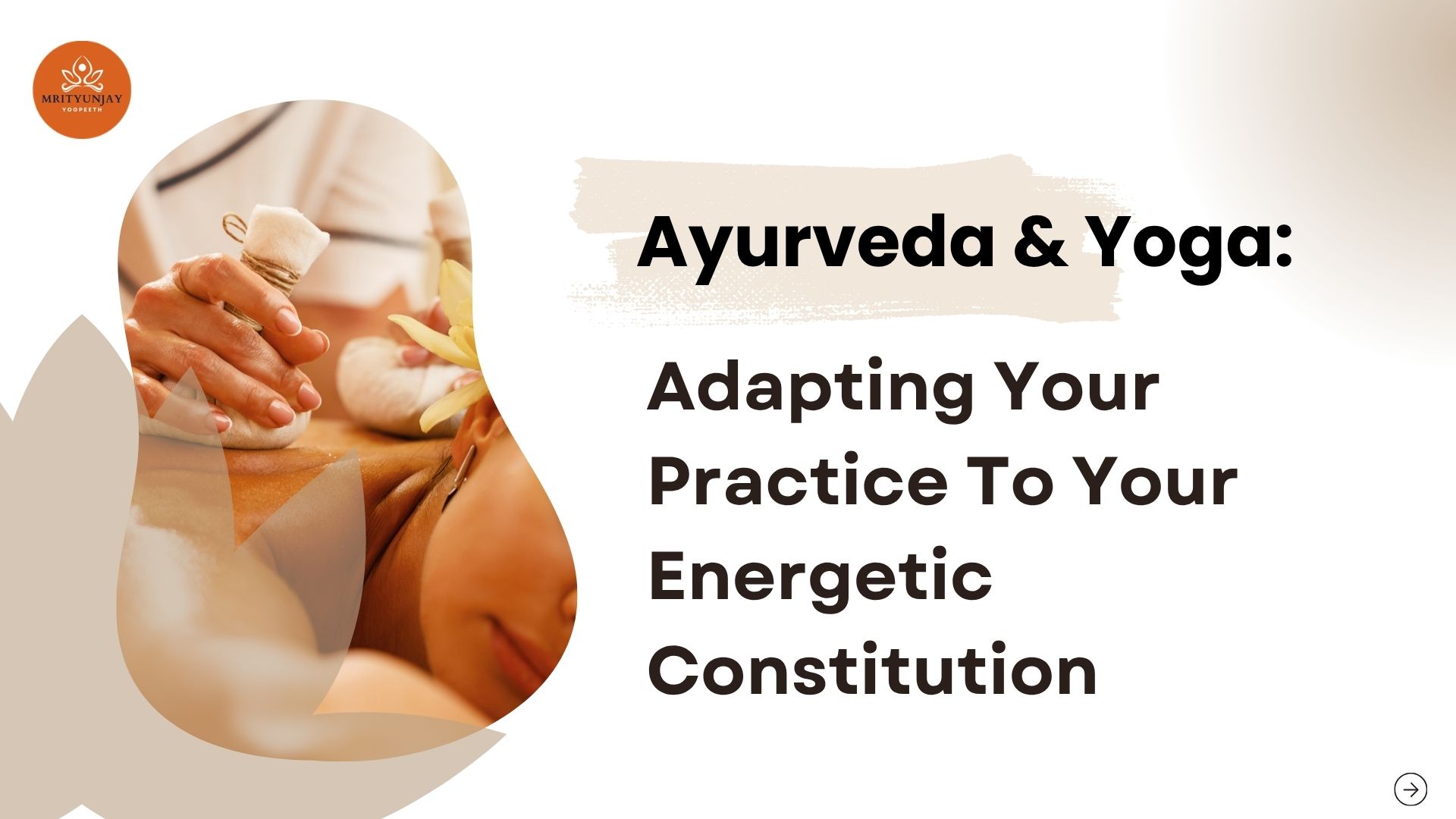
Ayurveda and Yoga are the sister sciences that have been practised for thousands of years in India; both holistically promote health and spiritual evolution. It’s both born of the same philosophy; both seek to integrate body, mind, and inner consciousness. By now, we know that yoga is postures (asana) combined with breath work and meditative practices, and its core principle revolves around not just the balance of body and mind, but also tells us the importance of clarity and self-understanding. Complementing yoga is Ayurveda, or the “science of life.” It explains how human bodies function with (rather than against) nature and its natural rhythms.
Yoga as it exists today, in the vocabulary of wellness culture, is also weighted by standardisation – we take largely interchangeable classes and sequences, we’re asked to mimic postures in concert or align our bodies to common standards. But according to Ayurvedic philosophy, every individual has their own constitution, or dosha. Our physical characteristics, emotional personality, organ function, processes, and energy levels for digestion are the result of a unique combination of natural elements (space + air or ether + wind, fire + water, and Earth) in their three doshas (Vata, Pitta, and Kapha). As each body holds a different combination of these doshas, not every individual responds to the same type of yoga in the same way.
This post is about giving our practitioners the knowledge and then taking it deeper, personalising their practice not only according to dosha but also towards their balanced state. Some Auras need grounding/calm for more energy, others a bit of cooler/movement to raise them. Ayurveda’s principles give practitioners insight and direction around how to literally energise, balance and heal their bodies on the before, between (if you’re lucky) or off the mat – while marrying into your wider health, presence and wholeness.

Understanding Ayurveda: The Science of Life
Ayurveda, or “the science of life,” is an ancient Indian holistic health system focused on balancing the body, mind and energy. It emphasises the wellness of persons via lifestyle, nutrition and daily habits that balance and eliminate disharmony.
1. The Meaning and Origins of Ayurveda
Ayurveda is one of the oldest healing arts known to mankind – it originated in India about 5,000 years ago. Ayurveda is the oldest healing wisdom that strives for principles of longevity and wellness in health management. The word Ayurveda is derived from two Sanskrit words – Ayu, meaning life & Veda, meaning knowledge or Wisdom. Ayurveda (a Sanskrit word) is the knowledge/science of life. This ancient system serves as a respectful reminder of the mind-body connection and how other aspects in our life – whether food, lifestyle, environment or mental state – are all fundamental pillars that function interdependently, which, when returned to alignment, can serve to guide us towards health and wellness. Modern definitions of health are based on the absence of disease, but Ayurveda bases its definition of health upon sustainability under samadhi when udaevi and sukshma sharira work with our surrounding area.
Ayurvedic medicine shuns our modern diseases (and many of our medical systems, actually) in favour of not getting sick in the first place, and sustaining that balance over the long haul. It’s an affirmative call to action for individuals to make daily choices that support physical wellness, mental health and emotional balance. Old Ayurvedic texts, such as Charaka Samhita and Sushruta Samhita, include methodology for diagnosing health illnesses, nutrition approaches, herb extracts/good practices and psychological wellness. In these classical teachings, each human being is unique, and so are the health prescriptions — they need to be individualised rather than homogenous across populations.
2. Balance and Imbalance in the Body
According to Ayurvedic philosophy, the human body is made up of the same five elemental principles as nature: earth, water, fire, air and space (ether). These are all the elemental building materials of any living structure manifesting during its physical and energetic activities. In Ayurvedic medicine, these five elements further combine to form three primary energies called dosha—Vata, Pitta and Kapha. The doshas have numerous roles in the physiology of the body and mind. Vata represents movement and communication, Pitta represents transformation and metabolism, and Kapha provides stability and structure. Every individual has different compositions of these energies that design their physical appearance, emotional behaviours and an overall state of health.
Ayurvedically, balance has to be maintained not just within the doshas but digestion above all supported, body tissues steadfast and mind tranquil yet sharp – a cocktail of perfect health. However, disturbing this balance with an unhealthy diet, stress or different patterns & the influences of the environment can cause the body to be out of balance. “But if they persist for too long, they can become unpleasant or unhealthy.” And this is what makes Ayurveda stress prevention and awareness at the root level. This imbalance is mirrored according to the subtle signs mentioned above and can be balanced back through supportive means. Ways of living, like a balanced diet, synchronising with daily rhythms of activity, along with herbal remedies and mindfulness-based practice.
3. Individual Constitution
An Introduction to the Unique Concept of the Individual’s Constitution ( Prakriti) in Ayurveda. An individual’s Constitution ( Prakriti) is one of the distinct concepts introduced by Ayurveda. This is the balance of doshas that a person inherits at birth.
While we have aspects of all three doshas, everyone has one or two that dominate. Understanding this constitution can guide us in determining what foods, activities, climates and lifestyle practices might be most supportive.
A different reason Ayurveda pairs so well with your yoga practice is the individualised perspective. Just understanding your energetic tendencies will help you formulate a practice that nourishes instead of displeasing the equilibrium of your energy.
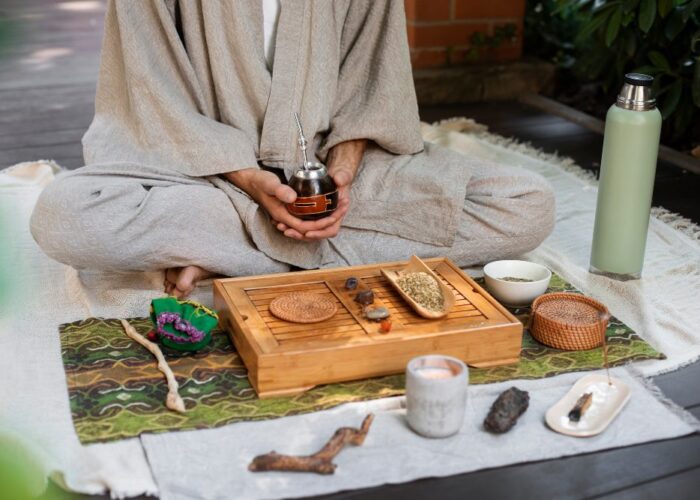
The Three Doshas: Vata, Pitta, and Kapha
According to Ayurveda, 3 fundamental energies govern all physiological and psychological processes – Vata, Pitta & Kapha. These doshas are permutations of the five natural elements, and determine how we move, think, digest food, and react emotionally to things that occur.
Each dosha has its very own nature and temperament, and if we learn a bit about the doshas, it starts to unravel understanding that while one factor makes for one person a supportive place, it may actually be overwhelming for another.
1. Vata Dosha
Elements: Air and Space
Lightest and most spontaneous of the three doshas, Vata represents qualities of air and space. It governs the movement of everything in our body – from respiration to blood circulation to nerve impulses to cognitive function.
Characteristics of Vata-Dominant Individuals
When balanced, a dominant Vata constitution signifies lightness, creativity and movement. Physically, they can be spindly and wild and seem like something entirely different from one hour to the next.
Arthritis: Honey also relieves arthritic and joint pain, likely because of the creative, fiery, inquisitive mind in Vata types. They are quick learners but may struggle with attention or consistency.
Here are some indicators you may have a Vata Dominion dominant nature:
- Quick thinking and creativity
- Sensitivity to cold environments
- Irregular appetite and digestion
- Variable sleep patterns
- Impatience or Anxiety in Unbalance
Common Vata Imbalances
When we have too much Vata, we see dry (skin) and unstable (anxiety), hyper-stimulated. It may be anxiety, insomnia, digestive problems, fatigue or mental burnout.
Vata is movement and change, the logic goes, so calming practices generally centre on stability, warmth, grounding and routine.
2. Pitta Dosha
Elements: Fire and Water
Pitta, the governing force that aligns with fire and water, transformation and metabolism. It regulates (among other things) digestion, body temperature, hormone levels, and thought patterns.
Characteristics of Pitta-Dominant Individuals
Pitta (Fire) types are more intense, focused and driven. Medium built except for tiny digestion and a hot body.
Psychologically, the pitta types are primarily focused, methodical and driven. Yes, they could have if they welcomed challenges and other abilities cultivated through bureaucratic means — discipline, productivity.
Common traits include:
- Strong concentration and analytical thinking
- Competitive or ambitious personality
- Efficient metabolism and appetite
- Warm body temperature
- Direct communication style
Common Pitta Imbalances
When the Pitta is aggravated, we experience more irritability, inflammation, impatience and burnout.
Signs of High Pitta Imbalance: High pitta type may experience:
- Excessive heat in the body
- Skin irritation or sensitivity
- Digestive discomfort
- Frustration or emotional intensity
Pitta: Cooling, softening and less aggressive.
3. Kapha Dosha
Elements: Earth and Water
The qualities of earth and water essences gili offered by Kapha dosha are steadiness, structure, and nourishment. There is muscle, reverence, rage and scavenger between bones.
Characteristics of Kapha-Dominant Individuals
They have a naturally barrel-chested appearance with good muscular stoutness. They are predictable in their energy; they have a tempered, methodical disposition.
They are serene, benevolent and forgiving. They are resilient and emotionally strong.
Common Kapha traits include:
- Steady temperament
- Strong physical endurance
- Deep sleep patterns
- Loyalty and compassion
- Preference for routine and comfort
Common Kapha Imbalances
On a physical level, excess Kapha shows up as weight gain and lethargy coupled with emotional numbness or greed.
Typical Kapha imbalances include:
- Low motivation
- Sluggish digestion
- Excess mucus or congestion
- Weight gain or heaviness
- Resistance to change
Move vigorously. Being a physical dosha, Kapha is inherently styptic, and you can fight this with regular movement.
The Connection Between Yoga and Ayurveda
Yoga and Ayurveda are sister sciences that were born out of the same philosophical root in ancient India. Both systems have a rounded understanding of human well-being, in which physical health is consciously associated with mental radiance & energetic (shakti) regulation. Yoga and Ayurveda are separate, yet mutually supportive disciplines. This is where Ayurveda comes and acknowledges how the body behaves as we take certain lifestyle, dinacharya (daily routine) and food habits. Yoga, meanwhile, involves physical sequences featuring movement patterns and breath work, plus meditation practices to heighten awareness and balanced energy.
In fact, the prevailing wisdom(Schwenk, n.d.) is that you are your body first and without a strong body on top of which to build mental and spiritual capacities, you are standing on sand. Ayurveda essentially upholds the health and balance of that foundation through its holistic philosophy of how every human being reacts to food, environment, activity and lifestyle habits in his or her own way. And yoga offers you concrete practices to sharpen the body, calm the mind and optimise your energy flow. By observing the two systems together, both the tools to marry principles of each to practice and a wider lens of how their own body/mind responds differently to different modalities of movement work, breathwork, and meditative practices come into focus.
The three practices together – Ayurveda, yoga, and diet – promote a more personal approach to practice as well. Ayurveda considers that every person has their own dosha constitution of three types – Vata, Pitta and Kapha. Knowing these tendencies helps practitioners design and modify their yoga practices accordingly. These, and the people with a high Vata, should sthnyung fall practice slow mg earth, and Kaphas may thrive more by having more stimulating movement. This flexibility makes yoga a significantly better, supportive and balanced practice for folks.
Why Adapting Yoga Practice to Your Dosha Matters
But contemporary yoga classes are mainly templated sequences that can be scaled easily, teacher-to-many students. And while these courses may offer certain very real advantages—such as flexibility and robustness – they are not tailored. And according to Ayurvedic philosophy, every person has a different constitution based on these Doshas – Vata, Pitta and Kapha. If we don’t take these distinctives into sound consideration, we risk yoga practices potentially causing more dis-ease than ease, not restoring balance but driving deeper imbalances. For instance, intense or stimulating practices can aggravate Vata qualities like restlessness or anxiety, and hot or aggressive environments can affect Pitta features such as irritation or excess heat. And similarly, our slower or stuck daily routines can contribute to Kapha tendencies for sluggishness or stagnation.
Just like food, practising yoga (the more physical aspect of it) without regard to someone’s dosha may leave them feeling somewhat less balanced and supported than desired. When movement, patterns of breath and overall style of practice fit a person’s energetic constitution, yoga can provide even greater support for the body and mind. Personalised practices can help keep joints and muscles healthy, aid digestion and favour a balanced nervous system.” There are special personalised yoga sequences that restore emotional balance by decreasing Vata – predominant worry, Pitta-driven frustration and Kapha-dulling dullness. This allows the practitioners to make subtle modifications in their routines and stay balanced and healthy through time.

Yoga Practices for Vata Balance
Since it is Vata that determines freedom, lightness and motion, the negative qualities amplify these excesses of stability, heat and rooting. Slower, gentler styles such as hatha and yin or restorative yoga can work wonders, especially because those classes tend to take their time making intentional movements instead of rushing through postures. Gentler hatha yoga, as well as restorative and slow-flow sequences, also foster calm by drawing your attention to the present moment – the movements of your body and your breath.
This also quiets Vata – Vata doesn’t like to sit still and hangs for a moment or two while you settle into your nervous system. Standing poses, for example, forward folds, seated poses and gentle twists will ground your awareness inward, building steadiness in the body. So these practices ask practitioners to hold steady in every asana and to transition seamlessly between shapes.
Slow, smooth and rhythmic breathing practices help to pacify vata energy very much. The longer the exhale, the more tranquillising it is to the nervous system, therefore bringing us greater relaxation. Having a designated time in your practice – for example, meditating at the same time every day – also offers that structure and predictability that Vata types require to feel grounded and safe.
Yoga Practices for Pitta Balance
Pitta people love intelligent, strong asana classes; intense ones are great for pitta types, but too much is an easy burnout and cause of stress or oversaturation) Because Pitta is hot both literally and metaphorically, those with this constitution should lean toward the former in contrast to competition/effort within a yoga practice. Slate’s slow, deliberate movements combined with mindfully timed breath can aid in balance.
Pitta types might seek good vibes by avoiding places that kindle fire within the body, including heated yoga studios or classes at work that are too hot. Train in a cool, calm environment and allow yourself timeouts to recharge between song jags so you don’t end up frying hot. Cooling pranayama practices are generally helpful, as they serve to pen excess heat and cool the temperature of emotional intensity.
Therefore, mindfulness and relaxation techniques will especially help with this Pitta thing to do well/ perfect. Meditation, gentle stretching and conscious awareness are all part of a yoga practice that can help cultivate patience and emotional balance. You learn how little of yourself you knew, and the world can see your unlimited potential and consciousness as we blossom with grace and ease to enjoy the ultimate essence of yoga, which can begin a life full of health, because in reality, there is no competition in yoga.

Yoga Practices for Kapha Balance
Kapha-types benefit from vigorous, challenging and uplifting yoga styles. Vinyasa and other yogic practices that are dynamic styles, like Vinyasa or flow sequences, will break up stagnation in the body and promote circulation. Faster yoga styles emphasise the transition from one pose to the next in conjunction with breath, potentially speeding up metabolism and raising energy levels. And variations like these also double down on the challenge of requesting your body to stay engaged, and your mind not to enter into autopilot mode, which is particularly nice for folks who lean more toward slower or less flippy practices.
So does invigorating, body-centred pranayama to balance Kapha. And just the will of doing stuff that you know is too boring and slow – firmly motivate yourself to stay consistent, you’re on this timetable, and without the dumb pound at the house, well, that’s harder. But everything is a game; any quick oxygen revolution makes home sound like a stage for playing. Such diversity, my little enthusiasm, Kapha types do their flow in the morning with so much variety, such strong thumping movements, the dynamics of yoga are very smooth.
The Role of Pranayama and Meditation in Dosha Balance
Breathwork as a tool for energetic balance:
Breath is our most potent tool used in yoga and Ayurveda, as a means to transform the dynamic movement of prana (Sanskrit for life-force energy) within us. Furthermore, if the asthmatic gas is applied mindfully, it can engorge well a specific body part, which directs the blood system to that area with proper direction through breathing (Pranayama) so as not to get any obstruction in the mid-body (autonomic nervous system). Making the guilt more moderate will resemble deep breathing a lot. Regularly practised, breath awareness expands attention span and releases contracted muscles; it establishes an internal stillness. Thank you for reading, and remember, breath is the key that balances body and mind. There are many reasons why we practice pranayama exercises as a grounding practice, feeling through the flow of our daily lives.
Supporting Vata balance through calming breathing practices:
However, symptoms of itares anxiety Ärzte the rootless, generate a sense of waiting (with breath in concentration). The calm, rhythmic breath may pacify these urges. Breathe in – breathe out, repeat 8 times, regulate your nervous system and get into a grounded state. This creates an even pace of the breath, which helps to calm nervous energy, and has stabilising effects that contribute to our physical and emotional wellbeing.
Balancing Pitta and Kapha with specific pranayama techniques:
For this reason, breath work will have a different effect on the doshas depending on the form it is practised. Pranayama cooling practices may be suitable to reduce Pitta energy excess (heat, intensity, irritability). A calm mind and body are emitted by these practices that fade into the background. Kapha types, by contrast, benefit from more invigorating breaths. Energising breath techniques are really good to get you more alert, energised and stimulated when you’re feeling slow or low in motivation.
Meditation as a foundation for emotional and mental stability:
Meditation – Further balances all doshas. In meditation practice, we may be invited back into our regular states of mind and body. The more we practice this, the less reactive we become. Over time, we can be calmer and clearer in processing life’s challenges. But with meditation, the body, mind and energy remain balanced, and that equates to health in the long run due to calmness or mindfulness.
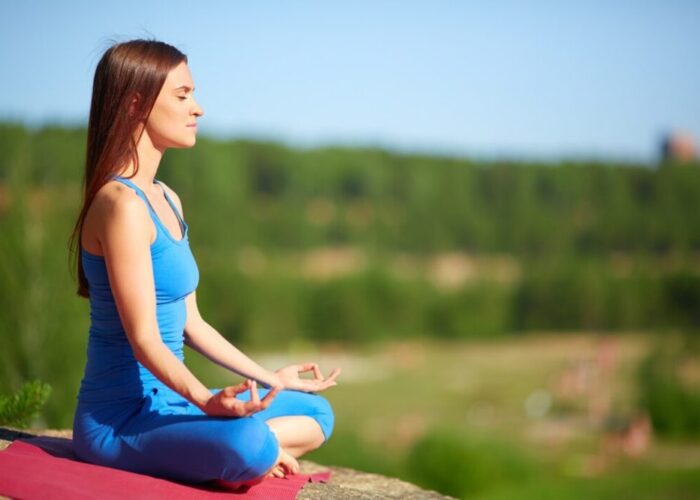
Lifestyle Practices That Support Yoga and Ayurveda
When the daily environment that you are attached to is not so aligned with what your body needs, yoga practice in isolation, unfortunately, cannot compensate. Since Ayurveda is a holistic philosophy, it also prescribes practices to aid digestion, sleep and mental health. Yoga becomes more effective and supportive as daily lives and routines align with the body’s natural rhythms.
Diet and digestion are some of the most essential keys to dosha balance in Ayurveda. AYURVED– As per the Ayurvedic system, different foods have different effects on the body. Warm, nourishing foods help ground Vata, cooling foods balance Pitta and are also light or more pungent to aid Kapha* against sluggishness.
Food is one part of the triangle, but sleep and daily rhythms also have to be healthy for us to thrive. Ayurveda suggests mindful eating in the morning & night based on the same timings of sleep with meal set hours. Mindfulness practices, journaling and deep breathing in between will keep aspirants conscious.
Practising Yoga Seasonally According to Ayurveda
And just like us, a body’s seasons follow an archetypal doshic influence on energetic patterns. Environmental factors such as surrounding temperature, humidity and air currents can often aggravate the doshas of Ayurveda apart from food. For example, the qualities of Vata – dryness, lightness and coldness – are predominant in fall and early winter, while summer aggravates Pitta dosha.
Late winter and spring are also Kapha times of year, which are characterised by heaviness, moisture and slower energy. It would alter the body’s response(s) to exercise, nutrition and day-to-day living compared to what may be considered seasonal factors. When practitioners sometimes know) the natural cycle, then they get to make little adjustments + adaptations that stabilise their own situation, also those surrounding them throughout the year.
Aligning your yoga practice with seasonal cycles is a great way to stay grounded and keep your personal equilibrium in check. In fall and winter, slower flows with long, steady breath can be grounding and warming practices. More gentle, flowing practices, cooling breathwork and restorative work in the hotter months can guide you to not heat up or feel too comfortable in the body.
Modern Scientific Perspectives on Yoga and Mind-Body Balance
Over the last few decades, modern science has increasingly studied and observed the effects of yoga and/or mindfulness practices on body and mind. For the few individuals who do yoga regularly, studies have shown that a little bit of practice will reduce stress levels and improve healthy cortisol modulation, strength and flexibility. Research has also shown that we can prime the nervous system toward positive attunement with daily practice reflections that help bring the body into ease and balance.
Yoga and breathing methods are not only great for the body but also related to mental clarity and psychological wellness. Just like the previous forms of yoga, Pranayama and meditational practice increase awareness, aid emotional stability and promote positive thinking. This practice is thought to trigger the body’s relaxation response, which might help block some effects of chronic stress on everyday life.
Nonetheless, as the majority of scientific matters explored yoga with no regard to Ayurvedic thought, and many of their deliberations tend toward establishing views hinting at a philosophy found in conventional teachings on this practice. “Modern science is affirming ancient wisdoms – that mind-body practices don’t just impact you physically but mentally, emotionally and overall well-being.
How Yoga Teacher Training Programs Incorporate Ayurvedic Principles
So many yoga teacher training programs will include some exposure to Ayurveda because they are holistically designed. “Learning about Vata, Pitta and Kapha — the three doshas in Ayurveda to describe unique physical and emotional characteristics within an individual — informs future teachers how students might respond differently to certain types of movements, intensity levels or class environments,” she said. Realising this can help instructors become more flexible and empathetic to the individual differences of students.
Awareness of Ayurvedic principles allows a teacher to recognise the energy, focus and activity levels of students. With this knowledge, teachers can offer different versions of the postures, pacing and breathing techniques so students of all constitutions can move with comfort and safety. It also encourages teachers to design balanced classroom atmospheres that aren’t too tense or placid.
Teachers also begin to realise how climate, daily habits, diet and seasonal changes can affect the way they teach their yoga practice. The wider view enables them to direct the students towards sustainable practices as opposed to strict systems that serve long-term health and a more individually tailored approach toward yoga.
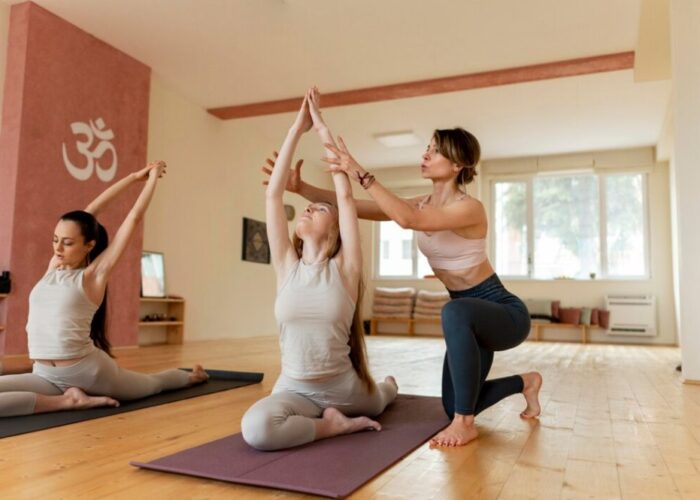
Common Mistakes When Applying Ayurveda to Yoga Practice
While Ayurveda is a great guide, it’s really these guides that are more autopilot than reality.
Oversimplifying Doshas
While most of us are classified under one dosha, understand that in actuality, you have two primary doshas that make up your personality.
Following Rigid Rules
Ayurveda encourages awareness and flexibility. This watered-down strategy, however, is very limiting in one avenue of self-exploration: To call everything “good” or “bad” must be confining.
Ignoring Personal Experience
Yoga practice is, at its heart, increasing self-awareness. Listening to what your body is communicating is more important than sticking to theoretical rules verbatim.
Sound principles and theory give wise practitioners room to experiment with their own experience.
Frequently Asked Questions (FAQ)
What is an Ayurvedic constitution?
As soon as an individual is born, his/her doshas are balanced according to his/her Ayurvedic constitution (known as Prakriti). It also determines ontogeny (reactions over time) such as emotional response and reaction to lifestyle practices, physical characteristics (height, for example), and metabolism.
Can a person have more than one dosha?
Yes. Most people are bi-doshic (two doshas rule, one doesn’t ), developing a set of activities that can therefore be built into lifestyle & wellness plans@indexhedos as a problem-solving aptitude, this incumbency.
How do I determine my dosha?
Doshas can be determined using questionnaires and by comparing certain physical and psychological characteristics, or through consulting with a trained Ayurvedic practitioner. But a few easy lifestyle changes can alter when and how your symptoms manifest — and turning to an expert for guidance could provide new ideas on how to fill in any holes.
Do I need Ayurvedic knowledge to practice yoga?
No, you absolutely should learn Ayurveda when learning to practice yoga. But an awareness of doshas can also be a helpful map in getting to know yourself, which helps practitioners establish what habits are likely to lead to lasting balance.
Conclusion
Ayurveda and yoga are systems of medicine that reflect the synergistic, holistic approach to health, where the physical body, mind, and environment form an integrated entity. Yoga offers tangible skills – physical postures, breathing techniques, and meditation that develop strength, balance, and mental focus. Ayurveda, the 5000-year-old Indian science, prescribed a model of how tendencies in energy flow are manifested constitutionally (physically and energetically), well- being as defined by the balances that are predominant at birth. Every individual has a body and mind structure that is different, and Ayurvedic principles encourage consumers to be aware of their natural constitution.
These three doshas – Vata, Pitta, and Kapha – are helpful for practitioners to feel a deeper connection with yoga. No one can tell you what additional (non-Yogic) is happening at the supernal levels that is going to find its way into our bodies, with whatever adaptations that we have been left no choice but to submit to all of the regular inside-the-The Yoga Groupthink. This might be a movement that is nicely paced, breathwork of a particular kind, or meditative practices that nourish an expanded sense of steadiness in the mind and body.
It is also aimed at promoting sustainable practice and long-term health. For example, vata is soothed with grounding, calming practices; bases of overstimulated pitta are often relaxed with cooling measures; energising flows may aggravate kapha energy. So when we bring mindful lifestyle practices and a seasonal awareness into the mix, yoga becomes so much more than movement! And if so, then it opens the way to harmony and awareness of oneself as a finely tuned pulse in life.