The yogic discipline requires both breath control and yoga postures as fundamental practices. The ancient teachings of yoga state that breathing serves as the connection between physical existence and mental experience. The practice of mindful breathing techniques enables people to control their physical state and their mental and emotional states. The process of breathing reaches its optimal state when it achieves tranquillity, which enables the person to enter a state of focused awareness.
The pranayama techniques function as pathways that direct vital life energy through the body. The practice of balanced breathing enables energy distribution through the body according to yogic philosophy. The body reaches its optimal state of relaxation when breathing patterns become slower and more controlled. This balanced state enhances concentration abilities while decreasing stress levels and promoting physical and mental health.
Shitkari Pranayama is an ancient breathing technique which traditional yoga defines as a cooling form of breath. Practitioners inhale through their teeth, making a soft hissing sound that they also use to exhale through their nose. Shitkari Pranayama is a typical practice to lower internal body temperature, while treatment can also help rest the nervous system and recharge the physique. Recommended for use in warmth and post – exertion, the technique encourages both relaxation of body and mind while achieving restful balance.
Understanding Pranayama in Yoga
Pranayama and the yoga tradition enable practitioners to breathe through conscious breath control and regulation. Practising both yoga postures and breath control, yogic discipline remains Sivananda Yoga’s most fundamental component. Ancient yogic wisdom refers to the breath as a bridge between body and mind. Mindful Breathing techniques allow one to manipulate their physical state, their mental ability, and the state of their emotions. The process results in controlled breathing, allowing whoever does this to come into a focused state of mind.
There are specific pranayama techniques of cosmic energy, known as prana, that fuel the divine-related activities of all living things. Balanced breathing practice helps yogic practitioners in controlling energy movement in every part of their body. Slowing and controlling the breath leads to deeper relaxation in the body. Being in a balanced state helps individuals improve their concentration skills, reduce stress levels, and increase well-being.
Shitkari Pranayama serves as a traditional breathing technique, which classical yoga literature describes as a cooling breath practice. The technique requires practitioners to inhale through their teeth while creating a hissing sound before they exhale through their nose. Shitkari Pranayama serves as a practice to decrease internal heat while establishing a peaceful nervous system and providing body rejuvenation. People use this method during hot weather and after they finish intense exercise because it helps them achieve relaxation and mental and physical harmony.
What Is Shitkari Pranayama?
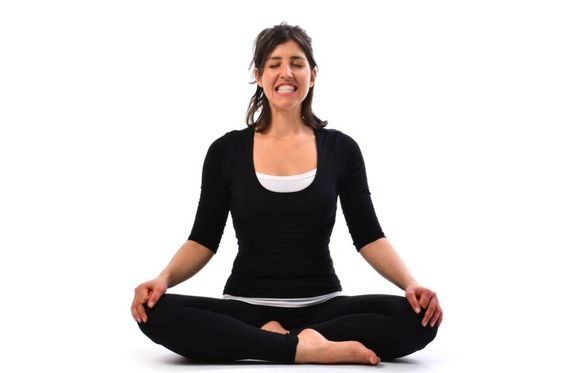
Shitkari Pranayama is a yogic breath that cools the body & calms the mind. Shitkari is derived from the Sanskrit shit, meaning cool or cold. The name also alludes to the soft hissing noise produced by the inhalation process. This practitioner inhales through the teeth slowly while keeping the lips apart. Teeth create a soft “shii” sound from streaming air. The person closes their lips after breathing in and then blows the air out of his or her nose, which creates a gentle rhythm.
This breathing technique produces a cooling sensation that people feel in their mouth, throat and respiratory passages. Yogic practitioners utilise this effect to remove body heat with refreshing, calming sensations. Due to its cooling nature, people practice Shitkari Pranayama in warm weather and after strenuous exercise. This technique has also been known to produce physical results, and thus it creates a calming effect in an individual, allowing them to reach better focus. Slow, mindful breathing brings mental peace, which helps with better focus and relief from stress. Shitkari Pranayama, when done regularly, helps individuals in attaining emotional stability and physical well-being for a lifetime.
Historical and Yogic Background of Shitkari Pranayama
The Hatha Yoga Pradipika and the Gheranda Samhita establish Shitkari Pranayama as a practice that various classical yoga texts record. The traditional texts explain that pranayama functions as a vital method that helps purify both body and mind for meditation practice. The yogic teachings consider breath control to be an essential discipline practice that enables practitioners to achieve better balance and awareness. The practice of breath regulation enables individuals to establish a peaceful base that supports their advanced yogic training.
Yogic tradition teaches that breathing patterns control both physical functions and the distribution of subtle body energy. The connection between these two things made people believe that breathing control would help them achieve better internal body balance. Shitkari and other cooling pranayama methods functioned as traditional solutions for lowering excessive body heat, which developed through physical activity, emotional stress or environmental exposure. The practices use breath control to create a state of equilibrium, which benefits both physical and mental health.
Shitkari breathing techniques evolved into a fundamental element of contemporary wellness practice, which originated from ancient yoga traditions. The current teaching of this pranayama practice serves as a soft breathing technique that helps users achieve relaxation and mental tranquillity. The practice of this technique enables users to restore their physical condition while achieving a peaceful state of mind and enhanced mental focus.
How Shitkari Pranayama Works
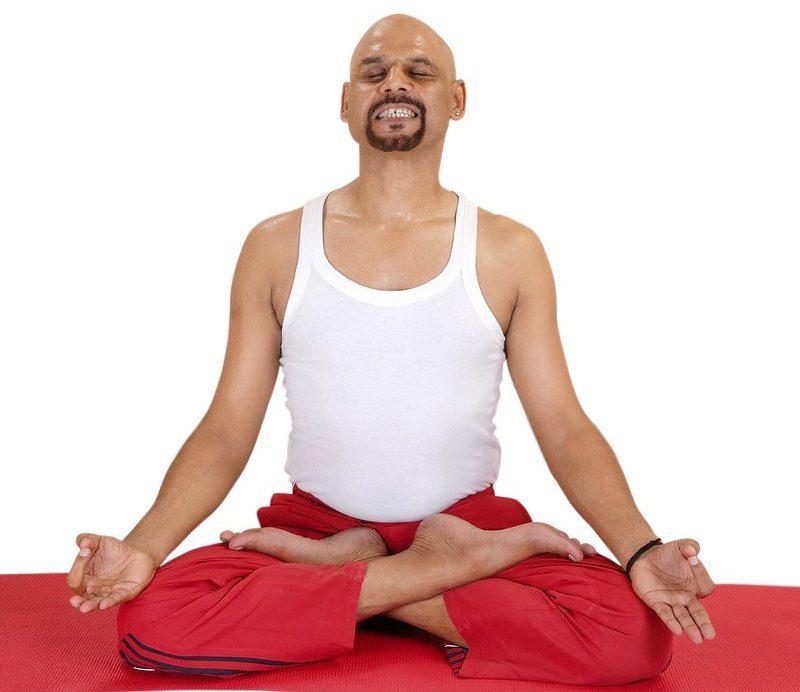
Shitkari Pranayama creates effects in the body through its two main systems of operation: physical movements and energy movements. The practitioner inhales through their teeth, which produces a cooling effect that spreads through their mouth and throat. The sensation helps decrease internal heat while providing a refreshing effect that makes the body more comfortable. The process begins when air enters through the teeth, which then undergoes a temperature reduction before the person breathes it out. The breath travels through the mouth and throat, which creates a refreshing experience that many practitioners feel during their practice and after it. The technique achieves its calming effect through this straightforward system.
Shitkari Pranayama creates a cooling effect while it also promotes deliberate and measured breathing patterns. The body enters a state of relaxation through parasympathetic breathing patterns, which initiate the body system for healing system. The yogic practice of breathing control results in more effective prana flow, which leads to better energy balance and improved mental focus.
Step-by-Step Guide to Practising Shitkari Pranayama
Choose a comfortable sitting position:
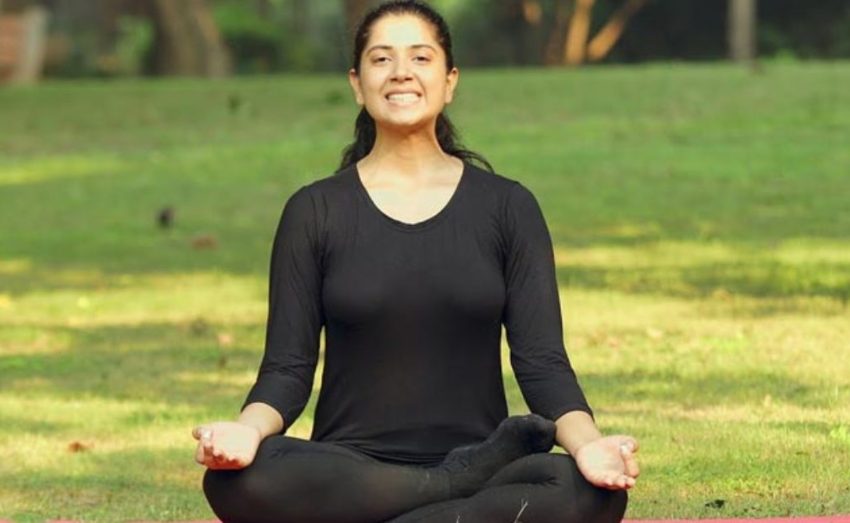
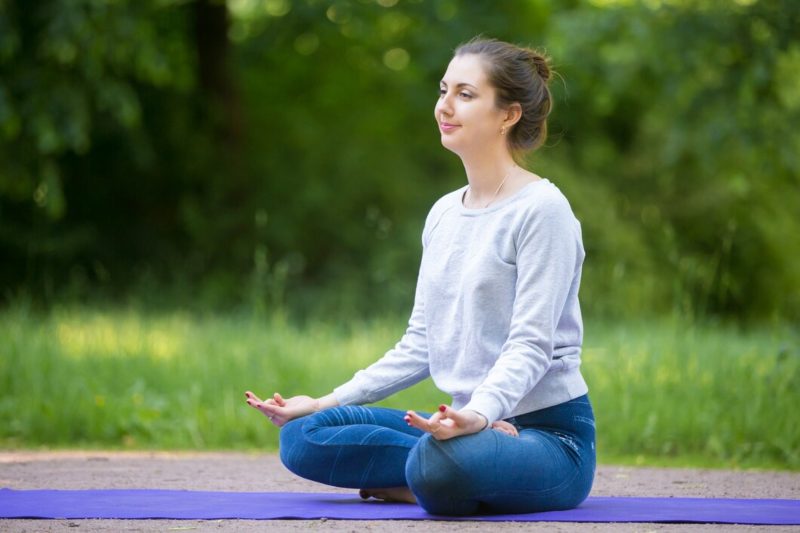
The practice requires practitioners to start by sitting in a position which provides both stability and comfort. The practice uses traditional yoga positions, which include Sukhasana and Padmasana as its main postures. Practitioners who find floor sitting uncomfortable can sit upright in a chair while their feet stay on the ground. The spine needs to maintain a straight position, which allows for natural breathing. A stable posture helps maintain focus and enables the body to stay calm during the entire practice.
Relax the body and prepare the breath:
The person should sit down and then let their shoulders drop while resting their hands on their knees or thighs. The person should close their eyes for a few natural breaths that they should take at their own pace. The body needs this brief preparation period because it helps people achieve physical and mental peace before they start their breathing practice. The practitioners gain the ability to start pranayama practice after they learn to recognise their natural breathing pattern.
Inhale slowly through the teeth:
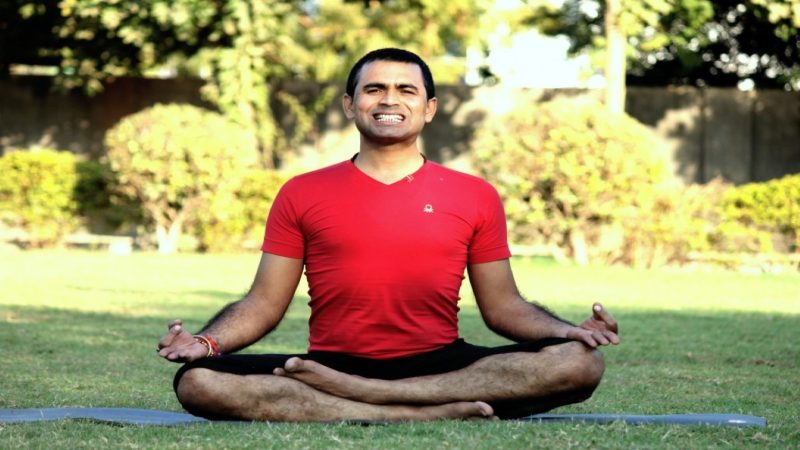
The body requires preparation before the teeth are closed, while the lips maintain a slight opening. The person should perform a slow inhale through their teeth, which creates an air stream that moves across their teeth. The breath produces a soft hissing sound which resembles the sound of “shii” when it enters. The person should concentrate on the cold feeling which develops in their mouth and throat as they breathe in through their nose.
Exhale gently through the nose:
After completing the inhalation, close your mouth and exhale through your nose at a slow pace. The practice of Shitkari Pranayama requires one complete round to be finished. Beginners should start with five to ten rounds, which they can incrementally increase after they develop comfort with the technique and its rhythm.
Physical Benefits of Shitkari Pranayama
The primary physical advantage of Shitkari Pranayama practice exists because it produces a body temperature reduction effect. The breathing method provides its highest effectiveness during hot conditions and post-exercise recovery periods when people experience body overheating and exhaustion. The breath produces a cooling effect that enters through the teeth and produces a mouth and throat cooling effect, which enables body temperature relief and body refreshment. The body temperature will become easier to handle through regular practice, which will make people feel serene,d refreshed, and energetic.
The breathing pattern in Shitkari Pranayama establishes another advantage through its implementation of slow breathing and controlled breath execution. The body achieves relaxation through smooth and steady breathing patterns, which also enable optimal breathing mechanisms to operate properly. The body enters a state of relaxation through decreased breathing rate,e which improves blood flow and speeds up recovery after physical activity. Yoga teachings from ancient times state that Shitkari exists as a cooling breathing technique which helps to control digestive functions by decreasing excessive body heat and creating internal balance throughout the body system.
Mental and Emotional Benefits
Shitkari Pranayama demonstrates its ability to create a peaceful state of mind. The breath pattern, which flows at a slow speed,d enables people to experience decreased mental unrest while they achieve deep inner peace. The mind reaches a state of relaxation through gradual breathing,n,g which helps people attain better mental clarity and peacefulness. The practice of breathing naturally enables people to stop paying attention to their distracting thoughts and their daily life concerns. The practice of breathing together with breathing observation increases concentration abilities while helping people achieve mental equilibrium.
Shitkari and other cooling breathing techniques provide effective relief when someone experiences emotional disturbances, irritability and mental exhaustion. The process of inhaling creates a refreshing sensation which produces a calming effect that reduces emotional stress. This pranayama practice helps people achieve better stress control and emotional stability through regular practice. People who practice deep breathing techniques become better at staying calm during their daily tasks, which helps them reach a state of mental equilibrium.
Shitkari Pranayama and Cooling Energy in Yoga
The yogic philosophy categorises specific breathing methods as cooling pranayama because these methods decrease body temperature while helping quiet an excessively active mind. The body develops internal heat because of three factors, which include physical activity, emotional stress and high temperatures from the surrounding environment. The body and mind use cooling pranayama practice to restore their natural state through internal heat control. The techniques use breath control to establish a constant breathing pattern, which enables the body to achieve relaxation while the mind remains focused.
Shitkari Pranayama exists as one of the ancient cooling breathing methods which people still practice today. The practitioner breathes through his teeth during this exercise, which produces a soft hissing sound when the air flows through his mouth. The process creates a strong cooling effect that people experience in their mouth and throat. The yogic tradition teaches that breath control produces a cooling effect, which brings peace to both the physical body and the energy system of the body.
Cooling pranayama methods receive recommendations during hot weather conditions and after people complete demanding yoga sessions because practitioners develop too much body heat. Shitkari Pranayama practice at this time decreases body heat and helps people achieve deeper relaxation. The practice uses breath reduction together with inward focus to create balance between physical movement, emotional feelings, and mental understanding, which leads to improved overall health.
Variations of Shitkari Pranayama
Shitkari Pranayama includes variations involving different tongue positions, breathing rhythms, and awareness techniques. Each variation supports cooling the body, calming the mind, improving focus, and enhancing overall respiratory control.
Cooling pranayama techniques in yoga:
Yogic breathing practices use multiple techniques which provide body-cooling effects and body-calming effects. Shitkari Pranayama is one of these traditional methods, and it shares similarities with other cooling pranayamas. Sheetali Pranayama serves as another recognised technique which practitioners use to decrease their internal body temperature and achieve a state of relaxation. People use both breathing techniques to produce a refreshing body sensation while they achieve a peaceful mind state.
Difference between Shitkari and Sheetali methods:
Shitkari and Sheetali Pranayama share the same goal but require different breathing methods because each technique demands its own breath control method. In Sheetali Pranayama, the practitioner rolls the tongue into a tube-like shape and inhales air through the curled tongue. The mouth opening produces a cooling effect, which occurs when air enters through it. In Shitkari Pranayama, however, the breath is drawn in through slightly parted teeth while the lips remain gently open. The technique creates its special name because air flowing through the teeth produces a gentle hissing sound.
Developing rhythm and breath control:
As practitioners gain experience with these breathing practices, their breathing rhythm undergoes refinement. This process requires practitioners to extend their inhalation and exhalation time while they establish a breathing pattern that shows greater fluidity and control. The enhancements to breathing techniques develop through time as practitioners build their breath awareness through consistent practice.
Integrating Shitkari into longer practices:
Advanced yoga practitioners use Shitkari Pranayama as a component of their extended pranayama practice. The practice of this technique with various breathing methods leads to improved relaxation and better control of mental stability. The practice of Shitkari breathwork,k together with other breathing techniques, enables practitioners to experience its calming and cooling benefits more profoundly.
When and How Often to Practice
Shitkari Pranayama practice occurs during early morning hours and evening hours because these times bring quiet environmental conditions, which help people achieve mental peace. The breathing exercises become easier for practitioners to perform during these peaceful daytime hours because interruptions to their practice remain minimal. The practice at these times enables people to develop their breath awareness while reaching a state of calmness,s which requires full attention. A practice session becomes more effective through a silent spa,ce which enables people to observe their breathing patterns and body movements.
The practice should begin with a gradual approach according to the recommendations for beginners. The practitioners of Shitkari Pranayama should start with five to ten rounds and then increase their practice time as they learn the breathing technique. The body learns the technique through this gentle approach, which avoids causing any physical strain to the body. The practice benefits from an ama relaxed body posture, together with the natural way of breathing.
The value of consistent practice grows more important than doing extended training sessions one time each month. Through consistent practice, people develop a stable breathing pattern while their ability to recognise their breathing grows stronger. The calming and refreshing effects of Shitkari Pranayama become more evident to people through their patient practice and mindful repetition.
Precautions and Safety Considerations
The Shitkari Pranayama technique requires practitioners to handle their performance through essential safety measures,s but remains suitable for everyone as a basic breathing technique. Practitioners should follow the same approach as other pranayama techniques by maintaining body awareness during their practice. The practice achieves its safe and beneficial results when practitioners maintain relaxed positions while breathing flows through them. People should avoid this technique because it requires breathing through the mouth, which creates discomfort when cold air enters their dental cavity. The practice becomes difficult for some people because Shitkari requires them to breathe through their teeth,h which leads to unpleasantness when cold air enters their body.
The practitioner should execute the technique by breathing at a slow pace without using excessive force for each breath. The pranayama technique achieves its maximum efficiency when practitioners maintain a calm breathing pattern that they control with gentle movements. The body experiences discomfort because people attempt to breathe at excessive strength while their body remains tense. Beginners need to learn Shitkari Pranayama from a certified yoga instructor who will show them the correct way to practice this technique. Proper instruction enables practitioners to learn the correct posture and breathing rhythm with all essential information required for safe and effective practice according to their yoga schedule.
Who Should Practice Shitkari Pranayama
Individuals who face frequent stress, mental restlessness, and body heat must practice Shitkari Pranayama to reduce their symptoms. The breathing technique produces a cooling effect which helps create a refreshing sensation that lets the mind achieve a state of peacefulness. The practice of slow and mindful breathing helps people who experience mental overload and emotional distress by decreasing their body tension while bringing about a calmer state of mind. Practitioners achieve increasing levels of peacefulness through breath rhythm practice,e which helps them control their emotional state.
The pranayama technique provides advantages to people who want to improve their health through basic breathing exercises. The practice of slow and controlled breathing helps people develop their focus because it makes their mind less active and better able to handle their daily responsibilities. The practice of mindful breathing establishes a routine which leads to decreased mental pressure and increased ability to maintain a peaceful state of awareness. Yoga practitioners use Shitkari Pranayama as a standard breathing exercise, which they combine with other techniques to develop their breathing practices.
People show different reactions to breathing techniques, which shows the need for personalised breathing methods. Some people experience immediate cooling and calming effects, but others need to practice regularly before they will see results. People who practice with awareness and patience will maintain comfort through body and mind techniques.
Modern Scientific Perspectives on Cooling Breath Practices
Beginners who start practising Shitkari Pranayama may sometimes face a few common challenges while learning the technique. The most common error occurs when people breathe rapidly while they inhale through their mouths with excessive intensity. The practice of Pranayama requires practitioners to breathe in a slow and gentle manner, which they must control because any attempt to speed up their breathing will disrupt their natural breathing pattern,n thus diminishing the exercise’s ability to induce relaxation. The practice requires practitioners to maintain correct body alignment throughout their entire duration. Slouching the spine while maintaining tension in the shoulders results in breathing patterns that become less effective because people start to breathe more shallowly. Maintaining an upright but comfortable position enables the chest and lungs to expand freely, which leads to improved breathing capacity.
The practice requires practitioners to maintain a state of complete body relaxation throughout its execution. Muscle tension and abnormal breathing patterns create a situation which makes it hard to maintain practice because both factors disrupt the practice flow. Practitioners can better understand the cooling and soothing effects of Shitkari Pranayama when they maintain a steady breathing rhythm and relaxed body stance. Regular practice enables individuals to develop their ability to observe their own breathing and all physical sensations throughout their body. The increasing awareness of their own breathing allows practitioners to enhance their technique while they practice, which results in better control of their breathing. The practice results in more effective advantages when people gain awareness of their breathing.
Common Mistakes During Shitkari Pranayama
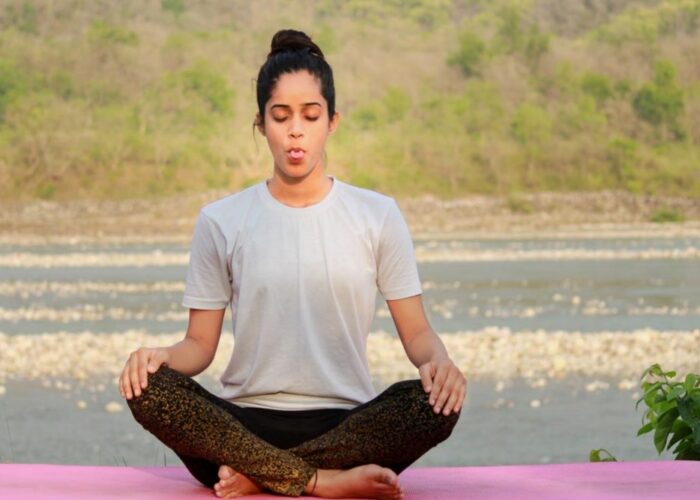
Beginners who begin practising Shitkari Pranayama may sometimes make small mistakes while learning the technique. The common problem occurs when people breathe at excessive speed while they attempt to inhale. The design of Pranayama practices requires practitioners to execute their breathing exercises through slow and gentle movements. The breath needs to flow through the body seamlessly because this supports body relaxation while creating peaceful mental states.
Another essential component of the practice requires practitioners to maintain correct body alignment throughout their exercises. Slouched spines together with tight shoulders result in shallow breathing patterns, which decrease breathing efficiency. The person achieves better lung capacity through sitting in an upright position, which supports spine health and allows shoulder muscles to relax. The body achieves deep and smooth breathing through this posture, which leads to improved practice outcomes.
The body requires complete relaxation, while practitioners need to establish a constant breathing pattern. The practice becomes uncomfortable when muscle tension develops, and breathing patterns become irregular. People who practice breathing exercises on a regular basis will begin to notice their breathing patterns, together with bodily sensations. The developing awareness of breathing patterns and bodily sensations leads to better technique execution, which results in improved breathing control through this technique. Practitioners who use mindful breathing practice will experience both calming effects and refreshing results over an extended period.
Frequently Asked Questions (FAQ)
- What is the difference between Shitkari and Sheetali Pranayama?
Sheetali Pranayama is performed by curling the tongue into a tube and inhaling through it, creating a cooling sensation. In Shitkari Pranayama, the breath is inhaled through slightly parted teeth, producing a gentle hissing sound while also creating a refreshing cooling effect.
- How long should Shitkari Pranayama be practised?
Beginners can start with about five to ten rounds of Shitkari Pranayama. As comfort and breath awareness improve, the number of rounds can gradually increase, allowing the practice to become steadier and more beneficial over time.
- Can beginners practice this technique?
Yes, Shitkari Pranayama is generally suitable for beginners. When practised slowly and gently, it can be an accessible way to learn breath awareness and relaxation. Beginners may benefit from practising under guidance or starting with short sessions.
- Is it safe to practice daily?
Yes, Shitkari Pranayama can usually be practised daily as part of a regular pranayama routine. Consistent practice helps improve breath control, relaxation, and mental calmness, as long as the technique is performed gently and without strain.
Conclusion
Shitkari Pranayama is a traditional yogic breathing technique that produces cooling effects while inducing mental and physical relaxation. The practitioner performs this technique by breathing through their partially open mouth to produce a hissing sound, which they use to exhale through their nose. The mouth and throat cooling effect from this breathing pattern produces a refreshing sensation, which practitioners use for relaxation purposes. Shitkari Pranayama is a common practice in yoga and pranayama sessions because it requires simple techniques and results in gentle effects.