For decades now, yoga has been rebranded – a centuries-old spiritual pursuit whose origins can be traced back to India as an international health fad that’s found followers in millions of countries across the globe. And now yoga studios and online classes and wellness retreats are so ubiquitous in many countries that they have become part of a go – to regimen for people who want to increase their flexibility, tamp down on stress, not to mention other elements of physical and mental well-being. Most that start, do so on a class basis, and mostly local fitness program-based. Practitioners start to move beyond asanas and explore breathwork, meditation, mindfulness, and the mental constructs behind traditional yoga.
Once this curiosity develops, many students of yoga wish for more structured methods to study it other than attending classes occasionally or short workshops. A more popular approach is to go together for residential yoga courses. These are programs that require students to stay and learn in an environment entirely meant for yogic learning, unlike regular classes. Residential courses usually have a daily agenda consisting of meditation, pranayama, asana practice, yoga philosophy, and discussions on holistic wellness. Living in a yoga school or ashram also exposes students to yoga as a daily lifestyle, rather than an exercise style of practice.
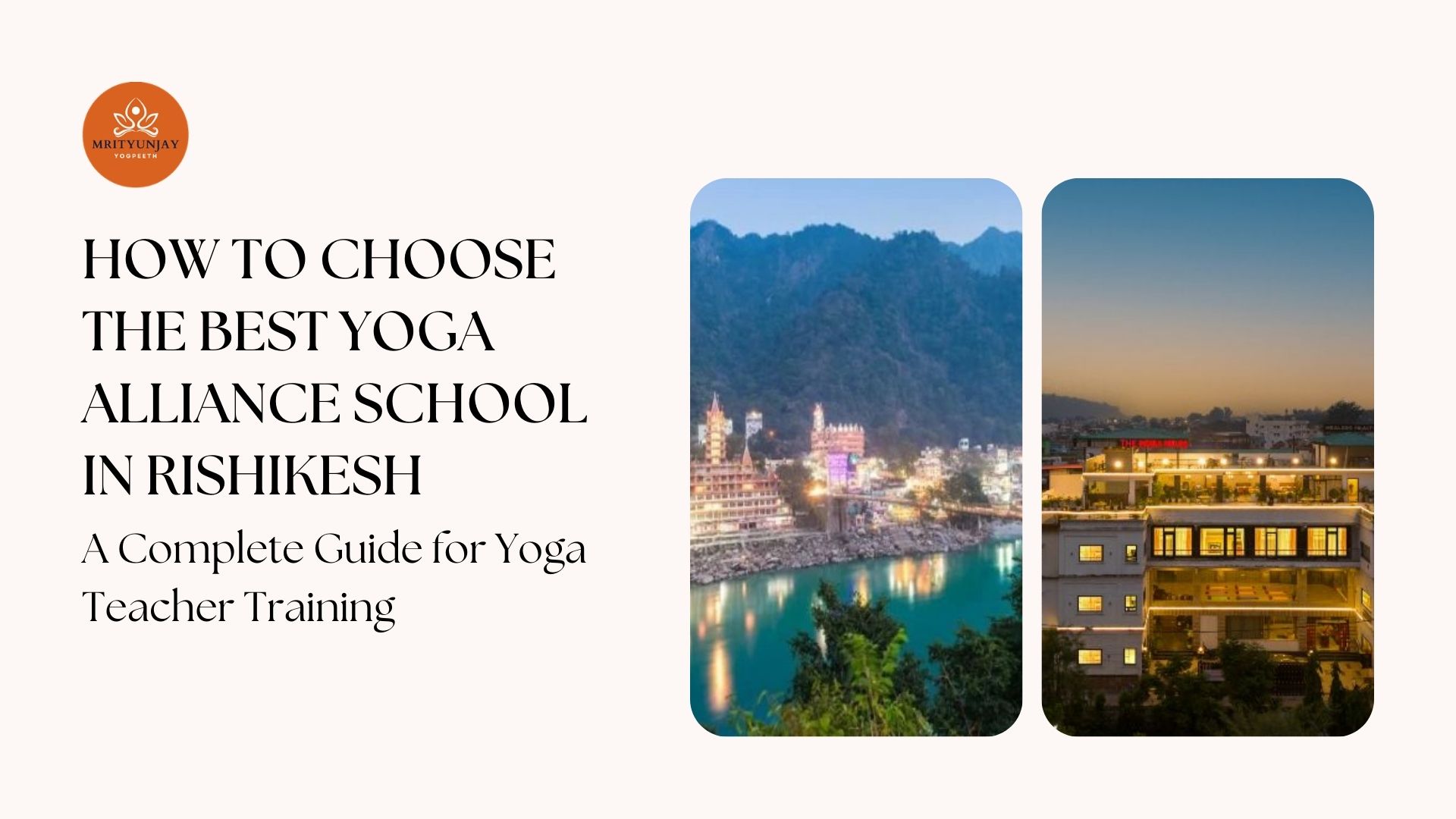
Among them, Rishikesh in northern India has emerged as one of the homes to well-respected institutions that provide residential yoga education. Situated by the Ganges River close to the Himalayan foothills, the city is often called the “Yoga Capital of the World.” Students from all over the world come here every year to learn something new from experienced teachers and study the traditional yoga concept. By training in this setting, practitioners can also practice yoga for the unique environment and in the context of its culture and spirituality, which makes learning both meaningful and transformative.
Why Rishikesh Is One of the Best Places to Study Yoga
Rishikesh is well known for its rich tradition of spirituality and has a spiritual connection to both classical yogic study, making it an ideal city in today’s world to become your yoga centre. The city, nestled in the foothills of the Himalayas in northern India, has long been a hub for meditation and spiritual study. As legends go, ancient sages and yogis meditated in the caves of this region that are too deep inside these forests. Over the years, Rishikesh has gradually become a centre for seekers to learn and practice various schools of yoga and philosophy. Here, the ashrams and spiritual institutions that were built held on to and propagated many of the ancient teachings of yoga.
The many traditional ashrams that were present here played a big role in establishing Rishikesh as a yoga education centre. Traditionally, these ashrams were places where students would stay with teachers and learn by practising every day, discipline and study. Training often included not just the physical yoga practices but also meditation, ethical teachings and philosophical dialogue. This same model of residential learning is still sought by many Rishikesh yoga schools today. One is for people who come here for a program, and those who stay on campus or in nearby lodging can freely devote themselves to a structured schedule of personal practice and study of the discipline.

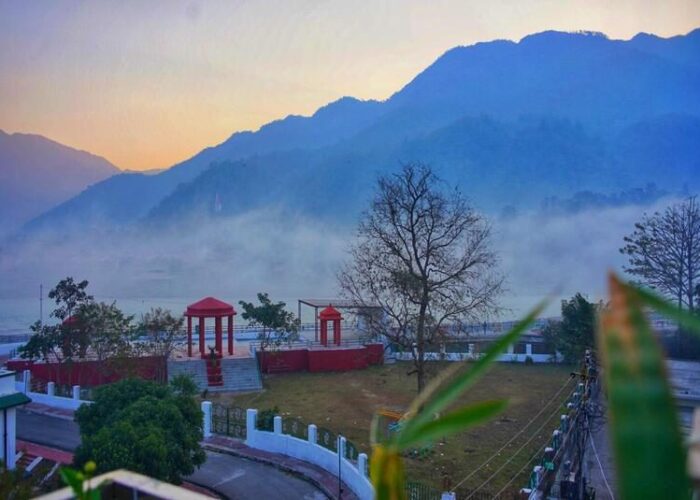
Another important aspect of Rishikesh is its peaceful natural environment. The city lies along the banks of the sacred Ganges River and is surrounded by green hills and Himalayan landscapes. For generations, yogis have believed that practising meditation in such calm, natural surroundings helps improve focus and spiritual awareness. Today, Rishikesh also hosts a vibrant international yoga community. Students from many countries travel here each year to participate in teacher training courses, retreats, and workshops. This global exchange allows practitioners to experience yoga both as a traditional spiritual path and as a modern practice that supports health, mindfulness, and personal development.
What Are Residential Yoga Courses?
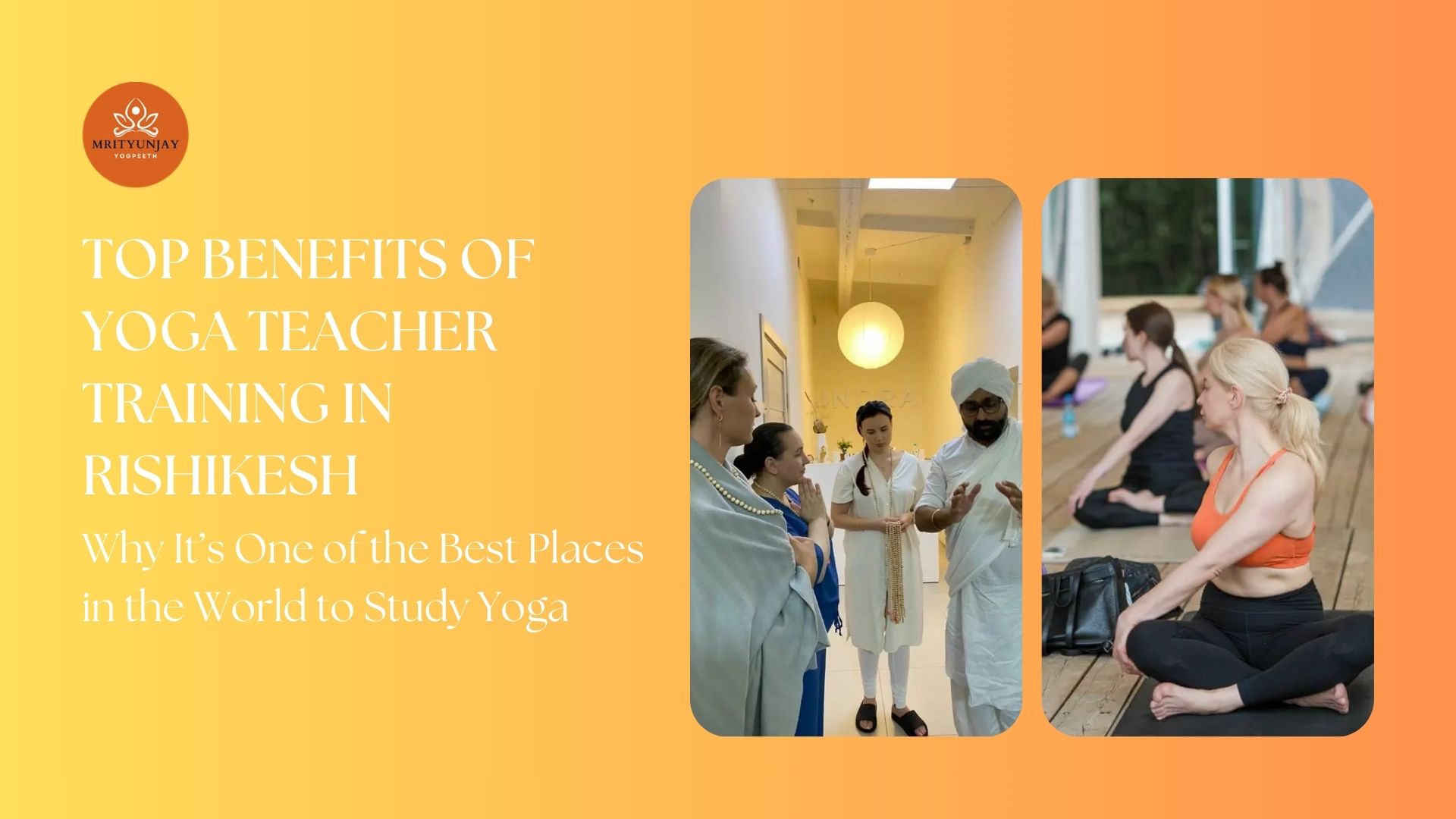
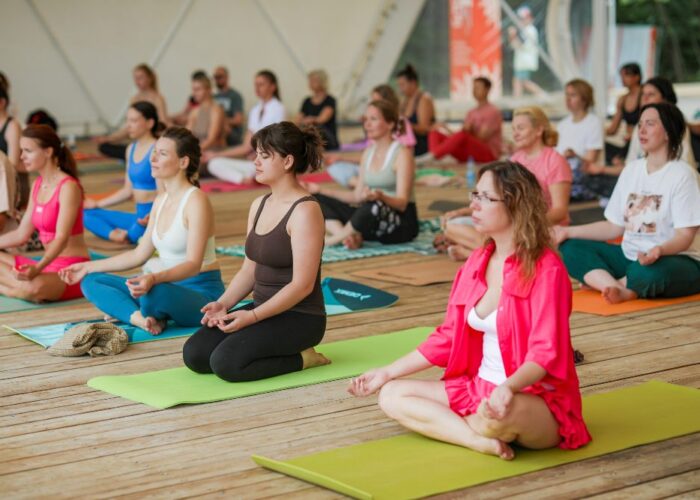
Residential yoga teacher training courses require you to live in a yoga school or ashram and go through an organised program of your teacher training. Such courses usually last multiple weeks and generally cover lodging, daily meals and a wider curriculum designed to supplement a student’s understanding of yoga. This is a full-time residential course all in an environment where yoga is life, as opposed to casual or drop-in classes. Well, students are supposed to put aside many of the usual distractions of patterns of everyday life and dedicate their hours to learning, practising, and thinking. A typical day may begin at sunrise with meditation or breathwork, then yoga asanas along with deep lectures and group discussions. This is especially vital if indeed training cohorts are able to come together under one roof with their data cohort teachers and peers.
A residential yoga course is focused not just on the physical aspect of holistic yoga. Students don’t just get trained in asana but spend time studying pranayama (breath control), meditation protocols, strands of yoga philosophy, anatomy and ethical principles espoused in ancient yogic texts. These topics offer a good spectrum of this curriculum, assisting the students to perceive that yoga is not only an activity routine but instead should be an entire system and a whole great deal on behalf of health, clear-headedness and inner awareness. Taken together, they develop much more mindfulness and self-reflection than students simply doing the activity (in dialogue between practitioners) or writing down their dialogues. Yoga is not something you want to be a separate activity as a person; it is something that you want to grow & integrate into your daily lifestyle. A focus like the one above on living and learning environment can only help students every day, whether it’s practising yoga or opting for ‘yoga as life,’ to get better acquainted with yoga and its profundity.
Top Benefits of Residential Yoga Courses in Rishikesh
1. Immersive Yogic Lifestyle
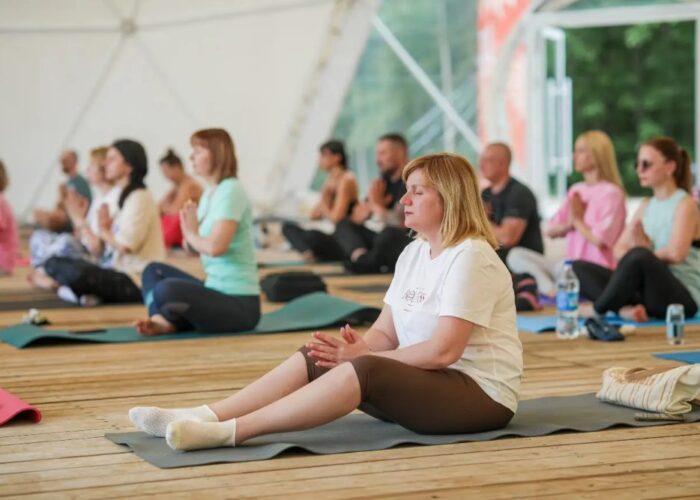
Residential yoga courses offer a chance where yoga percolates into daily life rather than being just an activity. There is meditation or mindful breathing every morning, yoga several times a day, and reflective practices throughout the students’ day. This type of immersion enables students to form good, sustainable habits.
Living in a yoga school or ashram is also helpful since they embed your daily routine in mindfully eating, resting, and being social. Over time, students learn that yoga is not just a form of exercise, but a way of life.
2. Learning Yoga from Authentic Traditions
When students come to India for their yoga training, they get to experience the original culture of yoga with something fresh and new about it. In Rishikesh, a lot of yoga schools practice this knowledge system as both have roots going back into the same Indian philosophy and spiritual heritage. This gives the students an idea of how yoga came into being and what it means at a deeper level.
Your approach through experiential learning, working with teachers trained from traditional lineages, can shed some light, which is somehow not easy if you learned this in short classes or online.
3. Guidance from Experienced Teachers and Gurus
Residential programs provide ongoing experience of and interaction with the yoga teacher concerned, where systemic feedback and variation can be administered in relation to those most responsive and susceptible due to the habit-forming nature of dwelling under one roof. But longer in advance, the correct posture chief has to submit under supervision by the students.
Many of the teachers in Rishikesh have decades of experience with yoga and meditation. Their expertise often goes beyond technical instruction; it also touches on philosophy, ethics and suggestions for how to live a practical life.
4. Structured Daily Discipline
One of the great things about resident yoga courses is that they impose a structure on you; you practice regularly. Days generally start with morning meditation, punctuated by practice sessions and lectures, as well as evening programs to reflect on what is studied. That kind of structure, said you can show up and develop discipline.
In this sense, staying on track will provide some level of clarity and a productive mind behind the brain. The structure becomes so inseparable for them that over time, they learn that just navigating through life this way significantly contributes to their wellness and focus.

5. Deeper Study of Yoga Philosophy
Housing training allows for a deeper level of study of philosophy more rigorously. Writing/sacred text – Yogic scripture such as the Yoga Sutras of Patanjali and the Bhagavad Gita, or other literature chronicling traditional thought around ethics/spirituality in relation to practice.
The yoga they find there is so far the physical fitness system (and without a doubt, also check.
6. Daily Meditation and Pranayama Practice
Meditation and breathing exercises are a crucial aspect of the Diverse Residential yoga program. These techniques, when practised in our day-to-day life, can soothe the mind, increase focus, and create emotional stability.
Pranayama practices, through the regulation of breathing patterns, also affect the nervous system. Over time, students can see a decrease in reactivity to stress and improved mental clarity.
7. Strong Sense of Yoga Community
Residential courses allow students with completely different lives, but similar interests in yoga to be collected together. Having said that, the fact that both live and practice together creates a support system where we learn and grow with everyone.
And these connections frequently carry well beyond the classroom, friendships developed and professional networks established within the global yoga community that last a lifetime.
8. Personal Growth and Self-Discovery
Students tend to characterise residential yoga teacher training courses as life-altering experiences that foster self-reflection, emotional mindfulness, and spiritual maturity. Meditation, professional practice, and philosophical pursuit go together with insights into the mind and its habits as well as one’s values and priorities.
Students tend to come out of this process with far greater confidence, resilience and self-awareness.
9. Opportunity for Professional Yoga Certification
Some residential yoga holidays are also offered as teacher training courses, which can lead to professional certification. Depending on the program’s accreditation, these certifications may enable graduates to teach yoga classes worldwide.
Such programs offer practical training as well as the background knowledge that some are interested in teaching yoga professionally.
10. Healing Natural Environment of Rishikesh
Rishikesh contributes a big portion to the learning system from Mother Nature itself. These are the mountain view countries, as well as near the Ganges river, where yoga imparting is peaceful and also provides an atmosphere for meditation and reflection.
For many students, the peacefulness and beauty of the area help to cultivate a deeper connection to their practice.
What a Typical Day in a Residential Yoga Course Looks Like
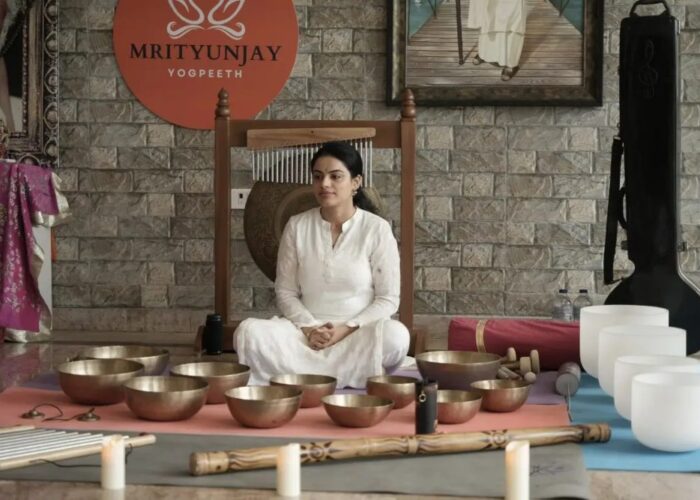
Most residential yoga courses run to a daily timetable designed to provide an even balance between analytical study and practical experience, with time for personal reflection. Most mornings begin very early, usually at sunrise, with some meditation or pranayama. These gentle, low-impact practices start with the mind settling quietly; breath long and full, physical and mental prepwork for students’ day ahead. Mindfulness activities first thing in the day also develop focus and discipline, setting up for the rest of the day planning.
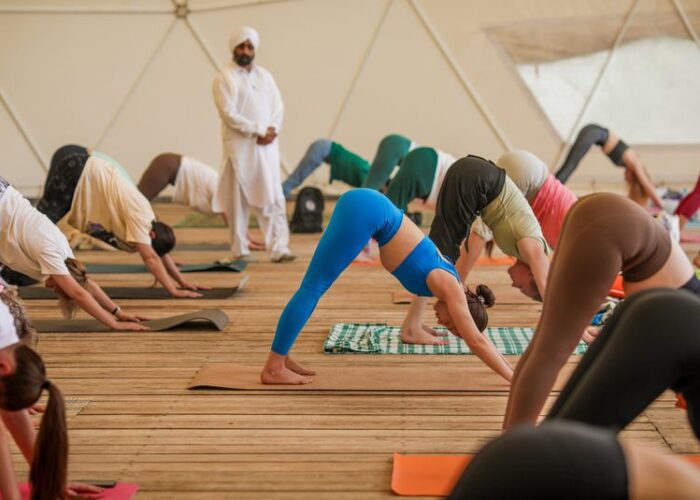
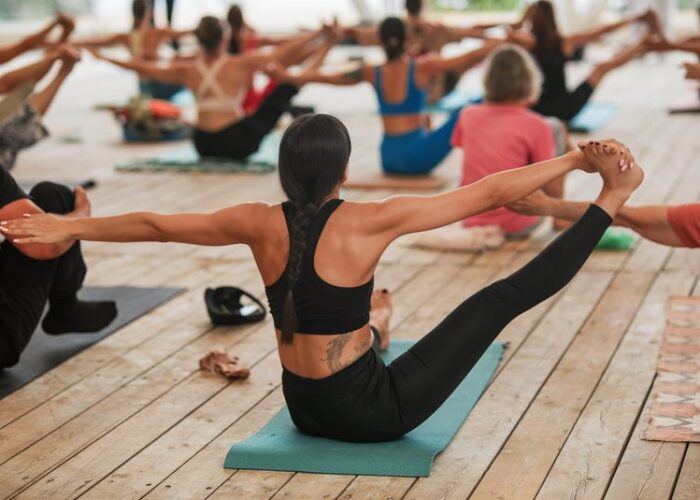
After meditation, students typically go to a morning asana class that focuses on posture alignment, flexibility, strength, and awareness in the body. So guided by guides through sequenced sequences of Hatha yoga or Ashtanga yoga according to the school of method. We work on building strength and skill, learning the relationship between breath and movement, while cultivating our presence in practice.
On any given day, this is followed at some point by more academic learning in the form of lectures or workshops on subjects like yoga philosophy, anatomy, and teaching methodology. These classes will delve deeper into the science and philosophy behind yoga practices. Evenings can be gentler fare like meditation, chanting, or satsang – group discussion where students explore what they’ve learned throughout the day and share insights. What this rhythm allows participants to do is balance physical training, intellectual study, and spiritual investigation during the course.
Who Should Consider Residential Yoga Courses in Rishikesh?
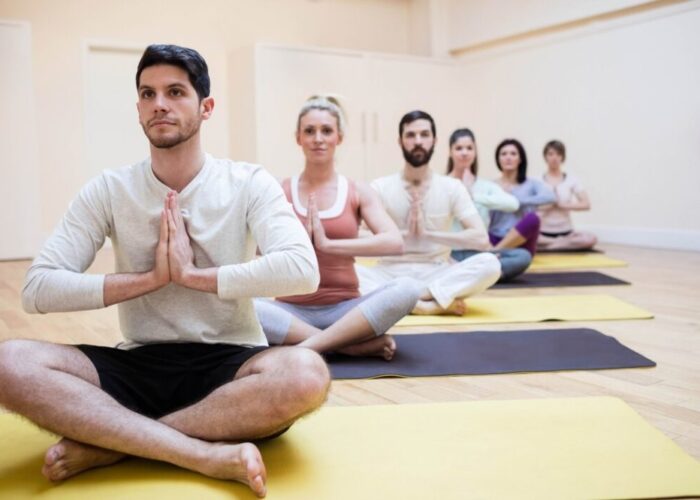
Residential yoga courses are open for people at different stages of life, including absolute beginners as well as old pros. Programs that provide a guided immersion into the key aspects of asana, pranayama, and meditation can be very supportive because they carry you through at your own level to expand your practice in a safe space; most students find this much structure beneficial. Alternatively, practising at home enables novices to become comfortable in their own time and space, studying yoga with dedicated concentration.
Because of this, even seasoned practitioners believe that residential programs can help them broaden their knowledge and sharpen their practice as well. Students have the option of studying yoga philosophy, meditation techniques, and more advanced aspects of practice in further detail with these courses. As participants reside in the learning environment, they have the opportunity to immerse themselves more thoroughly than may be possible in weekly classes.
Residential yoga courses are also valuable for wellness professionals and self-help enthusiasts. These have been joined by fitness instructors, therapists, and health practitioners looking to enhance their understanding of holistic health. In addition, if you are looking for personal transformation or wish to become a yoga teacher, many in-house yoga programs can offer professional training and certification.

How Residential Yoga Courses Transform Personal Practice
These are merely some of the ways participatory learning environments can deeply enrich a student’s individual yoga practice. Over time, with daily practice and proper instruction from highly qualified instructors, students develop greater alignment along with body awareness and breath awareness. Teaching in this way and giving feedback regularly helps students construct an understanding of what the movement is doing – facilitating safer and more mindful practice.
It is also helpful with this process to meditate regularly. It’s followed by daily meditation and breathing exercises, with participants enacting more mindfulness as well as more mental focus. Students, over time, will start to notice emotional stability and greater coping abilities in the face of stressful or everyday life challenges.
Discipline and a long-term habit are another major benefit to the immersive study process. It helps the students establish a practice that they can sustain after the course is over. As practitioners, their understanding becomes multifaceted and holistic in that they realise yoga is a system for bettering physical and mental health.
Modern Wellness Research on Yoga and Meditation
Yoga and meditation, which have been subjected to scientific scrutiny for decades, have only really taken off in recent years. Several studies have shown that regular yoga practice can do a lot to relieve stress, increase flexibility, and aid in general physical fitness. As the practice of yoga has spread like wildfire in the modern world, researchers are beginning to investigate its edge as well as how these ancient traditions can best fit today’s lifestyle – both for physical and mental wellbeing.
How the role of yoga affects mental health has been investigated by a few research organisations, including the National Centre for Complementary and Integrative Health. The studies show varying results demonstrating that yoga practices may help to manage stress and may promote mood changes and emotional stability. Techniques like mindful movement and controlled breathing are thought to help regulate the body’s stress response and promote relaxation.
Breathing techniques and meditation have also drawn scrutiny from medical researchers. Breathing slowly and mindfully activates the parasympathetic nervous system, which calms and recovers the body from stress. And researchers from organisations including Harvard Medical School have also investigated the merits of mindfulness practices, arguing that routinely meditating might actually increase focus and lower anxiety. Research in this area continues to grow, yet much of it further enforces the safe classification of yoga and meditation under wellness or health practices.

Challenges Students May Experience During Residential Training
Adapting to an intensive daily routine:
Usually, the schedule for a residential yoga program runs on a rigid schedule that starts early in the morning and runs multiple classes and periods of study through the day. In a single day, meditation may be taught along with pranayama, asana practice, lectures and group discussions. It must be mentioned that it can be challenging for those not used to such firm schedules at first, and this adaptation to the condition is one of the difficulties faced over time. The ability to keep your energy and concentration up all day long is about much more than just physical stamina — it’s also mental muscle. But once students adjust to the schedule, most find that it facilitates deeper learning and personal growth while also providing structure and stability.
Physical demands of frequent yoga practice:
The not-so-small challenge for many, especially during the residential teacher training, is that, if nothing else, having classes every day can feel like overkill. Participants can spend several hours a day in different stances, breathing methods and other physical exercises. But those newer to long practice sessions may be stiff and sore or fatigued or have trouble staying aligned in the beginning. The body is not always used to this sort of motion and adapts slowly. Skill is guided by experienced guides, who bring their training experience on how to practice within a safe framework, and students will often experience the progressive development of strength, flexibility and body awareness as they work through their techniques.
Emotional self-reflection and inner awareness:
Residential training usually integrates meditation and mindfulness practices and yoga philosophy talks. How those exercises prompt students to take better notice of their thinking, feeling and behaviour. At times, self-reflection can hurt because it requires honesty and transparency about what is happening within. However, for many people, this reflection exercise forms a core part of their self-improvement path.
Mental adjustment to a new learning environment:
It can take a moment for the mental turn, too. A large part of this process is pushing yourself out of your comfort zone and spending most of every day learning (and practising). But the new environment does seem to affect the students, who eventually realise that they can use their experiences to create opportunities for patience and discipline – and a deeper connection to their yoga practice.

Tips for Choosing the Right Residential Yoga Course in Rishikesh
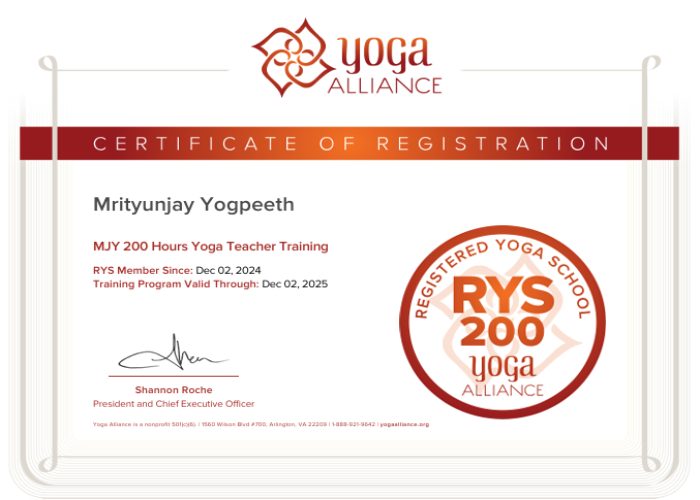
Exploring such data about residential yoga programs requires some diligence and consideration in making comparisons. There are plenty of yoga schools offering teacher training and residential disciplines, so students need to do some research on the options before committing to any. One way is to look into whether the school is accredited by recognised organisations, such as Yoga Alliance. If these kinds of organisations register you with a governing body, this indicates that the programme adhered to certain training standards (they have a specific syllabus and require only X hours logged). It should be noted that just because a yoga program is accredited does not guarantee the quality of your teaching experience; however, it is more representative of how compliance is based on modern educational methodology and general commonality across global Yoga practices.
Another significant aspect to consider is the backgrounds of the instructors’ rosters. Teachers who have studied and practised yoga for a considerable time tend to give more expert knowledge and lived experience into their own teaching. Those teachers arrive able to take students into poses safely and correctly, and also to guide breath work, techniques for meditation and philosophical ideas behind the practice of yoga. A good teacher, after all, is the bridge between occasional practice and fullness of yoga.
Students also must like the school’s academics and the living environment it offers. Different Programs: practice, mediation, philosophy or even didactics. Keeping an eye on students’ experiences and course outlines can give you a good indication of training and the kind of ambience that prevails. In residential courses, where students stay for weeks at the school, a good learning experience should consist of accommodation and food, along with cleanliness and comfort.
Frequently Asked Questions (FAQ)
Are residential yoga courses suitable for beginners?
Yes, there are many residential yoga packages for beginners and advanced practitioners alike. Most begin with basic practices such as asana, pranayama and beginning meditation. Teachers almost always draw students into the material incrementally, piecemeal, so that those who are just being introduced to a body of knowledge don’t find themselves overwhelmed and slowly build their confidence and understanding. Since it’s a structured environment that feels safe, new yogis will find they usually learn how to do poses correctly with less difficulty than practising on their own.
How long do residential yoga courses usually last?
Most schools run residential yoga courses, which can vary in length depending on the programs. These short-format retreats encompass personal practice as well as learning in the form of a condensed lifestyle, running over two to four weeks. However, larger company yoga instructor training is in the form of one month to three months or more. Longer courses may offer to cover topics in greater depth, such as yoga philosophy, anatomy, teaching methodology and advanced practical techniques.
What should students bring to the program?
Students usually dress up in yoga clothes (comfort-fitting with at least a little to provide no hindrance while practising). Personal items may include toiletries, a reusable water bottle, notepads for taking notes in sessions and simple meditation devices if you’d like. Most yoga studios offer basic equipment, such as mats, blocks and cushions, but some students bring their own mat for the sake of comfort and familiarity. When students have adequately prepared for the program, they fall into place comfortably and can focus on their learning adventure.
Are residential yoga programs physically demanding?
At most residential yoga programs, daily (or twice-a-day) practice is the norm. Most can also accommodate varying abilities, and instructors of classes like piano or Pilates provide participants with options to work out at their own safe and comfortable pace. When they are provided by teachers, or alternatives for beginners, or those with physical limitations. Students grow in strength, flexibility, and endurance over the course of several classes, naturally offering up balance (proportion) as well as continuity of their practice.
Conclusion
For yoga students, a residential yoga course is the best way to learn yoga in a holy place that embodies the spiritual and historical ideology of Yoga. For centuries, it was a pilgrimage for sages, yogis and spiritual seekers who came here to meditate and study higher philosophy. Tucked at the foot of the Himalayas and alongside tributaries that feed India’s holy Ganges River, Rishikesh offers a quiet setting for contemplation and focused practice. The pastoral calm of the environment with purifying mountain air creates a perfect ambience for the students to absorb and learn. Many students practice yoga here, in a space where their studies take on more meaning, by experiencing yoga both as a physical discipline and an inner awareness/spiritual journey.
Over time, daily intensive practice and mentorship with senior teachers help students to understand yoga more holistically as a way of life. Most of the courses will have a balance between meditation and pranayama practice and asana with theoretical study. These are all practices that do indeed encourage students to find out where their body meets breath and mind while developing strength in the asanas, but also clarity of thoughts. The philosophy classes and reflective practices help students crawl deeper into the concept behind yogic traditions. Over time, most participants discover that yoga is more than exercise; it is a system for achieving balance, mindfulness and well-being.
The bond among participants is a positive by-product of residential yoga programs. They are made for learning and living together; students can support one another along their yoga journey, as well as share unique perspectives with each other. There is often a level of detail and nuance to any given topic that can only be revealed through discussions with your fellow students or teachers. For many, a residential yoga training will be much more than just another course, but rather a journey of discovery and personal growth. Through dedicated practice, meditation and deep thinking, students can even develop a significantly improved awareness of their habits, thoughts and lifestyle factors. Tat, Rishikesh residential yoga courses set the stage for starting or strengthening a life-long journey of learning and self-awareness.