Yoga exists as a complete system that brings together three elements: body, mind, and breath through its basic traditional practice. The category of yoga postures contains a special group of inversions that create transformational effects. The body needs to be turned upside down to create changes that affect both physical and mental states. The body experiences this reversal as a system that boosts circulation while activating the nervous system and producing deep inner awareness. People who practice modern yoga show both interest and fear towards inversions because they provide deep,p relaxing advantages when performed with awareness.
Plough Pose exists as one of the most recognised classical inversion poses, which people call Halasana. The practice appears simple to perform, yet it contains multiple levels of difficulty. The exercise provides a light yet strong spinal stretch while it relieves back tension and creates mental serenity. Halasana exists as a traditional yoga pose that practitioners should perform after they have completed Shoulder Stand because this sequence helps them develop spinal flexibility and achieve body energy balance. Quiet meditation serves as an essential practice component that every yoga session needs to achieve its complete value.
The advanced variations of Halasana provide practitioners with a deeper experience. The variations enable practitioners to achieve better body control by enhancing their awareness skills while developing their ability to connect breath with movement. The practices foster stability and discipline while creating ease through their techniques, which lead practitioners to understand yoga as an inner journey instead of a race to achieve perfection.
Understanding Plough Pose (Halasana)
The word Halasana comes from Sanskrit, where “Hala” means “plough” and “Asana” means “pose“. The name of this posture originates from a traditional agricultural implement that represents the processes of farming, research, development, and transformation. Through its practice, Halasana enables practitioners to establish mind-body readiness, which leads to heightened awareness and emotional steadiness. The practice of yoga shows its true nature through its ability to bring users through internal development instead of relying on external methods.
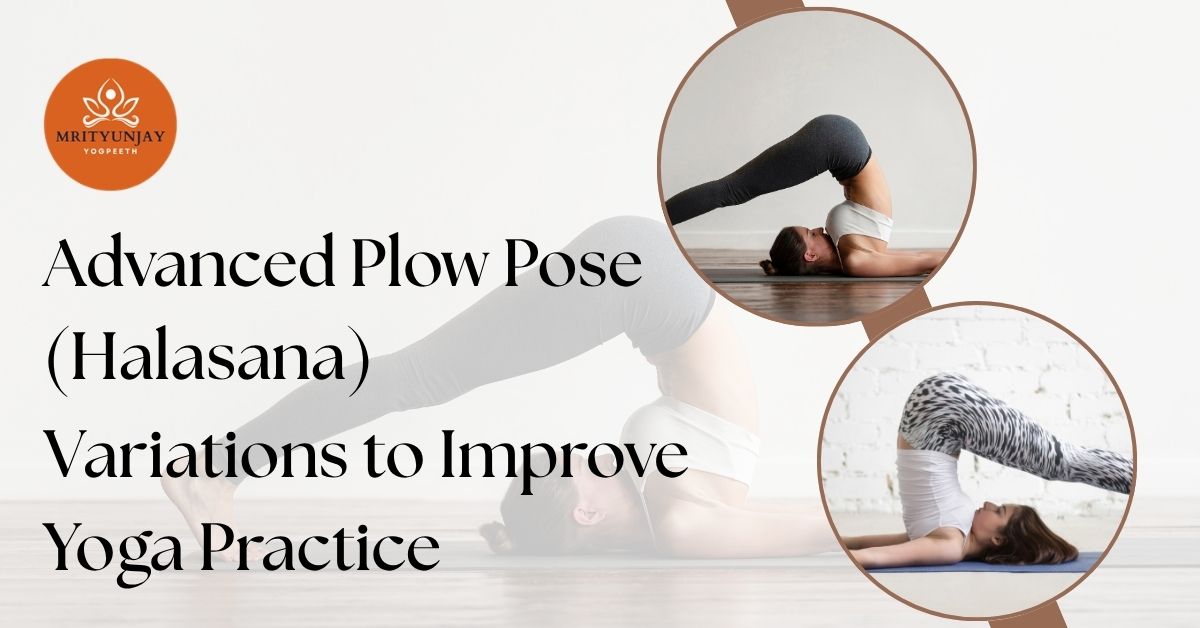
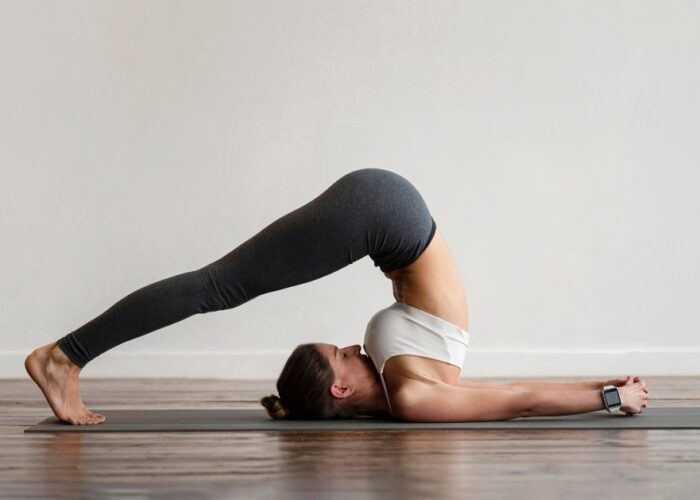
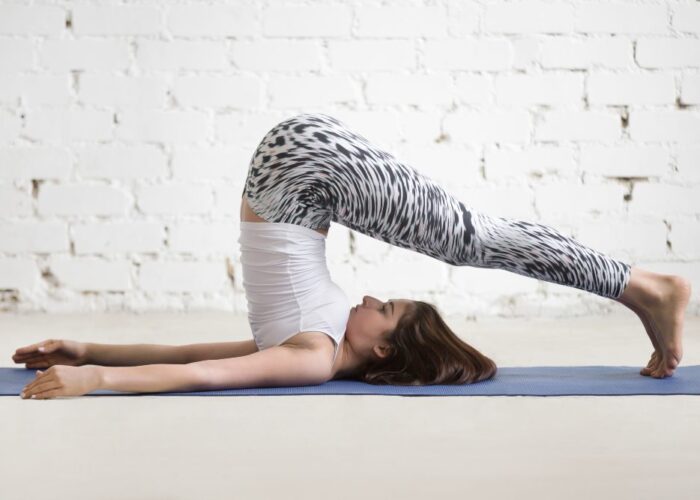
The practitioner performs this pose by lying on their back and raising their legs to a vertical position until their toes touch or reach the ground behind their head. The spine naturally rounds, creating a deep stretch along the back body. The practitioner requires correct body positioning because they need to distribute their body weight through their shoulders while avoiding neck pressure to prevent injuries. The arms have two options, which enable them to either press down onto the ground for better support or use their arms to back up their lower body, according to how they feel and their skills at handling different situations. The body positioning through this method enables the practitioner to maintain stability while their body enters the resting state of the yoga pose.
Halasana delivers multiple health advantages, which include both physical benefits and invisible benefits. The exercise provides a complete body stretch that targets the spine, shoulders, and hamstrings, while it also generates mild abdominal organ stimulation to enhance both digestive and metabolic processes. The energetic aspect of the practice is linked with throat activation, which enables practitioners to achieve clear self-expression and effective communication skills. The traditional sequence of Halasana starts with Shoulder Stand (Sarvangasana), which creates a balanced sequence that connects two opposing body positions through Halasana practice. The combination of these two elements establishes symmetrical body equilibrium, which creates essential physical support for practitioners to master advanced body techniques.
Preparing the Body for Advanced Variations
The body needs special protection through controlled body movements before beginning advanced Halasana training. The body requires proper preparation because sensitive body parts, especially the neck and lower back, face an increased danger of strain without it. The body achieves safe practice through warm-up exercises that develop both mobility and stability, which practitioners need to perform their exercises. The body responds to preparation time better than good posture, which practitioners should take the time to practice.
Halasana requires complete spinal control because the pose requires people to flex their spines forward. The Cat-Cow sequence, combined with seated forward bends and supine leg lifts, helps people develop better spinal flexibility and awareness. The preparatory actions provide easier movement into the posture, which enables practitioners to maintain their balance. Engaging core muscles helps strengthen the lower back muscles, which creates stability during transitions while controlling core activities, which leads to smoother transitions through the experience.
The body requires both hamstring flexibility and shoulder joint openness. The body experiences movement restrictions because of tight hamstrings, which also force extra weight onto the lower back. The practice of Standing Forward Fold and Reclining Hand-to-Big-Toe Pose stretches helps people develop their flexibility skills. Shoulder-opening exercises also help create a stable base. The body achieves tension release through steady breathing, which people maintain during the pose, which establishes a safe foundation for pose progression.
Benefits of Practising Advanced Variations
Practising advanced variations enhances strength, flexibility, and body control while deepening mind-body awareness. It improves balance, coordination, and endurance, challenges physical limits, and supports overall progression in yoga through disciplined practice, proper alignment, and consistent effort.
Deepens Awareness and Control
The advanced Halasana variants exceed their physical challenges because they provide benefits beyond measurement. The practice of these exercises develops your ability to maintain equilibrium while executing dynamic body movements. The practice develops sustained mindfulness through its focus on internal body experiences rather than external physical postures.
Improves Spinal Mobility and Posture
The practice of various yoga styles presents a safe method that lets practitioners explore different spine movements by modifying their body alignment and muscle use. The practice develops both flexibility and strength in the muscles that maintain the spinal structure. The body develops better alignment through time,e which leads to increased flexibility and decreased body tightness during normal activities.
Builds Core Strength and Stability
The majority of advanced movements demand precise execution with controlled body shifts and sustained stability, which results in deeper core activation. A strong core system enables better lower back protection and enhances body control and movement efficiency. Increased muscle strength results in improved performance across different yoga poses.
Supports Circulation and Nervous System Balance
Halasana performs an inversion movement that directs blood flow towards the upper body while supporting complete body circulation. The advanced variations create a slow, controlled practice which helps to reduce nervous system activity and produce a state of body relaxation.
Enhances Mental Focus and Patience
The different variations demand the practitioner to concentrate while they maintain their breathing pattern and proceed with their movements. The activity develops both mental concentration skills and self-control abilities. Regular practice leads to two outcomes, which include developing patience and helping practitioners maintain their current state of mind while practising yoga. The practice of yoga becomes both physical and meditative for practitioners.
Safety Guidelines and Contraindications
Halasana and its advanced variations provide substantial advantages that require practitioners to execute their movements with complete concentration. The neck is especially sensitive in this posture, and improper alignment can easily lead to strain or discomfort. The body weight should be distributed through the shoulder area because this method prevents pressure from reaching the neck area. Practising the pose requires proper alignment because it protects the neck while enabling safer and more comfortable execution of the pose.
Some people must exercise greater caution when they perform this yoga position. People who have neck injuries, high blood pressure, and current spinal problems should either modify their posture or avoid it altogether. A qualified yoga teacher or healthcare professional provides guidance that helps people understand their situation while reducing potential risks.
Awareness and control remain critical elements for maintaining safety in the pose, although props and adjustments better enable practitioners to execute the position.
The use of folded blankets as shoulder supports enables people to experience reduced neck pressure. The slight elevation maintains the cervical spine’s natural curve while delivering enhanced stability through its new base. Practising on a firm yet comfortable surface provides better support, which leads to improved balance. The body requires an essential element that people should follow above everything else. Yoga practice enables people to understand their boundaries better than it allows them to push themselves beyond their limits. People should exit the pose whenever they experience discomfort, particularly in their neck area. The user should exit the pose to establish a better understanding of their body because they need to adjust their position.
Advanced Plough Pose Variations
Advanced Plough Pose variations involve deeper spinal flexibility, controlled alignment, and increased strength. These variations enhance core stability, improve circulation, and challenge balance while requiring proper technique, gradual progression, and mindful breathing for safe practice.
Karnapidasana (Ear Pressure Pose)
The advanced meditative abilities which practitioners achieve through Karnapidasana practice develop from their training in Halasana. The variation requires the knees to bend while the legs move towards the ears, which results in creating lightweight head pressure that affects both sides of the head. The position gives the person power to stop all outside activities, which enables them to engage in deep self-reflection. The body achieves calmness through the posture, which enables the mind to slow down its activity and reach a state of meditation.
The practitioner needs to start the exercise from Halasana onward by bending their knees to bring them down towards their ears. The body maintains its spine in a flexible, rounded position while the shoulders connect their weight to create a stable base. The practice requires you to breathe in a slow and controlled manner while you enter the pose. The variation extends back and hip stretches while inducing relaxation, but practitioners must use caution because they should not perform abrupt movements or lose control of their bodies.
Parsva Halasana (Side Plough Pose)
The Plough Pose uses the Parsva Halasana and its side leg movement to create soft lateral motion. This variation enables spinal twisting, which activates different muscle groups that enable better spinal movement abilities. The new element of this posture enables users to control their body movements while keeping their shoulder position stable.
The practice begins with Halasana until the practitioner who needs to extend one side of their body lowers their legs to one side while keeping their shoulders from lifting off the mat. The user needs to execute the movements using controlled breathing that creates constant airflow between the two lungs. The user starts by maintaining the position briefly before returning their legs to the centre and then moving their legs to the opposite side. The variation helps users achieve better balance and coordination because it activates their abdominal muscles, but they need to practice safe movements to protect their neck and lower back.
Baddha Hasta Halasana (Bound Hands Variation)
The hands are locked behind the back,which creates a larger shoulder and upper chest opening. The position increases upper body stretch while enhancing stability for the yoga pose. The shoulders move closer together, which creates better support for the posture because it enables the chest to rise and the body to establish better contact with the ground.
The practice begins with the Halasana position, which requires the arms to extend forward until the fingers lock together behind the back. The practitioner must press their arms down into the ground while drawing their shoulders forward to establish a stable and strong foundation. The variation improves body alignment because it helps to develop upper back strength, which leads to better body posture throughout the day. Practitioners must keep their necks in a relaxed state while maintaining equal weight distribution on both shoulders to prevent unnecessary stress.
Eka Pada Halasana (One-Legged Plough Pose)
Eka Pada Halasana provides Plough Pose with its traditional form through the introduction of asymmetrical elements, which create a more complex and dynamic practice experience. The variation requires one leg to remain extended backwards above the head while the other leg moves upward to touch the ceiling. The new shift requires practitioners to develop better balance skills because the new stance requires both balance and control, while body awareness must be maintained during all exercise movements.
The practitioner should start Halasana, then proceed to lift one leg while keeping the other leg on the ground. The movement should proceed in a fluid manner, which requires the practitioner to use their breathing techniques for rhythm control while they maintain their body alignment. The practitioner needs to hold their position for a brief period before switching to the opposite side with equal control. The variation strengthens core muscles while developing coordination skills and increasing flexibility in hamstrings and hip muscles. Mindful practice ensures stability while it helps to decrease the likelihood of strain.
Dynamic Plough Transitions
The practice of Halasana requires practitioners to execute its dynamic transitions by maintaining controlled body movement through stable balance and conscious body awareness. The practice requires practitioners to execute a continuous flow between Shoulder Stand and Plough Pose while performing smooth leg lifts and lowers. The practice supports mindful movement, which allows the body to maintain its active state throughout the session.
The transitions enable practitioners to develop strength and coordination skills while learning how to control their body movements through continuous breathing practice. The practice uses breathing exercises to create a natural rhythm which guides body movements between different exercises. The practice of dynamic movements enables practitioners to achieve better functional postures when they practice at a gradual pace because they need to maintain safety and body alignment through controlled movements.
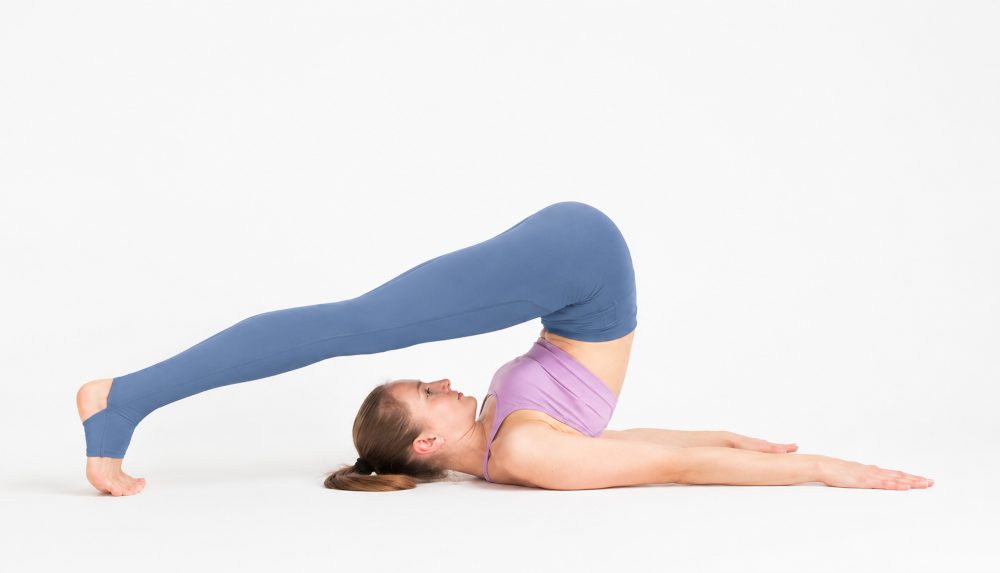
Breath and Awareness in Advanced Practice
The essential function of breathing during yoga practice enables advanced practitioners to enhance their postures. The first phase of Halasana causes breathing difficulties because the pose compresses the abdominal area. The body responds to this situation through its natural mechanisms, which enable breath control to develop after consistent practice. The practitioner uses breath control techniques to maintain their equilibrium during their practice of challenging postures, which require both compactness and intense focus.
The practice of slow and consistent breathing establishes control over the nervous system while promoting body relaxation. The muscles maintain a relaxed state when breathing stays at a steady pace, which helps to protect the neck and shoulder regions from developing excessive tension. The process of focusing on each breath during the pose creates a state of internal stillness. The awareness of our body movement supports our physical balance, which enables us to experience the complete benefits of the yoga position.
The connection between breath and movement holds equal significance. The practice of mindful breathing throughout Halasana entry and exit enables the body to maintain support during transitions, which occur without any sudden movements. Breathing exercises direct each motion, which helps establish a natural movement pattern that protects against physical injuries. The physical practice develops into a meditative state through this coordination, which allows the mind, body, and breath to connect with each other.
Common Mistakes in Advanced Halasana Practice
Common mistakes in advanced Halasana practice include forcing the pose, improper weight distribution, poor alignment, and neglecting breath control. These errors can increase injury risk, reduce effectiveness, and hinder progress, making mindful practice and proper technique essential for safety.
Forcing the Legs to the Ground
Many practitioners try to push their legs to the floor before their body is ready. This creates unnecessary strain on the lower back and neck, increasing the risk of discomfort or injury. Halasana should be approached gradually, allowing flexibility to develop naturally through consistent and patient practice.
Incorrect Weight Distribution
Placing excessive weight on the neck instead of distributing it across the shoulders is a common and risky mistake. The shoulders should act as the primary support to protect the cervical spine. Using props like folded blankets can help maintain proper alignment and reduce pressure on sensitive areas.
Poor Alignment Awareness
Lack of proper body alignment can lead to instability and reduce the effectiveness of the pose. Even small misalignments can create discomfort or strain over time. Paying attention to posture, symmetry, and positioning ensures a safer and more controlled practice.
Holding the Breath
Breath awareness is often overlooked during advanced poses. Holding the breath increases tension in the body and limits the benefits of the posture. Maintaining slow, steady breathing helps the body relax, improves control, and supports deeper, safer engagement in the pose.
Skipping Foundational Practice
Attempting advanced Halasana variations without mastering the basics can lead to injury. A strong foundation in preparatory poses is essential for building strength, flexibility, and body awareness. Gradual progression ensures long-term safety and effectiveness.
Lack of Patience
Rushing into advanced stages without giving the body time to adapt can hinder progress. Yoga is a gradual process that requires consistency and discipline. Patience allows the body to open safely, leading to sustainable improvement and better overall results.
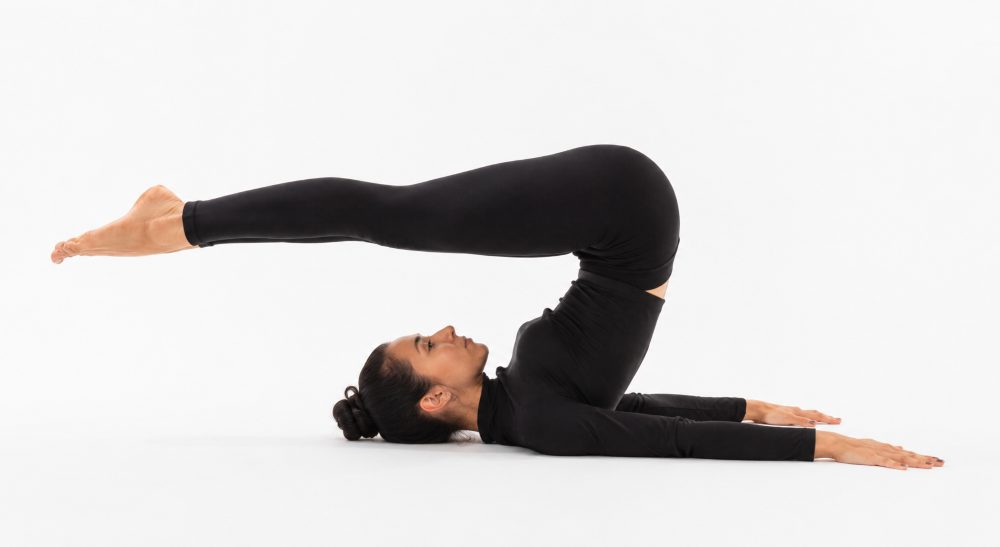
How to Progress Safely
Yoga progress requires three essential elements, which are patience, consistency and awareness. Practitioners of Halasana should take time to learn all its advanced variations, which should start from its basic form. The practice introduces new elements that help the body build strength and flexibility and develop control throughout the entire practice duration. Practising progress through natural development enables practitioners to establish a dependable system that enables their growth to proceed without difficulty.
The use of props such as blankets or blocks can greatly enhance safety and comfort during practice. The supports function as beneficial instruments that assist the body in achieving proper posture through natural movements. The system decreases excessive force,e which affects delicate body parts, particularly the neck and shoulders, and enhances accessibility to the pose. Practising with props builds confidence while helping users to keep their correct body alignment, which changes through time.
Students require a professional instructor to help them develop their skills safely. The teacher provides feedback and training adjustments, which help students improve their body alignment through self-training. Strength and flexibility should be maintained in balance according to essential requirements. Flexibility enables deeper pose movements while strength maintains body stability and movement control. The practice of developing both elements together enables practitioners to achieve a balanced yoga experience,which emphasises mindfulness and effective movement.
Integrating Variations into Your Yoga Routine
Mindful dedication and systematic implementation are necessary for advanced Halasana variations to become integrated into a yoga practice. The postures require practitioners to perform them after completing a proper warm-up because their bodies need to reach an optimal state of flexibility for advanced movements. The process of preparing muscles and joints before the pose enables practitioners to achieve the pose with improved control and movement efficiency, which decreases their risk of strain.
Yoga traditions require practitioners to perform Halasana after they complete Shoulder Stand, which establishes a natural sequence of movement. This sequence enables the body to shift between inversion and forward flexion movements while developing both strength and flexibility. The combination of these poses improves stability throughout the body while helping practitioners maintain a continuous body movement pattern. The practice of both elements together fosters improved body awareness and body coordination skills.
Counterpoises serve as essential elements for establishing body equilibrium, which requires equal attention. After deep forward bending in Halasana, gentle backbends and soft twists assist in releasing spinal tension. This method establishes a neutral position while protecting against muscle tightness. Consistency functions as an essential element that determines progress. Regular short practice sessions deliver better results than practising intensely at unpredictable times. The body builds capacity to handle advanced variations, which become easier for users to handle after extended practice.
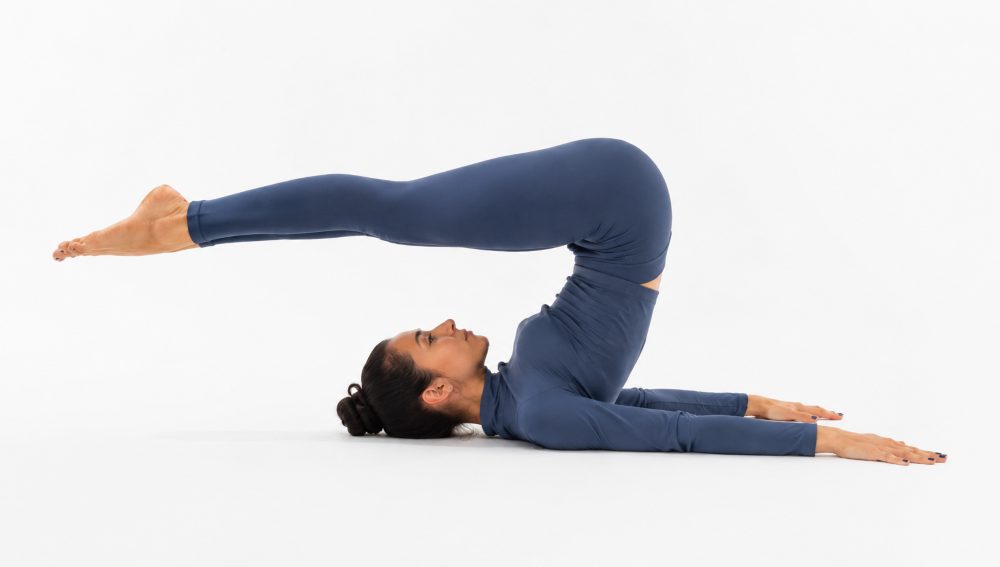
Mind-Body Connection in Inversions
The practice of inversions leads people to self-reflection through their natural tendency to do so. The inverted position of the body transforms perception, which enables people to focus on their internal state of being instead of their external environment. The body needs to change its position because this movement enables people to examine their mental and physical states and their emotional reactions. The practitioner begins to experience deeper inner depth through their practice because they start to notice minor physical and mental shifts which exist throughout their body and mind.
The postures establish a calming effect which helps ground people who experience anxiety throughout their nervous systems. The practice of inversions requires practitioners to establish a slow breathing pattern, which helps them decrease anxiety while achieving balance between their body and mind. The practice of mindfulness enables people to achieve deep concentration, which results in a tranquil state of meditation. The initial feeling of tranquility which develops during yoga practice will grow into an emotional anchor which helps practitioners maintain mental focus throughout their daily activities.
The primary requirement for practising inversions requires practitioners to practice control abandonment. The practice requires practitioners to let their bodies execute the correct posture through their own balance abilities. The process develops self-assurance, which creates a more relaxed response to all types of obstacles. The development of trust creates a new capacity to handle daily challenges with both patience and awareness, and ease.
Role of Consistency and Patience
Dedicated practice of advanced yoga postures requires both time and consistent training. Natural progress occurs throughout the entire journey progression. The practitioner achieves sustainable development through their actual practice, which includes all practice times, regardless of duration. The practice becomes more effective when practitioners permit their bodies to develop at their natural speed instead of pursuing instant outcomes.
The tendency to compare oneself with others leads to performance pressure, which results in self-doubt for people who compare themselves with others. Yoga practitioners establish their individual progress path through their body-based activities, their daily routine, and their dedicated time for yoga practice. Through the practice of inward focus, people learn to maintain awareness of their bodily sensations and breathing patterns and their complete state of awareness, which helps them develop a positive mental outlook. The practice helps people accept themselves, which stops them from pushing themselves beyond their limits of safe operation.
Safe and effective progression relies on the development of patience. The body develops stronger attributes through training when people make time for their bodies to adjust to new physical demands. When practitioners attempt to perform advanced postures before achieving the necessary skills, they create a greater risk of sustaining injuries, which will stop their practice. The process of developing through concrete actions establishes trust and leads to permanent stability. The gradual development process of yoga practice makes the entire yoga experience more meaningful and satisfying.
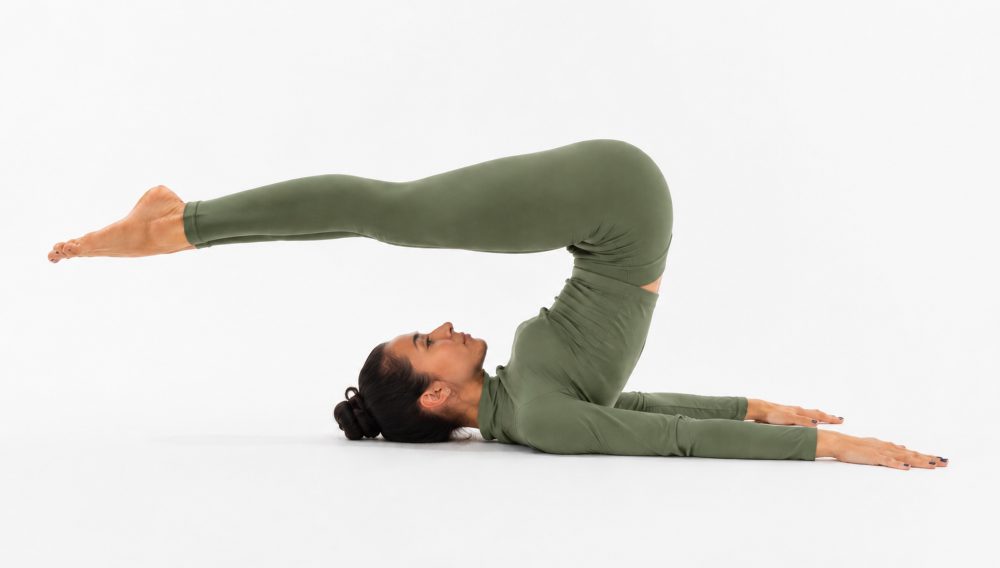
Benefits of Mastering Advanced Variations
Mastering advanced variations enhances strength, flexibility, and body control while deepening the mind-body connection. It improves balance, endurance, and alignment, allowing practitioners to progress safely and confidently while achieving greater awareness, stability, and overall efficiency in their yoga practice.
Improves Posture and Spinal Health
Advanced Halasana practice improves spinal health through its various advanced test exercises. The postures enable the body to stretch and strengthen spinal muscles, which leads to better alignment results throughout the practice. Daily activities become easier when the body develops greater flexibility since it can achieve a healthier and more upright standing position. The treatment method provides relief from stiffness, together with discomfort, which results from extended periods of sitting and improper postural practices.
Enhances Flexibility and Strength
The advanced variations demand practitioners to possess both strength and flexibility in order to execute their movements correctly and to reach their full potential. The deep stretch along the back body, which includes the hamstrings and shoulders, leads to enhanced overall mobility. The process of engaging both core muscles and supporting muscles enables people to develop strength and stability. The body achieves functional and resilient movement through developing both strength and flexibility capabilities.
Develops Body Awareness
The postures enable practitioners to explore the mechanics of human movement and the body’s reactions to different movements. Practitioners who learn to identify their body alignment together with their balance and breathing patterns will establish a stronger bond with their mental and physical condition. The yoga mat creates awareness, which enables people to use mindfulness during their daily activities while selecting healthier options for their personal fitness.
Supports Stress Management and Relaxation
The practice of inverted poses, such as Halasana, provides practitioners with a soothing experience that helps their nervous system function better. The practice of these exercises results in more relaxed muscles, which helps people experience better stress control and physical peace. The practice of these exercises leads to reduced mental stress, better concentration abilities, and emotional stability.
Improves Sleep and Mental Clarity
These postures create a peaceful mind while they decrease stress levels, which helps people achieve better sleep results. The body enters a restful state through a relaxed nervous system, which enables deeper sleep, while better circulation and mental focus throughout the day improve clarity and concentration.
Frequently Asked Questions (FAQ)
1. Is Plough Pose safe for beginners?
Beginners can practice Plough Pose because they need guidance with proper alignment and blanket support. The best approach to learning basic variations starts with basic variations and direct instruction from qualified teachers because this method protects against neck and lower back injuries.
2. How long should I hold advanced variations?
The duration of advanced variations should be maintained for 5 to 10 slow breaths, which depends on your comfort level and experience. The practice requires you to keep your body aligned while you breathe steadily, and you should extend your practice time as your strength, flexibility, and control abilities grow.
3. Can I practice Halasana daily?
Your flexibility, spinal mobility, and strength will develop through regular practice of the exercise. Your body requires you to select gentler exercise options or take shorter workout breaks when you experience fatigue or muscular tightness.
4. What should I do if I feel neck discomfort?
The first step to handle neck pain should be to leave the yoga position. The practitioner should check their alignment while decreasing neck tension and using supportive props to adjust their position. The teacher provides students with guidance, which helps them practice safely.
5. Do I need a teacher for advanced variations?
A teacher is necessary for students who want to learn advanced techniques. The instructors provide students with customized assistance to correct their posture and obtain safe practice while enhancing their skills and building confidence.
Conclusion
The advanced variations of Plough Pose provide practitioners with a valuable tool to deepen their yoga practice. The practice enables practitioners to develop both physical flexibility and mental clarity and emotional stability. Through mindful practice and proper respect, practitioners can use these postures to examine delicate aspects which involve movement patterns and breathing techniques, and states of complete stillness. The practice now concentrates on learning body mechanics, which enable practitioners to bond with themselves at a more profound level than simply achieving pose formation.
Yoga embodies balance through its fundamental practice, which centres on maintaining equilibrium. The path to advanced postures requires practitioners to progress through gradual steps while they pay attention to their body’s responses and keep practising. The most valuable results emerge from sustained minor actions rather than from excessive exertion. Individuals can create a robust and enduring base that enables both physical and mental health development through boundary respect and patient practice.
Yoga exists as a permanent development process which leads practitioners toward an unending journey. The advanced variations function as intermediate checkpoints which lead to upcoming advancements. Through time, dedication, and dedicated practice, yoga evolves into a powerful tool which enables self-exploration, internal peace and personal strength. The practice development process reaches its maximum value through patient dedication to this path.