The practice of yoga demonstrates its broad development through its dynamic flow and complex postures, which people prefer to see. Seated poses hold a quieter yet deeply significant role because they serve as the main support for meditation practice, breath work, and inner awareness activities. The practice of standing and balancing postures enables people to develop physical strength and flexibility, but true yoga practice reveals its deeper aspects through the practice of stillness. The practice of seated positions enables the body to achieve relaxation while the mind focuses on inner thought,s which establishes a natural link between physical activities and mental clarity.
Sukhasana or Easy Pose stands out among these options because of its basic design, which anyone can practice. The exercise becomes appropriate for most people because it does not require advanced strength or flexibility skills. The exercise maintains its gentle characteristics while delivering users a safe foundation that supports breathing exercises and meditation. For many practitioners, Sukhasana is the first step toward developing awareness in stillness. When people practice it with mindful awareness, they gain physical comfort together with a tranquil yet concentrated mental state.
People find it difficult to practice quiet sitting because their modern lives require them to keep moving while dealing with various interruptions. The practice of Sukhasana enables people to experience a slower pace, which helps them connect with their current moment experience. The practice of yoga extends beyond physical postures because it helps practitioners develop both awareness and balance skills. The basic sitting position requires nothing more than time, which turns into an essential yoga method. Stillness functions as an essential part of yoga practice because it becomes an important element of the practice.
Understanding Sukhasana (Easy Pose)
The word “Sukhasana” comes from two Sanskrit words that combine to create its meaning. The term refers to a seat that provides both comfort and stability to people who use it. The practice of Sukhasana allows people to sit without following strict leg positions because it does not require advanced leg flexibility skills. The posture enables people at all experience levels to practice because it helps them concentrate on their body awareness and comfort instead of needing to work physically.
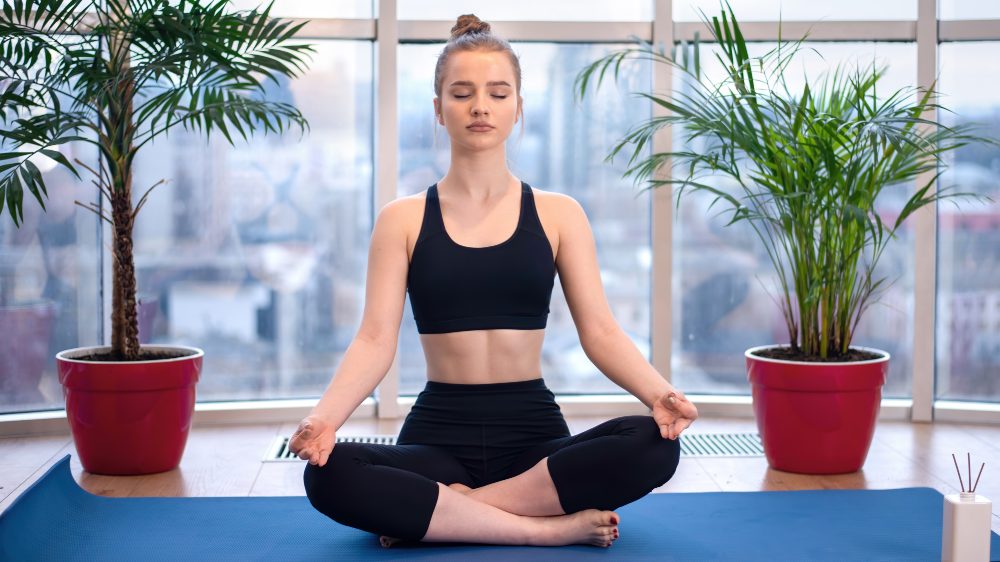
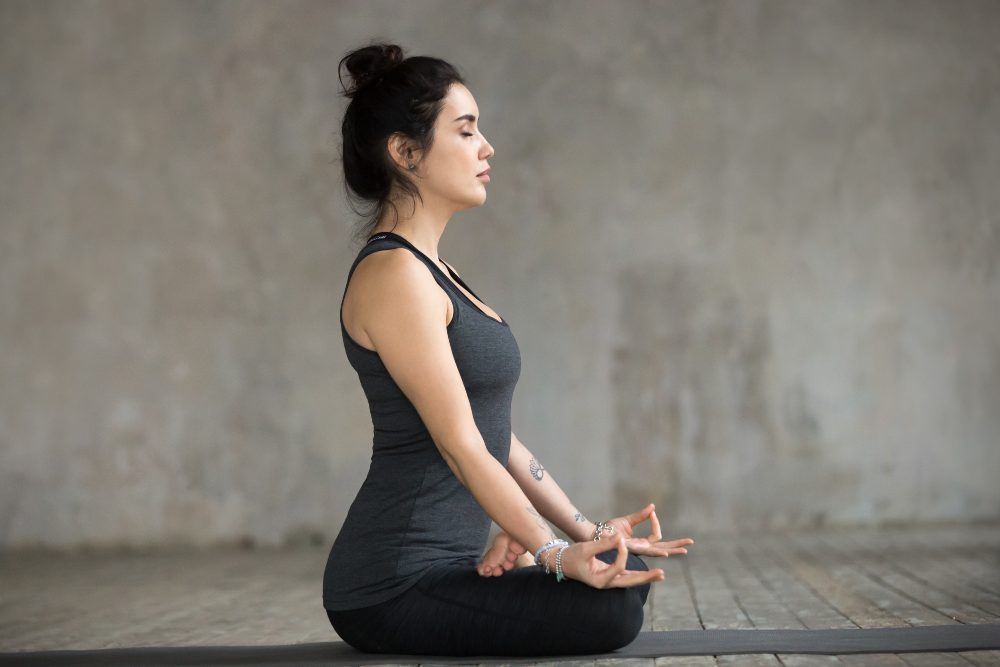
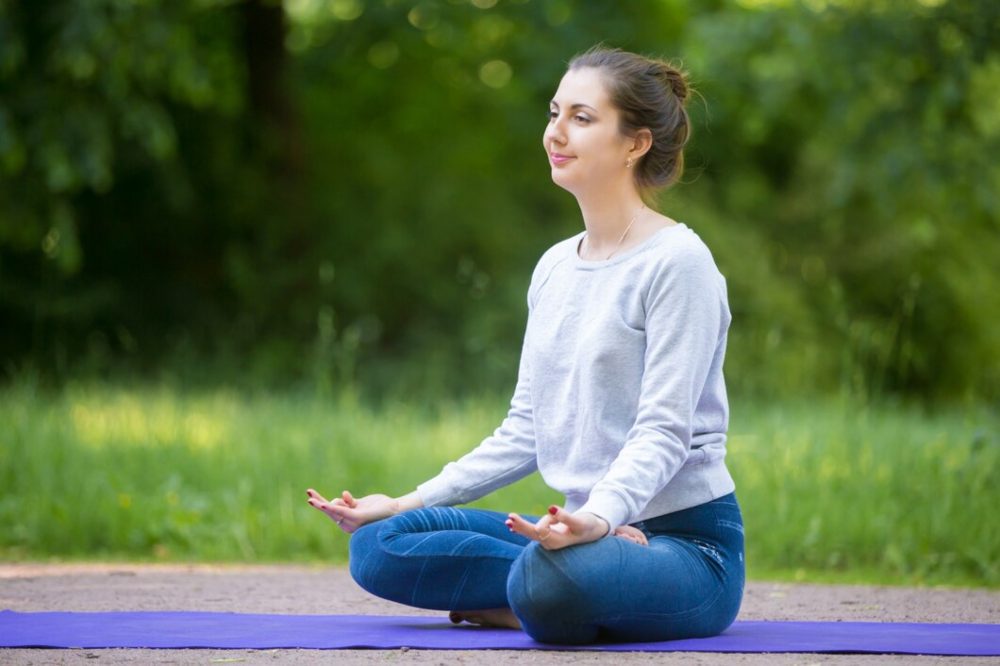
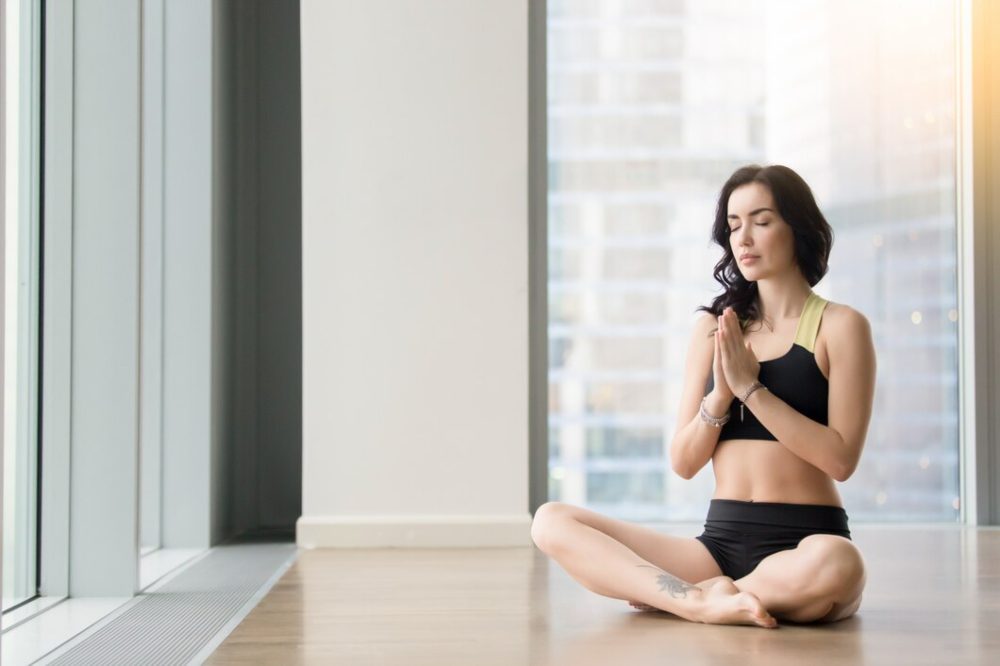
Sukhasana appears as a basic cross-legged sitting position, which requires users to stretch their legs into a cross-legged position while they keep their back straight and their hands rest on their knees or thighs in a natural manner. The pose contains its actual worth, which extends beyond its basic appearance. The process requires the identification of a body posture that enables complete physical relaxation, together with ongoing mental alertness. The essential quality of Sukhasana exists because it combines two opposing states, which generate a state of balanced existence.
Meditation and breathing exercises started with Sukhasana as the main meditation and breathing practice base position. Yoga teachings instruct students to secure their sitting position because it helps them maintain focus and control their breathing. Sukhasana continues to hold strong significance within current yoga traditions. The practice starts or ends sessions through this method, which creates a space for practitioners to collect their thoughts. The practice enables people to maintain present-moment awareness through their activities throughout the day.
Preparing the Body for Sukhasana
The easy pose of Sukhasana becomes difficult for people because they need to sit cross-legged, yet they usually sit in chairs for extended periods. People experience difficulty with cross-legged sitting because their bodies have tight hips, stiff knees, and weak or fatigued lower back muscles. The body requires proper preparation because unpreparedness will cause body resistance to the posture,, re which results in strain instead of relaxation. Body preparation requires time because it establishes an environment that helps sustain the experience while making the pose more natural and comfortable.
The hips require movement to execute this posture correctly. The knee angle increases when the hip joints lack flexibility because the knees rise above the pelvis, which results in lower back pressure development. People can enhance their mobility by performing gentle hip-opening exercises, which include butterfly stretches and basic forward bends. The practices that people need to execute do not require them to practice with high levels of intensity and power. The body develops better flexibility through consistent practice, which allows sitting to become easier for users who want stable positions.
Back health requires equal spine care. An upright spine enables better breathing while it decreases excessive bodily tension. The back muscles become active through simple movements, which include cat-cow and gentle twists, which also promote correct body alignment. Physical preparation needs to happen together with awareness, which needs to exist as a fundamental element. The body observation process needs to happen before entering the pose because it helps avoid discomfort. When both body and mind are prepared, Sukhasana becomes a comfortable balancing posture instead of a difficult position.
Step-by-Step Guide to Sukhasana
- When you cross your legs, you should first sit down while keeping one foot under your knee. The shins must splay out in this relaxed triangle. Natural leg positions should occur because people need to rest their legs in an unforced way.
- Your next task requires you to study the area around your hips. The pelvis needs to move forward, which enables weight distribution between the sitting bones. The most fundamental version of spinal integrity requires protection through all its basic elements. Use a folded blanket or any other cushion that helps with support when you experience lower back rounding during sitting.
- The body needs to maintain vertebrae in an upright stance, which allows unrestricted body movement. The body needs to maintain eye contact, while the shoulder position must stay low. The chest opens up, which enables natural breathing. The chin tuck gently repositions the neck to the centre in line with the spine.
- You complete the movement by placing your hands on your knees or thighs. You could also have your palms facing up or facing down, just whatever feels good for you. Close the eyes, or soften the gaze, and start to find an awareness of the breath. The goal requires the development of a stable position that remains flexible.
Breathing in Sukhasana
Sukhasana meditation is usually performed from a basic sitting position, where one practices the techniques of breathing to achieve the depth of a meditative state. The breath comes into its comfortable, natural rhythm as the mind begins to settle enough to focus on the breathing. The first step in the process is the observation of the breathing pattern. Gentle awareness helps to calm the mind and to experience the present moment. My breath is consistent, allowing me to focus on my insides.
Plebs in real life are very shallow breathers themselves because of the tension in their bodies, their stress levels, and their wrong way of sitting. Due to the way that the position of Sukhasana is utilised, it helps its practitioner to use their diaphragm as it keeps their body upright and their spine straight. Because it requires no physical movement, the method allows people to breathe profoundly and organically. Breath relaxes as the body releases its tension, and at some point, breath runs with a slow rhythm (return to a normal breathing pattern). People can simply sit in awareness and let them breathe without having to do it with any effort or control over their breathing.
Diaphragm breathing: Belly breathing serves as a practice technique for Sukhasana. It also helps raise the abdomen when inhaling and lower it when exhaling. The method of this Breathing teaches the body to enter its relaxed state, which in turn releases tension from the body and brings tranquillity. We will turn Sukhasana into meditation through the consistent practice of breath awareness. The inner noise of the mind settles, causing attention to improve at the same time as breathing becomes a bridge between our physical form and our flow state.
Meditation in Sukhasana
Buddhist practitioners use Sukhasana for their meditation sessions because the pose provides practitioners with both physical comfort and mental focus. The body maintains a relaxed state through sitting, which enables people to stay awake, whereas standing requires them to use their body power. The body achieves stability,y which enables the body to maintain physical relaxation while the mind maintains mental focus. The process provides people with an improved ability to control their attention because it helps them stay focused without experiencing unnecessary physical challenges or mental interruptions.
The simplest way to start meditation in Sukhasana involves using breath as the main point of concentration. The person should watch their breathing pattern, which shows how air enters and leaves their body. The mind will naturally shift its focus to different thoughts because this behaviour happens during the initial meditation practice. The practitioner needs to return their focus to their breathing pattern because this task requires them to stay calm without feeling annoyed about their current state. The process needs to be done multiple times, which leads to improved focus abilities and better development of mindfulness skills.
The open awareness practice serves as an additional successful technique. The method requires you to observe your thoughts, emotions, and physical sensations as they occur without any attempts to modify those experiences. The practice establishes a mental barrier that separates people from their unending thought patterns to enable them to become mentally clear and peaceful. Daily practice of only a few minutes can produce positive changes. People can practice meditation throughout their daily routines because Sukhasana provides them with a constant and pleasant physical stance.
Benefits of Practising Sukhasana
The primary advantage which Sukhasana provides to practitioners is improved body alignment. The person maintains an upright position while remaining relaxed, which activates back and core muscles. The method helps people decrease slouching and sitting-related effects which occur through their daily modern activities. Sukhasana practices enable natural spinal alignment, which brings users both physical relief and spine health benefits that last.
Sukhasana provides physical advantages while improving mental focus and clarity. The combination of stillness and mindful breathing creates a state which helps the nervous system to rest while the mind achieves a tranquil mental state. The mind becomes better at focusing on the present moment when distractions occur at a lower level. The mind develops a state of balance, which helps people handle daily situations through mindful awareness instead of anxious responses.
Sukhasana provides people with essential support for their total health needs. The body uses this posture to decrease its state of tension while entering a period of relaxation through the process of breathing slowly. The technique helps people decrease stress levels while they experience increased inner peace. The practice of sitting in silence provides an opportunity for people to become more aware of themselves because they can observe their inner thoughts and feelings without making instant responses. The practice leads to improved mindfulness skills along with a more balanced life approach, which develops throughout time.
Common Mistakes in Sukhasana Practice
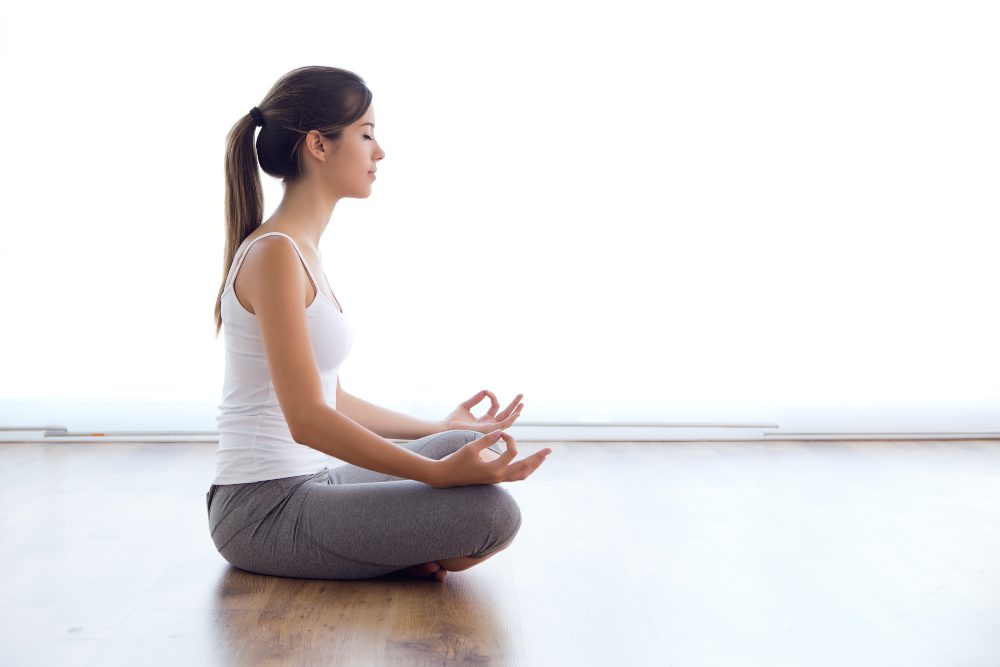
- The most frequent error people make involves slouching their spines. Back rounding restricts breathing and causes lower back pain. People need to maintain a natural upright posture because it helps them stay comfortable while working efficiently.
- People make another error when they attempt to press their knees down to the ground. The action creates extra stress, which impacts both the hips and knees. The legs need to rest in their natural state while the knees remain lifted.
- People often experience shoulder and facial muscle tension. People develop stress patterns that control their body movements. Body awareness,s combined with muscle relaxation, helps people achieve better results.
- People tend to overlook their physical pain. The body needs adjustments when it shows signs of numbness and pain. People can avoid physical stress injuries by following their body signals, which require them to adjust their activities.
Modifications and Props
Different practitioners find the Sukhasana practice more accessible through prop usage, which enhances their ability to perform the pose. Practitioners achieve better hip positioning through the use of a folded blanket, a cushion or a yoga block for seating. The simple adjustment helps the legs to relax in a natural way while it protects the lower back from excessive pressure. The pelvis needs this support because it helps maintain an upright spine position whi, which makes the posture more secure and easier to hold.
Wall seating provides additional support for people who require it. The wall functions as a mild back support, which helps users maintain correct posture while they need to sit for extended time durations. This method benefits beginners and people who suffer from back pain. The extra support helps maintain correct body alignment while enabling the body to stay in a comfortable position.
A chair-based variation is another practical option for those who find it difficult to sit on the floor. Sukhasana postures provide many benefits that can be achieved through chair sitting when a person sits with their feet on the floor and their back straight. The practice becomes accessible to all participants who have different requirements through this method. Using props or modifications does not create restrictions because it demonstrates that the practitioner understands their own needs. The method enables each individual to modify their body position for better safety and comfort during their workout session.
How to Sit Comfortably for Longer Durations
The ability to sustain comfortable sitting in Sukhasana develops through gradual training that requires extended time. The initial sitting period needs to start with short time increments that need to extend through practice until the body learns to maintain the sitting position. People who attempt to maintain their sitting position for extended periods without proper preparation will experience discomfort, together with frustration, which will make it difficult for them to continue their practice. The process requires people to maintain their ability to wait. The body achieves better stillness because hip muscles, back muscles,s and core muscles undergo progressive strength building and adaptation. The gradual process enables people to experience the posture as natural instead of artificial.
People achieve better comfort during their practice sessions through the implementation of small yet purposeful changes. The practice of Sukhasana requires practitioners to maintain a state of partial bodily relaxation while achieving their desired stability. Minor weight change,,s together with leg movements and spine shifts,, enable practitioners to relieve muscular tension while keeping their current body position. The micro-movements perform their function as movements which help practitioners maintain their standing position until the end of their session. The people who practice yoga through gentle body responses will create a better sitting experience,c,e which requires less physical energy.
The practice of Sukhasana requires practitioners to recognise their physical sensations because this knowledge helps them maintain their optimal level of comfort. Regular body observation teaches practitioners to recognise their body sensations, which help them detect hip and shoulder and lower back tension that has developed in their bodies. The implementation of early discomfort detection enables practitioners to resolve their issues through minor changes or by relaxing particular muscles. The process protects against the development of pain from initial discomfort. Sukhasana requires practitioners to find a position which provides them with physical stability and comfort, and strong support. The body becomes easier to control when a person achieves stillness through a comfortable posture, which enables their mind to enter a deep state of practice.
Integrating Sukhasana into Daily Practice
Sukhasana provides practitioners with calming and awareness-building opportunities that they can use throughout their daily activities. The practice of this morning posture delivers its strongest advantages because it establishes mental clarity, ty which helps prepare for the upcoming day. The mind requires a few minutes of silent sitting to achieve mental calmness, while the body needs time to transition into active states. The small practice of this habit during the day creates various effects that lead to more balanced and mindful execution of daily activities.
Sukhasana provides practitioners with a perfect posture that they can use for both morning practice and pranayama and meditation sessions. The posture provides stable and comfortable support, which allows users to concentrate on their breath or their mental state without needing to shift their position. The body and mind develop a familiarity with the seated position, which becomes a signal for them to experience deep stillness and heightened awareness when people practice it frequently. The practice of meditation, through consistent meditation practice, enables people to reach better states of focus and relaxation through the development of natural meditation abilities.
Sukhasana serves as a valuable position to end yoga sessions. The practice establishes the need for this posture because it creates a silent space which allows practitioners to feel the effects of their movements and stretching exercises. This process reaches a point of introspection, which causes the breath to decrease its speed while the body returns to a state of relaxation. The advantages of Sukhasana practice require users to practice it for less than one hour at a time. The practice of even three daily minutes delivers significant results that develop throughout the day. The practice of Sukhasana becomes a dependable method that people use to achieve inner peace, mental presence, and life balance through their practice of maintaining basic and regular practices.
Mind-Body Connection in Sukhasana
The practice of Sukhasana requires practitioners to remain still, which produces a visible effect on their nervous system. The body requires a quiet and steady state, which sends a signal for the body to move from active time into periods of rest. The process brings about relaxation while it decreases breath speed and internal body tension. The body remains alert in modern times, but three minutes of controlled motionless time brings the body back into harmony. The body learns through this method to develop peaceful responses that replace its automatic reactions to outside events.
Sukhasana also encourages a gradual turning inward. The human body reaches a stable state, which prevents outside interruptions from occurring. The human body creates breathing patterns that enable people to experience their inner thoughts more deeply. The practice of inward concentration enables people to better understand their physical and emotional states because it helps them link their mental state with their bodily experience. The body needs time to rest from its constant state of sensory input because this moment allows people to track their internal processes.
Practitioners of this technique need to develop the skill of watching their thoughts without showing any reaction to them. The practice of Sukhasana provides people with a space to observe their thoughts and emotions without getting carried away by them. The development of emotional stability will progress through time because people learn to manage their reactions while developing awareness of their feelings. The deepening process of awareness demonstrates yoga’s essential nature because it requires both mind and body to function together as one. The practice of Sukhasana offers people an effective way to build their inner balance through a simple method that connects their mind and body.
Role of Consistency and Patience
- Sukhasana practice requires an extended period of time before it can be mastered. The body needs time to adjust to the posture while the mind develops greater comfort with stillness during the process. The process of this journey should not be rushed because it leads to both discomfort and useless mental strain.
- You should not measure your practice by evaluating how other people perform their practices. Different bodies have different needs because people experience different levels of flexibility and comfort. Your personal experience should be your main focus because it creates a better environment to learn through practice.
- People become better at their tasks through repeated practice, which helps them develop expertise. The human body and mind develop better Sukhasana practice through daily practice, which makes the posture their normal way of sitting. Daily practice strengthens both meditation practice and mindfulness practice.
- Through patience, people can achieve their goals through steady progress, which creates important changes. Regular practice of small tasks will produce significant results after a period of time. Sukhasana practice teaches students that yoga progress occurs through gradual change, which produces deep results.
Benefits of Mastering Sukhasana
You can achieve deeper meditation through Sukhasana because it provides you with a stable and comfortable base, which allows you to sit for longer periods. The body needs to be at complete rest because proper support enables people to maintain silence for extended periods without losing their focus. The body achieves physical stability, which enables the mind to reach a state where it can concentrate better and achieve greater mental focus. The mind maintains its attention through meditation, which develops greater effectiveness and significance throughout the practice.
The human body gains better postural support through Sukhasana when people practice it regularly. The process of maintaining an upright position with full awareness leads to back muscles and core muscles being activated,e,d which helps to maintain correct spine position. The process of desk work provides advantages to people who need to spend extended time in office chairs. The body develops better equilibrium and strength through time, while the typical muscle discomfort that comes from incorrect body alignment starts to decrease. The small physical changes lead to improved health, which makes daily activities easier to perform.
Sukhasana gives people a mental and emotional space, which enables them to achieve inner peace, deep self-examination, and the development of self-awareness. The body remains still in this position, which helps the mind to achieve its slowest state of operation while the person experiences reduced stress levels and their body reaches a state of equilibrium. People who practice regularly develop the ability to watch their thoughts along with their feelings without reacting immediately,y which leads to better emotional control. People who want to live a mindful life should learn to control their body comfort through Sukhasana because this practice connects their body and mind.
Frequently Asked Questions (FAQ)
1. Is Sukhasana really beneficial if it looks so simple?
The simple nature of Sukhasana enables practitioners to meditate while breathing and developing their awareness skills. The ability to sit for extended periods in this position enables practitioners to achieve better focus, emotional control, and self-awareness, which serves as a strong base for their mindfulness practice and inner self-discovery.
2. How long should I sit in Sukhasana?
The selection of seats depends on the comfort level and the experience of the user. Beginners should begin their practice with three to five minutes of meditation, which they should increase over time. Through consistent practice, many people achieve the ability to sit for 15 to 30 minutes without discomfort by listening to their body’s signals.
3. Can beginners practice Sukhasana daily?
Sukhasana functions as the perfect yoga pose that people should practice every day. The practice develops seated comfort while enhancing awareness and teaching people how to practice mindfulness, breathing techniques, and meditation. The practice delivers its advantages to practitioners who maintain their training with dedication and concentrated effort.
4. What if my knees don’t touch the ground?
Raised knees happen. Tight hip muscles cause this condition. You should not attempt to push them downward. People should use cushions and blocks as their support system, which will help them develop flexibility through regular, gentle practice until their knees reach natural downward movement.
5. Can I meditate in a chair instead?
Yes, chair meditation is effective. The practitioner should maintain an upright spinal position while their body stays relaxed and their feet remain in contact with the ground. The system offers both physical support and comfortable seating, which enables users to concentrate on their breathing exercises and develop their awareness skills without experiencing any discomfort.
Conclusion
The practice of yoga contains Sukhasana, which seems basic but delivers extensive spiritual value. The practice demonstrates that people need both comfort and stability to achieve complete physical and emotional well-being. The body achieves better breath control when it rests because this state enables easy concentration on breathing and current experiences. Sukhasana transforms from its basic sitting form into a practice that helps people build self-awareness and better understand their own being.
The practice of Sukhasana creates better posture through its three elements, which include improved breathing and enhanced mental focus. The meditation base establishes a stable foundation that enables the mind to attain rest while awareness grows deeper. The posture directs practitioners to discover their internal sensations instead of concentrating on their outer body movements. The practice teaches practitioners how to develop self-awareness, which creates inner peace that persists throughout their daily activities.
The practice of yoga requires both advanced techniques and intense training to create effective results, according to Sukhasana. The most important progress occurs when people dedicate themselves to performing basic tasks repeatedly. Practitioners who return to a position that prioritises relaxation will develop a better understanding and patience. People need to understand that yoga functions as their life journey instead of a destination they must achieve. The practice of Sukhasana begins with an easy introduction that demonstrates how people can achieve big changes through mere attendance while they stay present and breathe normally.