Is a 200-Hour Yoga Teacher Training Enough?
Yes, a 200-hour yoga teacher training can be enough to begin teaching yoga, especially beginner-friendly classes, foundational Hatha or Vinyasa classes, community classes, private beginner sessions, and general yoga practice guidance.
But it is not the end of your learning.
A 200-hour yoga teacher training is best understood as a strong foundation. It introduces you to yoga philosophy, asana alignment, pranayama, meditation, sequencing, anatomy, teaching methodology, ethics, and the confidence to hold space for students. It can prepare you to start teaching, but becoming a skilled, sensitive, and confident yoga teacher takes continued practice, real teaching experience, mentorship, self-study, and time.
So, the honest answer is this:
A 200-hour yoga teacher training is enough to start, but not enough to stop.
Introduction: The Question Every New Yoga Teacher Asks
If you are thinking about joining a 200-hour yoga teacher training, you may be asking yourself:
“Will this really be enough for me to teach?”
This is a very natural question. Yoga is deep. Teaching people’s bodies, breath, emotions, and inner experiences can feel like a big responsibility. You may wonder whether 200 hours can truly prepare you to guide others safely and meaningfully.
The gentle truth is that no training, whether 200, 300, or 500 hours, makes someone a complete teacher overnight. Training gives you structure, knowledge, practice, and a path. Your growth as a teacher continues through experience.
A 200-hour yoga teacher training is often the first doorway. It gives you the tools to begin teaching, but the real refinement happens when you continue practicing, observing, assisting, teaching, receiving feedback, and staying humble as a student of yoga.
What Is a 200-Hour Yoga Teacher Training?
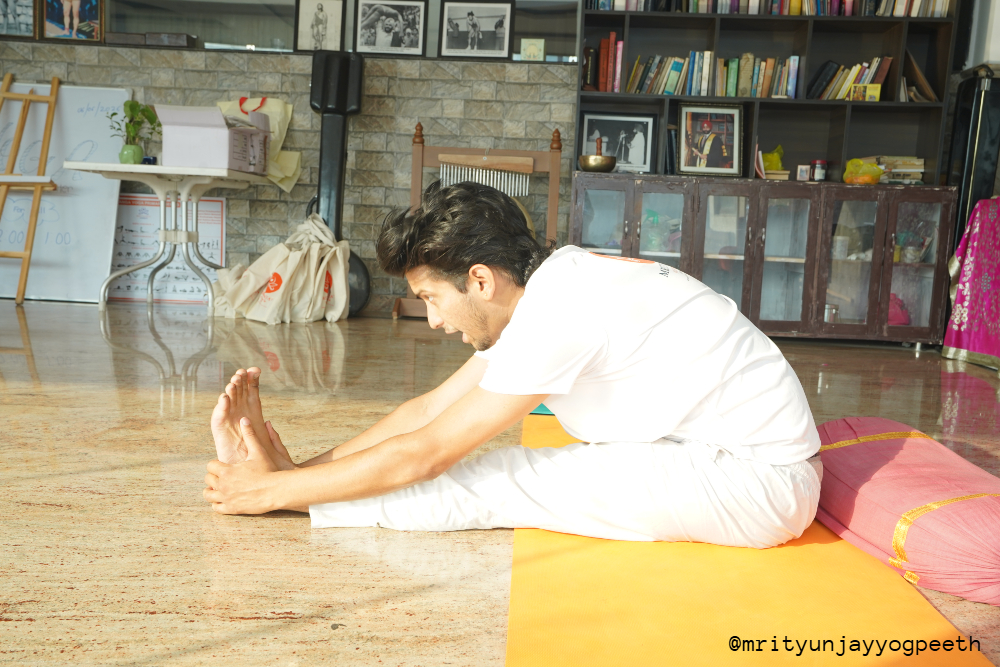
A 200-hour yoga teacher training, often called a 200-hour YTT, is a foundational yoga teacher training program designed to prepare students to teach yoga at a beginner or foundational level.
Most 200-hour trainings include subjects such as:
| Area of Study | What You Usually Learn |
| Asana | Yoga postures, alignment, modifications, and safe practice |
| Pranayama | Foundational breathing techniques and how to guide them |
| Meditation | Basic meditation practices and how to introduce stillness |
| Anatomy | General body mechanics, joints, muscles, spine, breath, and movement safety |
| Yoga Philosophy | Yoga Sutras, the eight limbs of yoga, yogic lifestyle, ethics, and self-study |
| Teaching Methodology | Voice, cueing, sequencing, class planning, demonstrations, and adjustments |
| Practicum | Practice teaching, receiving feedback, observing classes, and refining confidence |
| Ethics | Student-teacher boundaries, inclusivity, consent, scope of practice, and responsibility |
A good 200-hour training does not only teach poses. It helps you understand yoga as a complete practice involving the body, breath, mind, behavior, awareness, and relationship with life.
What Does “Enough” Really Mean?
Before deciding whether 200 hours is enough, it is important to ask: enough for what?
The answer depends on your goal.
If You Want to Deepen Your Personal Practice
Yes, a 200-hour yoga teacher training is often more than enough to transform your personal practice.
Many people join YTT without knowing whether they want to teach. They want to understand yoga more deeply. In this case, a 200-hour training can be life-changing. You learn why poses are practiced, how breath affects the nervous system, what yoga philosophy teaches, and how to build a more mindful relationship with your body and mind.
You may enter the training as a student who attends classes. You may leave with a deeper connection to yoga as a way of living.
If You Want to Teach Beginner Yoga Classes
Yes, a 200-hour yoga teacher training can be enough to begin teaching beginner-level yoga classes.
After completing a strong training, you should be able to create a safe class sequence, guide students through basic postures, offer simple modifications, use clear language, explain breath awareness, and hold a calm class environment.
However, you should begin with humility. Start with the types of classes you feel prepared to teach. Beginner classes, small groups, friends and family sessions, community classes, and slow-paced foundational classes are often good starting points.
If You Want to Teach Advanced Yoga
A 200-hour training may not be enough if your goal is to teach advanced asana, complex inversions, arm balances, therapeutic yoga, prenatal yoga, trauma-informed yoga, yoga therapy, or specialized populations.
These areas require additional education, supervision, and experience. Teaching advanced or specialized yoga safely involves more than knowing the pose. It requires understanding risk, contraindications, individual differences, emotional safety, and how to adapt the practice.
If You Want to Become a Full-Time Yoga Teacher
A 200-hour YTT can be your first step, but it may not be enough by itself to build a full-time yoga teaching career.
To teach full-time, you usually need more than certification. You need teaching experience, communication skills, class planning ability, confidence, business knowledge, marketing skills, community building, emotional resilience, and a clear teaching niche.
The certificate may open the door. Your consistency, professionalism, and authenticity help you stay in the room.
What a 200-Hour Yoga Teacher Training Can Give You
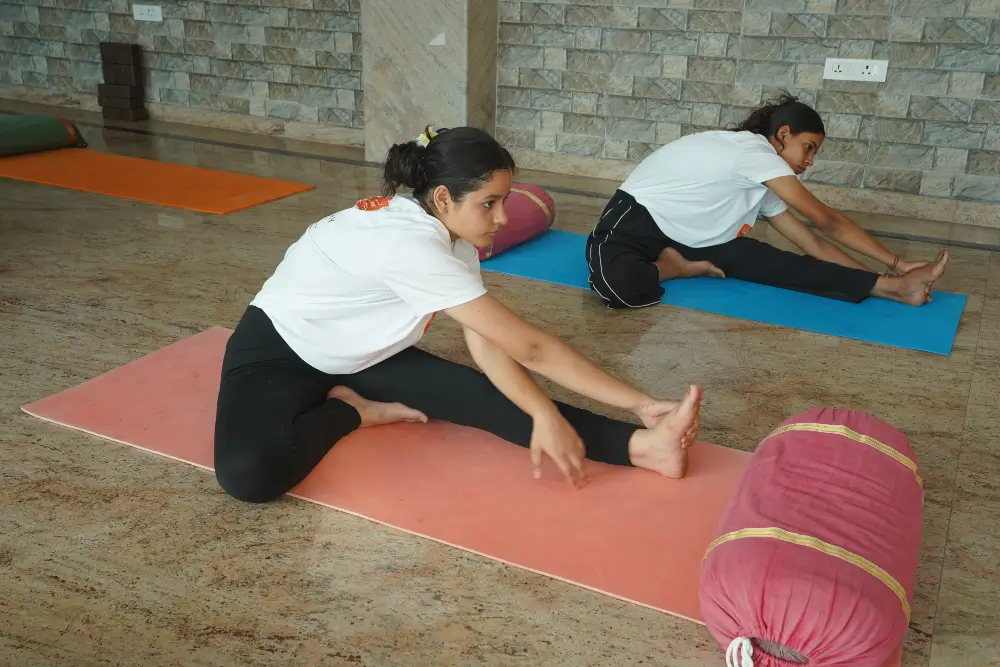
A well-designed 200 hour yoga teacher training can offer many important foundations.
1. A Stronger Personal Practice
Before you teach yoga, you need a relationship with your own practice.
A 200-hour training usually encourages regular practice, self-observation, journaling, meditation, and reflection. You begin to notice how your body moves, how your breath changes, how your mind reacts, and how yoga affects your daily life.
This personal experience matters because students can often feel whether a teacher is speaking from memorization or lived practice.
You do not need to be perfect. You do not need to master every pose. But you do need sincerity. A teacher who practices with honesty can guide with more depth than someone who only teaches from theory.
2. Foundational Knowledge of Yoga Philosophy
Yoga is not only stretching. It is a complete system of self-awareness and inner discipline.
In a 200-hour training, you may study concepts such as:
- The eight limbs of yoga
- Yamas and niyamas
- The Yoga Sutras
- The meaning of practice and non-attachment
- Breath, mind, and awareness
- Yogic ethics
- The role of discipline and self-study
This helps you teach beyond physical exercise. Even if your classes are asana-based, philosophy can bring meaning, grounding, and depth to your teaching.
For example, instead of teaching Warrior II only as a leg-strengthening posture, you may connect it to steadiness, focus, courage, and presence.
3. Basic Anatomy and Movement Awareness
A 200-hour YTT usually practically introduces anatomy. You may learn about the spine, hips, shoulders, knees, wrists, muscles, joints, breathing mechanics, and common movement patterns.
This does not make you a doctor, physiotherapist, or yoga therapist. But it can help you understand how to guide safer movement.
You learn that not every pose is suitable for everybody. You begin to understand why some students need props, why alignment is not one-size-fits-all, and why pain should never be ignored.
Good anatomy education helps you teach with respect for individual bodies.
4. Class Sequencing Skills
Sequencing is one of the most important teaching skills.
A 200-hour training can teach you how to structure a class with intention. You may learn how to create a beginning, middle, and end. You may understand how to warm the body, build toward a peak posture, balance effort with rest, and close the practice safely.
A simple class structure may include:
- Centering
- Breath awareness
- Gentle warm-up
- Foundational standing postures
- Balance or strengthening work
- Cool-down stretches
- Restorative posture or Savasana
- Closing reflection
At the beginning, you may rely on templates. Over time, you develop your own teaching rhythm.
5. Teaching Voice and Communication
Teaching yoga requires clear, kind, and grounded communication.
During training, you practice using your voice to guide movement, breath, awareness, and transitions. You learn how to give simple cues, avoid over-talking, speak with confidence, and create a calm atmosphere.
Many new teachers struggle with cueing. They may say too much, speak too quickly, or feel nervous in silence. This is normal.
A 200-hour training gives you practice. Real confidence comes later, through repetition.
6. Practice Teaching Experience
One of the most valuable parts of YTT is the practicum, where you teach other trainees and receive feedback.
This helps you move from “knowing” to “guiding.”
You may learn how it feels to stand in front of a group, forget your sequence, adjust your timing, manage nerves, and continue anyway. These moments are important. They teach resilience.
The first few teaching experiences may feel awkward. That does not mean you are not ready. It means you are learning.
7. Awareness of Ethics and Responsibility
Yoga teaching involves trust.
Students may come to class with injuries, stress, trauma, self-doubt, or emotional vulnerability. A responsible teacher understands the importance of boundaries, consent, confidentiality, humility, and scope of practice.
A 200-hour training should help you understand what you can and cannot offer.
For example, a yoga teacher can guide general movement, breath, mindfulness, and relaxation practices. But unless properly qualified, a yoga teacher should not diagnose injuries, promise medical results, replace mental health care, or pressure students into practices that feel unsafe.
Ethics are not optional. They are central to good teaching.
What a 200-Hour Yoga Teacher Training May Not Fully Give You
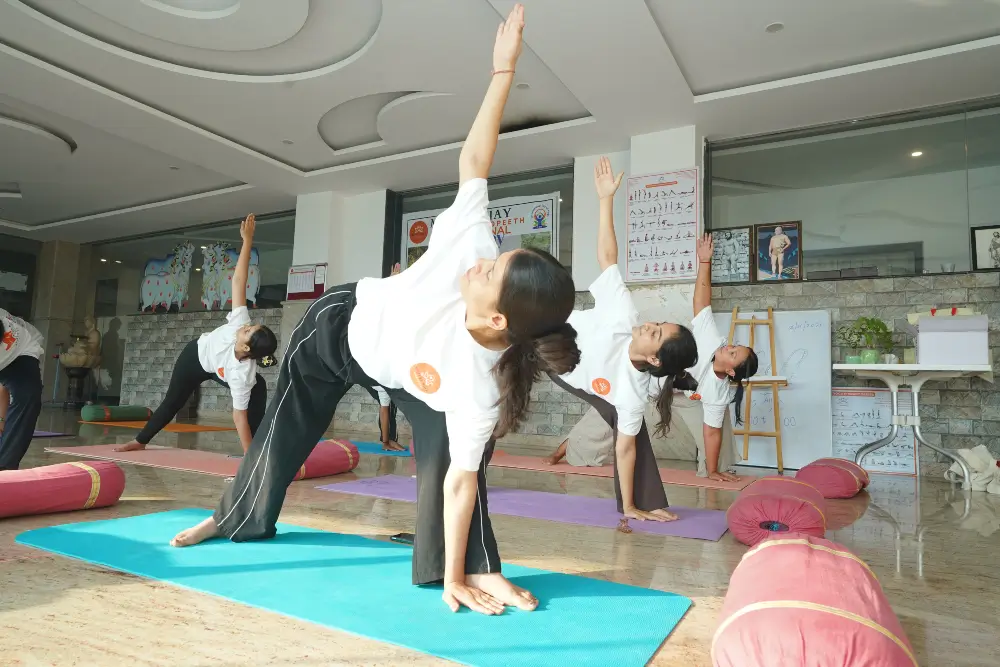
Even a wonderful 200-hour program has limits. This does not mean it is weak. It simply means yoga teaching is a lifelong path.
1. Deep Specialization
A 200-hour YTT is usually broad. It introduces many topics, but it cannot make you an expert in everything.
You may touch on prenatal yoga, trauma sensitivity, Ayurveda, chanting, meditation, sequencing, anatomy, and philosophy, but only at an introductory level.
If you want to specialize, you may later study:
- Prenatal yoga
- Children’s yoga
- Yin yoga
- Restorative yoga
- Yoga for seniors
- Trauma-informed yoga
- Meditation teaching
- Ayurveda
- Yoga philosophy
- Advanced anatomy
- Yoga therapy
Specialization takes time and focused study.
2. Years of Teaching Confidence
Confidence does not come only from training. It comes from teaching real people.
In a training room, your classmates may be supportive and familiar. In a public class, students may have different needs, injuries, moods, experience levels, and expectations.
You learn by adapting. You learn when a sequence does not work as planned. You learn when someone asks a question you cannot answer. You learn when silence feels uncomfortable. You learn when a student thanks you after a simple class you thought was imperfect.
A 200-hour training starts your confidence. Teaching experience strengthens it.
3. Advanced Anatomy or Therapeutic Knowledge
Most 200-hour programs cover basic anatomy, but they cannot provide the depth needed for therapeutic work.
If a student has a herniated disc, recent surgery, pregnancy complications, chronic pain, joint instability, trauma history, or a serious medical condition, you need to stay within your scope and encourage them to seek appropriate professional guidance.
A responsible yoga teacher knows when to modify, when to pause, and when to refer out.
4. Complete Business Preparation
Some trainings include basic business guidance, but many do not go deeply into how to build a yoga career.
To teach professionally, you may also need to learn:
- How to price classes
- How to create a teaching resume
- How to audition at studios
- How to teach online
- How to build a personal brand
- How to write class descriptions
- How to manage social media
- How to communicate with studios
- How to understand liability and insurance
- How to retain students
- How to create workshops or retreats
Being a yoga teacher is both a service and a profession. You need heart, but you also need practical skills.
5. Emotional Maturity as a Teacher
Yoga classes can bring up emotions. Students may cry in Savasana, feel frustrated in their bodies, compare themselves to others, or seek comfort from the teacher.
A 200-hour training can introduce emotional awareness, but maturity develops through self-work, mentorship, and experience.
A good teacher does not try to become a savior. A good teacher creates a safe, respectful space where students can meet themselves.
When a 200-Hour Yoga Teacher Training Is Enough
A 200-hour YTT is likely enough to start teaching if:
- You completed a high-quality training
- You practiced teaching during the program
- You understand beginner-level sequencing
- You can offer basic modifications
- You know how to guide breath safely
- You respect your scope of practice
- You are willing to keep learning
- You start with appropriate class levels
- You feel nervous but not completely unprepared
- You have a mentor, peer group, or continued support system
Nervousness does not mean you are not ready. Most new teachers feel nervous. Readiness does not always feel like perfect confidence. Sometimes it feels like humility, preparation, and willingness.
When a 200-Hour Yoga Teacher Training Is Not Enough
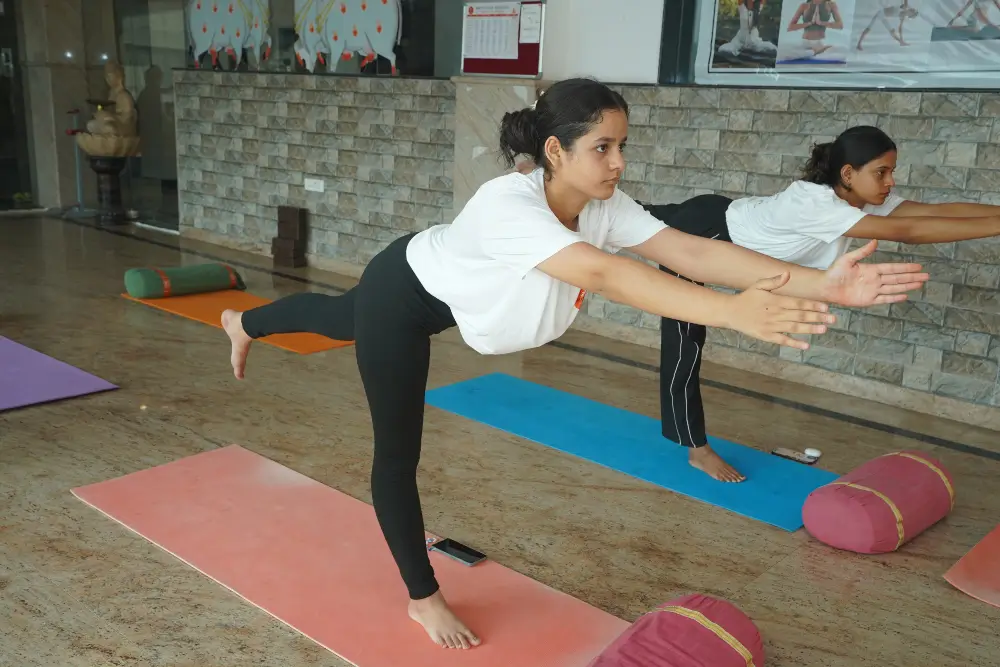
A 200-hour YTT may not be enough if:
- You want to teach advanced postures immediately
- You want to work therapeutically with injuries or medical conditions
- You want to teach prenatal yoga without prenatal training
- You want to guide trauma recovery without trauma-informed education
- You feel unclear about basic sequencing
- You have not practiced teaching real students
- You do not understand modifications
- You are uncomfortable with anatomy basics
- You want to teach full-time, but have no business plan
- You believe certification alone makes you an expert
This does not mean you failed. It simply means you need more practice, mentorship, or continuing education before stepping into certain teaching spaces.
The Difference Between Being Certified and Being Ready
Certification and readiness are related, but they are not the same.
A certificate shows that you completed the training. Readiness shows in how you teach, listen, adapt, communicate, and care for students.
You may have a certificate and still need more practice. You may also feel nervous and still be ready to begin.
A ready teacher is not someone who knows everything. A ready teacher is someone who knows enough to teach safely, honestly, and humbly.
Signs of readiness include:
- You can lead a simple class from start to finish
- You can explain basic poses clearly
- You can offer options without making students feel wrong
- You can stay calm when plans change
- You can say, “I do not know, but I can find out”
- You understand that students’ bodies are different
- You do not force adjustments
- You teach from care, not performance
- You continue to practice and study
What Makes a 200-Hour Yoga Teacher Training High Quality?
Not all 200-hour trainings are the same. The quality of the training matters more than the number of hours alone.
A strong 200-hour YTT should include the following elements.
Experienced Lead Teachers
Your trainers should have meaningful teaching experience, not just certification. They should be able to explain yoga clearly, hold space maturely, answer questions thoughtfully, and model ethical teaching.
Look for trainers who continue to study and practice. The best teachers remain students.
Balanced Curriculum
A good training should include asana, anatomy, philosophy, pranayama, meditation, teaching methodology, ethics, sequencing, and practicum.
If a training focuses only on physical postures and ignores philosophy, ethics, and teaching skills, it may leave you underprepared.
Practice Teaching
You cannot learn to teach only by listening.
Practice teaching is essential. You need opportunities to guide others, receive feedback, refine your cueing, and build confidence.
Feedback and Mentorship
Feedback helps you grow. A good trainer gives constructive, kind, and specific feedback.
Instead of simply saying “good class,” trainers should help you understand what worked, what was unclear, and how to improve.
Inclusive Approach
A strong yoga training teaches that yoga is not only for flexible, young, thin, athletic, or advanced bodies.
You should learn how to offer props, variations, and choices. Students should feel welcome regardless of body type, age, gender, race, ability, or experience level.
Clear Ethics
A training should discuss consent, touch, boundaries, power dynamics, cultural respect, trauma sensitivity, and professional responsibility.
Yoga teaching is not only about what you know. It is also about how safely and respectfully you share it.
Online vs In-Person 200-Hour Yoga Teacher Training: Is One Better?
Both online and in-person yoga teacher trainings can be valuable, but they offer different experiences.
In-Person Training
In-person training may be helpful if you want direct feedback, hands-on community, live practice teaching, and a more immersive environment.
You can observe bodies in real time, ask questions naturally, and feel the energy of group learning.
Online Training
Online training can be helpful if you need flexibility, live far from a yoga school, have family or work commitments, or prefer learning at your own pace.
A strong online training should still include live interaction, feedback, teaching practice, community support, and clear accountability.
Which One Should You Choose?
Choose the format that supports your learning style. The best training is not simply online or offline. The best training is the one with experienced teachers, a strong curriculum, real practice teaching, ethical grounding, and ongoing support.
Is a 200-Hour YTT Enough to Teach Internationally?
In many places, a 200-hour yoga teacher training is considered the common entry-level qualification for teaching yoga. However, requirements vary by studio, country, employer, insurance provider, and yoga organization.
Some studios may ask for a 200-hour certificate. Others may want teaching experience, auditions, references, insurance, first-aid training, or additional specialization.
If you want to teach internationally, check the expectations of the country, studio, retreat center, or platform where you want to teach.
A 200-hour certificate can help you begin, but it is not a universal guarantee of employment everywhere.
Can You Teach Yoga Immediately After a 200-Hour Training?
Yes, many graduates begin teaching soon after completing their 200-hour YTT.
But it is wise to start slowly and honestly.
You can begin with:
- Free or donation-based community classes
- Classes for friends and family
- Beginner classes
- Small group sessions
- Online practice classes
- Assisting another teacher
- Substitute teaching
- Short 30-minute classes
- Private beginner sessions
Avoid jumping immediately into advanced, therapeutic, or highly specialized classes unless you have the proper training and support.
Your first classes are part of your learning. Keep them simple. Teach what you know. Stay honest about your experience.
What Should You Teach as a New 200-Hour Yoga Teacher?
As a new teacher, simplicity is powerful.
You do not need to create complicated sequences to be valuable. Many students need clear, steady, accessible yoga more than advanced transitions.
Good class themes for new teachers include:
- Breath and body awareness
- Gentle morning yoga
- Beginner Hatha yoga
- Foundational Vinyasa
- Yoga for stress relief
- Slow flow yoga
- Stretch and relax
- Basic standing postures
- Hip and hamstring mobility
- Simple back care awareness
- Grounding evening yoga
- Introduction to pranayama
- Meditation for beginners
Teach what you can teach safely. A calm, simple, well-held class is better than a complex class taught with uncertainty.
How to Keep Growing After a 200-Hour Yoga Teacher Training
A 200-hour YTT gives you a foundation. Your continued growth makes you a teacher.
1. Keep a Personal Practice
Your personal practice is your root. It keeps your teaching honest.
Practice does not always need to be long or physically intense. It may include asana, pranayama, meditation, chanting, journaling, study, rest, or mindful living.
When your practice is consistent, your teaching becomes more grounded.
2. Teach Regularly
Teaching is a skill. It improves with repetition.
Even one class per week can help you grow. Notice what works. Notice where students seem confused. Notice where your cueing becomes too complicated. Notice how your energy changes when you teach.
Reflection after teaching is one of the best learning tools.
3. Find a Mentor
A mentor can help you refine your teaching, answer questions, observe your classes, and support your growth.
Mentorship is especially helpful when you feel stuck, unsure, or overwhelmed.
4. Take Continuing Education
Continuing education helps you deepen your skills.
You may study anatomy, sequencing, meditation, pranayama, philosophy, trauma-informed yoga, prenatal yoga, restorative yoga, Yin yoga, or another area that inspires you.
Do not rush to collect certificates. Choose an education that genuinely supports your teaching path.
5. Observe Experienced Teachers
You can learn a lot by watching skilled teachers.
Notice how they enter the room, sequence the class, use silence, offer modifications, handle beginners, close the practice, and communicate with students.
Observation develops teaching intelligence.
6. Ask for Feedback
Feedback can feel vulnerable, but it is important.
Ask trusted teachers, peers, or students what felt clear, supportive, or confusing. Use feedback as information, not as a personal attack.
A growing teacher is willing to listen.
7. Stay Within Your Scope
This is one of the most important parts of ethical teaching.
Do not diagnose. Do not promise healing. Do not pressure students. Do not pretend to know what you do not know.
You can be honest and still be respected.
Saying “That is outside my scope, but I recommend checking with a qualified professional” is a sign of maturity, not weakness.
Common Myths About 200-Hour Yoga Teacher Training
Myth 1: You Must Be Advanced Before Joining YTT
You do not need to perform advanced poses before joining a 200-hour training.
You need curiosity, commitment, openness, and respect for the practice. Many trainees join because they want to learn, not because they already know everything.
Myth 2: A 200-Hour Certificate Makes You an Expert
A 200-hour certificate does not make you an expert. It makes you a beginner teacher with foundational training.
This is not a bad thing. Every experienced teacher was once a beginner.
Myth 3: You Must Teach Immediately After Training
You do not have to teach immediately.
Some graduates take time to integrate, practice, assist classes, or continue studying before teaching publicly. That is completely valid.
Myth 4: More Hours Always Mean a Better Teacher
More training can help, but hours alone do not create wisdom.
A teacher with 500 hours of training but little self-awareness may not be better than a 200-hour teacher who is sincere, ethical, present, and committed to learning.
Quality matters. Practice matters. Humility matters.
Myth 5: You Need to Know Every Sanskrit Name
Sanskrit can add depth and respect to your teaching, but you do not need to know every Sanskrit term to begin.
Use Sanskrit thoughtfully and accurately. If you use it, learn pronunciation and meaning as best you can.
Myth 6: New Teachers Should Teach Complicated Classes to Impress Students
New teachers often feel pressure to prove themselves. But students usually benefit more from clarity than complexity.
Simple, safe, mindful classes build trust.
200-Hour vs 300-Hour vs 500-Hour Yoga Teacher Training
Here is a simple way to understand the difference:
| Training Level | Best For | What It Usually Offers |
| 200-Hour YTT | New teachers and serious students | Foundational yoga teaching skills |
| 300-Hour YTT | Teachers who have already completed 200 hours | Deeper study, refinement, specialization |
| 500-Hour Path | Teachers seeking advanced credentialing | Combined foundation and advanced training |
A 300-hour training is usually taken after a 200-hour training. Together, they may form a 500-hour pathway.
But you do not need to rush. It is often better to teach for a while after your 200-hour training before joining a 300-hour program. Real teaching experience helps you understand what you need to study next.
How to Know If You Are Ready for a 200-Hour Yoga Teacher Training
You may be ready for YTT if:
- You practice yoga regularly
- You feel curious about yoga beyond the physical poses
- You want to understand philosophy, breath, meditation, and anatomy
- You enjoy learning in a community
- You are open to self-reflection
- You want to teach someday, even if you are not sure yet
- You feel called to deepen your relationship with yoga
- You are willing to be challenged gently
- You understand that YTT is a beginning, not a final destination
You do not need to feel completely ready. Sometimes readiness begins with a sincere yes.
How to Choose the Right 200-Hour Yoga Teacher Training
Choosing the right training is important. Here are key questions to ask.
Who Are the Lead Teachers?
Research their experience, teaching style, background, and values. Attend their classes if possible.
Ask yourself: Do I trust the way they teach? Do they embody what I want to learn?
What Is Included in the Curriculum?
Look for a balanced curriculum that includes asana, pranayama, meditation, philosophy, anatomy, teaching methodology, ethics, sequencing, and practicum.
Is There Practice Teaching?
Make sure the training includes real opportunities to teach and receive feedback.
What Style of Yoga Is Taught?
Some trainings focus on Hatha, Vinyasa, Ashtanga, Yin, traditional yoga, modern yoga, or multi-style approaches.
Choose a style that matches your interests and future teaching goals.
Is the Training Inclusive?
Ask whether the training teaches modifications, props, accessibility, trauma awareness, and respect for different bodies.
What Support Is Available After Graduation?
Some schools offer mentorship, alumni groups, class observation, continuing education, or teaching opportunities.
Post-training support can be very valuable for new teachers.
Questions to Ask Before Enrolling in a 200-Hour YTT
Before joining, ask the school:
- What topics are covered in the curriculum?
- Who are the lead trainers?
- How much practice teaching is included?
- Will I receive feedback on my teaching?
- What yoga style is the training based on?
- Is anatomy taught practically?
- How is yoga philosophy included?
- Are ethics, consent, and boundaries discussed?
- Are modifications and props taught?
- Is there support after graduation?
- What is expected outside training hours?
- Is the program suitable for students who are not advanced?
- What certification will I receive?
- What are the attendance requirements?
- What happens if I miss a session?
These questions help you choose with clarity instead of emotion alone.
What to Do After Completing Your 200-Hour Yoga Teacher Training
After graduation, take time to integrate. You do not need to have everything figured out immediately.
A gentle post-YTT path may look like this:
Month 1: Integrate
Rest, review your notes, continue personal practice, and reflect on what you learned.
Months 2–3: Practice Teaching
Teach friends, family, or small groups. Keep your classes simple and ask for feedback.
Months 3–6: Start Public Teaching
Apply for beginner classes, community classes, online classes, or studio subbing opportunities.
Months 6–12: Refine Your Voice
Notice what kind of students you enjoy teaching. Begin developing your style, themes, and teaching niche.
After 1 Year: Consider Deeper Study
Once you have real teaching experience, you may know whether you want to study anatomy, meditation, prenatal yoga, Yin yoga, yoga therapy, philosophy, or a 300-hour program.
A Gentle Truth: You Do Not Need to Know Everything to Begin
Many new yoga teachers wait because they feel they are not ready.
They think:
- “I am not flexible enough.”
- “I do not know enough Sanskrit.”
- “My voice is not calm enough.”
- “Other teachers know more than me.”
- “What if I forget the sequence?”
- “What if someone asks a question I cannot answer?”
These fears are normal.
You do not need to be perfect to begin. You need to be prepared, sincere, ethical, and willing to keep learning.
Students do not need you to be a flawless yoga master. They need you to be present, clear, respectful, and real.
The Role of Experience in Becoming a Good Yoga Teacher
Experience teaches what training cannot fully teach.
Training may teach you how to cue Downward-Facing Dog. Experience teaches you how to cue it for a tired student, a stiff student, a nervous student, a hypermobile student, and a student who does not want to be corrected.
Training may teach you how to create a sequence. Experience teaches you when to change the sequence because the room needs something different.
Training may teach you philosophy. Experience teaches you how to share it without sounding forced.
Training may teach you to speak. Experience teaches you when to be silent.
This is why teaching is a path. You keep learning from your students, your practice, your mistakes, your mentors, and your life.
Is a 200-Hour Yoga Teacher Training Worth It?
Yes, a 200-hour yoga teacher training can be deeply worth it if you choose the right program and enter with realistic expectations.
It can help you:
- Deepen your personal practice
- Understand yoga beyond poses
- Build teaching confidence
- Learn foundational anatomy
- Study yoga philosophy
- Develop sequencing skills
- Practice teaching
- Join a supportive community
- Begin your path as a yoga teacher
- Learn more about yourself
It may not give you everything. But it can give you a meaningful beginning.
Who Should Take a 200-Hour Yoga Teacher Training?
A 200-hour YTT may be right for you if:
- You want to become a yoga teacher
- You want to deepen your practice
- You are curious about yoga philosophy
- You want to understand alignment and anatomy
- You want to build confidence
- You want a structured learning experience
- You want to explore yoga as a lifestyle
- You feel called to share yoga with others
- You are ready for personal growth
You do not have to be the most flexible person in the room. You simply need willingness, discipline, openness, and respect for the practice.
Who May Need More Than a 200-Hour Training?
You may need additional training if you want to teach:
- Pregnant students
- Children
- Seniors
- Students with trauma
- Students with serious injuries
- Students with chronic pain
- Advanced asana
- Meditation in depth
- Breathwork intensives
- Therapeutic yoga
- Yoga philosophy academically
- Retreats or teacher trainings
A 200-hour training can start the journey. Specialization deepens it.
Final Verdict: Is a 200-Hour Yoga Teacher Training Enough?
A 200-hour yoga teacher training is enough to begin teaching yoga, but it is not enough to complete your journey as a yoga teacher.
It gives you the foundation. It introduces the tools. It helps you understand the responsibility of teaching. It gives you a structure to start.
But your depth comes from continued practice. Your confidence comes from teaching. Your wisdom comes from experience. Your authenticity comes from living the practice.
So, if you are waiting until you feel completely ready, remember this:
You do not become a yoga teacher only after knowing everything.
You become a yoga teacher by beginning with humility, teaching with care, and staying devoted to learning.
A 200-hour training can be enough to open the door.
What matters next is how sincerely you walk through it.
Frequently Asked Questions
Is 200-hour yoga teacher training enough to teach yoga?
Yes, a 200-hour yoga teacher training is generally enough to begin teaching foundational yoga classes, especially beginner-friendly classes. However, continued practice, mentorship, and experience are important for long-term growth.
Can I teach yoga after a 200-hour YTT?
Yes, many teachers begin teaching after completing a 200-hour YTT. It is best to start with beginner classes, community classes, small groups, or practice classes while continuing to build confidence and experience.
Is a 200-hour yoga certification enough for a full-time yoga career?
It can be the first step, but it may not be enough by itself. A full-time yoga career often requires teaching experience, business skills, specialization, marketing, networking, and continued education.
Do I need a 300-hour yoga teacher training after 200 hours?
Not immediately. Many teachers benefit from teaching for some time after their 200-hour training before joining a 300-hour program. This helps them understand what they want to study more deeply.
Can beginners join a 200-hour yoga teacher training?
Yes, many 200-hour trainings welcome dedicated students who are not advanced practitioners. You should have a sincere interest in yoga, a consistent practice, and openness to learning.
What can I teach with a 200-hour yoga certification?
You can usually teach beginner and foundational yoga classes such as Hatha, Vinyasa, gentle yoga, slow flow, basic pranayama, and introductory meditation, depending on your training and confidence.
Is online 200-hour yoga teacher training valid?
Online training can be valuable if it includes a strong curriculum, live interaction, teaching practice, feedback, ethics, anatomy, and support. Always check the requirements of the studio, organization, or country where you plan to teach.
How long does it take to feel confident after YTT?
Confidence varies. Some teachers feel ready quickly, while others need months of practice teaching. Regular teaching, feedback, mentorship, and personal practice help build confidence over time.
What should I do after 200-hour yoga teacher training?
After YTT, continue practicing, teach small classes, observe experienced teachers, ask for feedback, study regularly, and stay within your scope of practice. Over time, you may choose advanced training or specialization.
Is 200-hour YTT worth it if I do not want to teach?
Yes. Many students take a 200-hour YTT to deepen their personal practice, understand yoga philosophy, learn anatomy, build discipline, and connect more deeply with themselves.