Yoga teacher training can feel confusing when you first start researching it. One school offers a 100-hour course, another promotes a 200-hour yoga teacher training, another talks about 300-hour advanced training, and some mention 500-hour YTT. You may also see 85-hour prenatal yoga training, 95-hour children’s yoga training, weekend YTT, online YTT, intensive YTT, Hatha YTT, Vinyasa YTT, and many other terms.
The simplest way to understand yoga teacher training is this: the main types of yoga teacher training courses are usually divided by training hours. These hours show the depth, level, and purpose of the course.
The most common yoga teacher training course types are:
- 85-hour yoga teacher training
- 100-hour yoga teacher training
- 200-hour yoga teacher training
- 300-hour yoga teacher training
- 500-hour yoga teacher training
Among these, the 200 hour yoga teacher training is generally the foundational path for becoming a yoga teacher. A 300 hour yoga teacher training is advanced training that builds on a 200 hour foundation. A 500 hour yoga teacher training is a comprehensive, advanced pathway, usually completed either as a single 500 hour program or as 200 hours plus 300 additional hours. Yoga Alliance describes RYS 200 as foundational, RYS 300 as advanced, and RYS 500 as comprehensive training that integrates foundational and advanced study.
Shorter courses like 85 hour and 100 hour programs are usually specialty, add-on, introductory, or continuing education courses. They can be valuable, but they do not always replace a full 200 hour yoga teacher training.
What is a Yoga Teacher Training Course?
A yoga teacher training course, often called YTT, is a structured learning program that teaches students how to understand, practice, and teach yoga safely and confidently. A complete YTT usually includes yoga postures, breathing techniques, meditation, anatomy, yoga philosophy, teaching methodology, sequencing, ethics, practice teaching, and professional development.
A good yoga teacher training course should not only teach students how to perform yoga poses. It should help them understand the purpose of yoga, how the body moves, how to guide different students, how to create safe classes, and how to teach with responsibility.
Yoga Alliance states that registered yoga school programs must have a defined curriculum, qualified trainers, and educational categories directly related to yoga. Their standards also emphasize that training hours should be connected to yoga education rather than unrelated content.
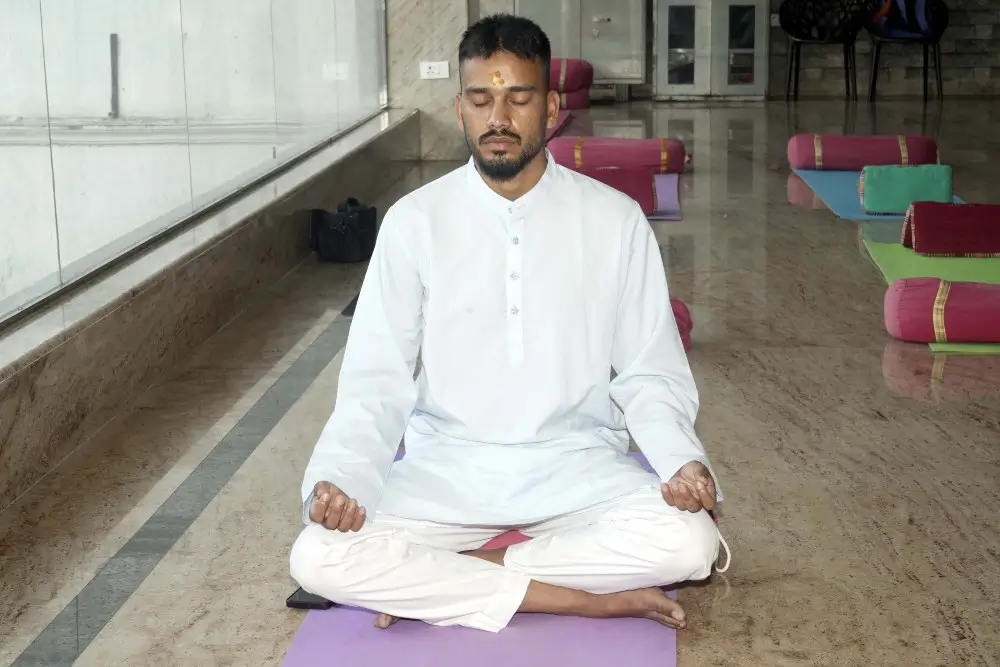
Types of Yoga Teacher Training Courses
| Course Type | Level | Best For | Main Purpose | Usually Enough to Start Teaching? |
|---|---|---|---|---|
| 85-Hour YTT | Specialty | Prenatal or focused specialty training | Learn a specific area of yoga teaching | Usually no, unless combined with prior teacher training |
| 100-Hour YTT | Introductory or add-on | Beginners, short immersion students, continuing education learners | Build basic knowledge or specialize in one area | Usually no, as a standalone professional path |
| 200-Hour YTT | Foundational | New yoga teachers and serious practitioners | Start the yoga teaching journey | Yes, commonly used as the first professional teaching qualification |
| 300-Hour YTT | Advanced | Teachers who have already completed the 200-hour YTT | Deepen teaching skills and knowledge | Yes, as advanced training after 200 hours |
| 500-Hour YTT | Comprehensive | Serious teachers and advanced practitioners | Complete foundational plus advanced training | Yes, it represents a deeper training pathway |
85-Hour Yoga Teacher Training Course
What Is an 85-Hour Yoga Teacher Training?
An 85-hour yoga teacher training course is usually a specialty yoga teacher training, not a full foundational yoga teacher training. The most common and recognized use of the 85-hour format is prenatal yoga teacher training.
Prenatal yoga teacher training prepares yoga teachers to support pregnant students safely through movement, breathwork, relaxation, and pregnancy-aware modifications. Yoga Alliance states that Registered Yoga Teachers can register as Registered Prenatal Yoga Teachers after completing an 85-hour prenatal yoga teacher training registered with Yoga Alliance.
This means an 85-hour course is usually not the first step for someone with no yoga teaching background. It is more often a specialization taken after or alongside foundational yoga teacher training.
Who Should Choose an 85-Hour YTT?
An 85-hour yoga teacher training is best for:
- Yoga teachers who want to specialize in prenatal yoga
- Students interested in pregnancy-safe yoga practices
- Wellness professionals working with pregnant clients
- Doulas, birth workers, or women’s health professionals who want yoga knowledge
- Yoga teachers who want continuing education in a focused area
What Do You Learn in an 85-Hour Prenatal Yoga Teacher Training?
A strong 85-hour prenatal yoga teacher training may include:
- Pregnancy anatomy and physiology
- Trimester-wise yoga modifications
- Safe and unsafe poses during pregnancy
- Breathwork for pregnancy and labor preparation
- Pelvic floor awareness
- Relaxation and nervous system support
- Emotional changes during pregnancy
- Postnatal yoga basics
- Contraindications and safety guidelines
- How to sequence prenatal yoga classes
- How to support students with different pregnancy experiences
Is an 85-Hour YTT Enough to Become a Yoga Teacher?
Usually, no. An 85-hour YTT is generally a specialization, especially in prenatal yoga. If someone wants to become a general yoga teacher, the more appropriate starting point is usually a 200-hour yoga teacher training.
However, if someone is already a yoga teacher, an 85-hour prenatal training can help them expand into a specialized teaching area.
Best For
Choose an 85-hour yoga teacher training if you already have a yoga foundation and want to specialize, especially in prenatal yoga.
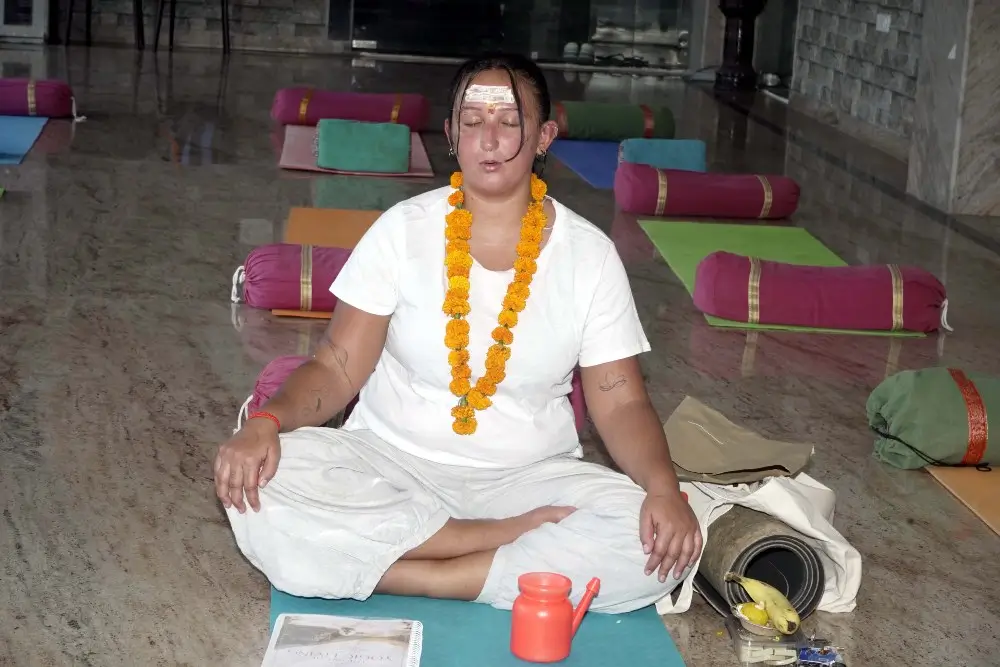
100-Hour Yoga Teacher Training Course
What Is a 100-Hour Yoga Teacher Training?
A 100 hour yoga teacher training course is usually a short-format course designed for beginners, continuing education students, or people who cannot commit to a 200-hour program immediately.
Unlike 200-hour, 300-hour, and 500-hour programs, a 100-hour YTT is not usually treated as a complete foundational teacher training credential by major yoga registration systems. It is commonly used as:
- A beginner yoga immersion
- A partial module of a 200-hour YTT
- A continuing education course
- A style-specific course
- A short intensive training
- A preparation course before the 200-hour YTT
Some yoga schools divide their 200-hour yoga teacher training into two 100-hour modules. In that case, the student may complete the first 100 hours and later complete the second 100 hours to reach the full 200-hour level.
Who Should Choose a 100-Hour YTT?
A 100-hour yoga teacher training is best for:
- Beginners who want to explore yoga deeply before committing to 200 hours
- Students with limited time or budget
- Yoga practitioners who want personal growth but not necessarily a teaching career
- Teachers who want a short continuing education course
- Students who want to study a specific style like Hatha, Vinyasa, Yin, or meditation
- People who want to complete yoga training in stages
What Do You Learn in a 100-Hour Yoga Teacher Training?
The exact curriculum depends on the school, but a 100-hour YTT may include:
- Basic yoga postures
- Alignment fundamentals
- Introduction to pranayama
- Introduction to meditation
- Basic yoga philosophy
- Beginner anatomy
- Teaching basics
- Class observation
- Practice teaching
- Introduction to sequencing
If it is a style-based 100-hour course, the curriculum may focus more deeply on one area such as Yin yoga, Hatha yoga, Vinyasa yoga, Ayurveda, pranayama, or meditation.
Is 100-Hour YTT Enough to Teach Yoga?
In most professional contexts, a 100-hour YTT alone is not considered a full yoga teacher training pathway. It can give useful knowledge, but many studios and students expect teachers to have at least a 200-hour foundation.
A 100-hour course can still be valuable if the goal is personal development, continuing education, or completing a larger training in parts.
Best For
Choose a 100-hour yoga teacher training if you want a short yoga immersion, want to test whether YTT is right for you, or want to study one subject in more depth.
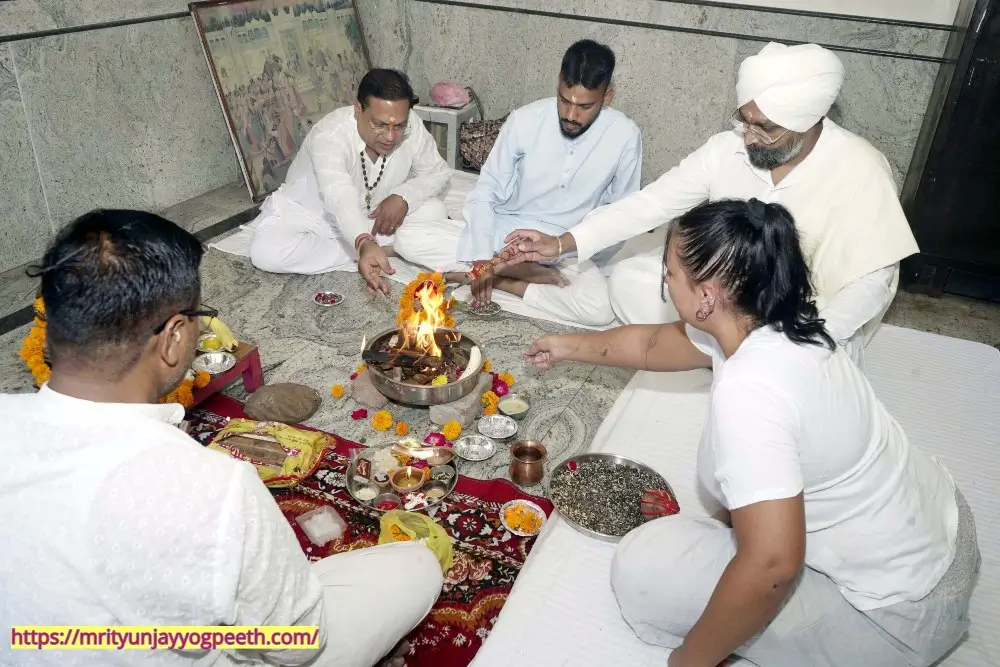
200 Hour Yoga Teacher Training Course
What Is a 200-Hour Yoga Teacher Training?
A 200 hour yoga teacher training course is the most common foundational yoga teacher training program. It is usually the starting point for people who want to become yoga teachers.
Yoga Alliance describes RYS 200 as a foundational 200-hour teacher training program that covers essential techniques, anatomy, philosophy, and professional development.
This is the course most students choose when they are serious about teaching yoga or want a complete foundation in yoga practice and teaching.
Who Should Choose a 200-Hour YTT?
A 200-hour yoga teacher training is best for:
- Students who want to become yoga teachers
- Serious practitioners who want to deepen their yoga knowledge
- Wellness professionals who want to add yoga to their services
- Fitness instructors who want to teach yoga safely
- Meditation or breathwork practitioners who want a broader yoga foundation
- Beginners with consistent practice who are ready for structured training
What Do You Learn in a 200-Hour Yoga Teacher Training?
A well-designed 200-hour YTT usually includes:
1. Yoga Asana Practice
Students learn foundational yoga postures, alignment, modifications, variations, and safe practice methods. This may include standing poses, seated poses, forward bends, backbends, twists, balancing poses, inversions, and relaxation postures.
2. Anatomy and Physiology
Students study the basic structure of the body, including muscles, joints, bones, breath mechanics, movement patterns, and injury prevention. The goal is not to become a doctor or physiotherapist, but to understand how to teach yoga safely.
3. Pranayama
Pranayama means yogic breathing practice. A 200-hour course usually introduces techniques such as diaphragmatic breathing, alternate nostril breathing, Ujjayi breath, Bhramari, and basic breath awareness.
4. Meditation
Students learn meditation techniques, concentration practices, mindfulness, and how to guide simple meditation sessions.
5. Yoga Philosophy
A 200-hour YTT usually introduces important yogic concepts from texts and traditions such as the Yoga Sutras, the eight limbs of yoga, yamas and niyamas, karma yoga, bhakti yoga, and the broader purpose of yoga beyond physical exercise.
6. Teaching Methodology
This is one of the most important parts of a 200-hour YTT. Students learn how to give instructions, use voice effectively, demonstrate poses, observe students, offer modifications, and build class confidence.
7. Sequencing
Sequencing means designing a yoga class in a logical and safe order. Students learn how to create beginner classes, balanced classes, peak-pose classes, relaxation-based classes, or theme-based classes.
8. Practicum
Practicum means practice teaching. Students teach each other, receive feedback, observe classes, and start developing their own teaching style.
9. Ethics and Professional Responsibility
Yoga teaching involves trust. A good YTT should include professional ethics, student boundaries, consent, scope of practice, inclusivity, and responsible communication.
Is a 200-Hour YTT Enough to Become a Yoga Teacher?
Yes, a 200-hour YTT is commonly used as the first professional step for becoming a yoga teacher. However, completing the certificate does not automatically make someone a skilled teacher. It gives the foundation. Real teaching skills develop through regular practice, teaching experience, mentorship, continuing education, and self-study.
How Long Does a 200-Hour YTT Take?
A 200-hour yoga teacher training may be offered in different formats:
- 21 to 30-day intensive course
- 2 to 3 months weekday or weekend course
- 4 to 12-month part-time course
- Online or hybrid format
- Retreat-style residential format
The best format depends on your lifestyle. Intensive training gives immersion, while part-time training gives more time to absorb the material.
Best For
Choose a 200-hour yoga teacher training if you want the main foundational yoga teaching qualification and want to start your journey as a yoga instructor.
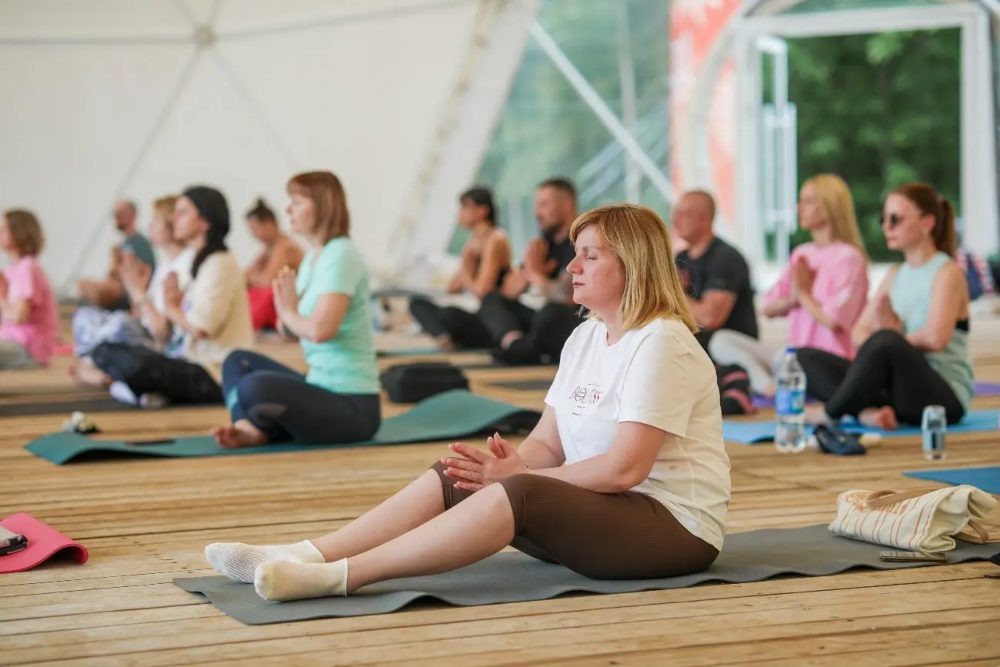
300 Hour Yoga Teacher Training Course
What Is a 300 Hour Yoga Teacher Training?
A 300 hour yoga teacher training course is an advanced program designed for students who have already completed a 200-hour YTT.
Yoga Alliance describes RYS 300 as advanced training that builds upon foundational teaching knowledge and refines expertise in sequencing, methodology, and specialized instruction.
This course is not usually for complete beginners. It is for teachers who already understand the basics and want to deepen their knowledge, confidence, and professional ability.
Who Should Choose a 300-Hour YTT?
A 300-hour yoga teacher training is best for:
- 200-hour certified yoga teachers
- Yoga teachers who want advanced knowledge
- Teachers who want to improve class sequencing
- Instructors who want deeper anatomy and philosophy
- Teachers who want to specialize in areas like Yin, prenatal, restorative, yoga therapy-oriented practice, or meditation
- Yoga teachers who want to move toward a 500-hour credential pathway
What Do You Learn in a 300-Hour Yoga Teacher Training?
A 300-hour YTT may include:
1. Advanced Asana
Students explore more complex postures, deeper alignment, modifications for different bodies, advanced transitions, and intelligent use of props.
2. Advanced Anatomy and Biomechanics
A 300-hour course usually goes deeper into movement science, joint safety, injury prevention, posture adaptation, fascia, nervous system awareness, and functional movement.
3. Advanced Sequencing
Teachers learn how to design more intelligent classes for different goals, such as strength, mobility, flexibility, relaxation, emotional balance, peak poses, or special populations.
4. Advanced Pranayama
Students explore breath practices in more depth, including breath ratios, retention, energetic effects, contraindications, and how to sequence pranayama safely.
5. Meditation and Subtle Body Study
A 300-hour course may include a deeper study of meditation, chakras, nadis, koshas, mantra, mudra, bandha, and other subtle body concepts.
6. Yoga Philosophy
Students often study yogic texts and philosophy more deeply than in a 200-hour course. This may include the Yoga Sutras, Bhagavad Gita, Hatha Yoga Pradipika, Vedanta, Tantra, or other traditions, depending on the school.
7. Teaching Special Populations
Advanced training may teach students how to adapt yoga for seniors, pregnant students, beginners, athletes, people with injuries, or students with stress and anxiety.
8. Professional Development
A 300-hour course may also include yoga business, workshops, retreats, private sessions, mentorship, personal branding, and ethical teaching practices.
Is 300-Hour YTT Better Than 200-Hour YTT?
It is not “better” in a beginner sense. It is more advanced. A 200-hour YTT gives the foundation. A 300-hour YTT builds on that foundation.
If you have not completed 200-hour training, you generally should not jump directly into a 300-hour YTT unless the school has a specific integrated structure and clear entry requirements.
Best For
Choose a 300-hour yoga teacher training if you already have a 200-hour foundation and want to become a more skilled, confident, and knowledgeable teacher.

500 Hour Yoga Teacher Training Course
What Is a 500-Hour Yoga Teacher Training?
A 500 hour yoga teacher training course is a comprehensive yoga teacher training pathway. It represents both foundational and advanced training.
There are usually two ways to complete 500 hours:
- Complete one full 500-hour yoga teacher training program
- Complete a 200-hour YTT first, then complete a 300-hour YTT later
Yoga Alliance explains that 500 hours can be completed either through a Registered Yoga School 500-hour program or by completing RYT 200 and then an additional 300-hour training, totaling 500 hours.
Who Should Choose a 500-Hour YTT?
A 500-hour yoga teacher training is best for:
- Serious yoga teachers
- Students are committed to a long-term yoga career
- Teachers who want deeper authority and skill
- Practitioners who want a complete yoga education
- Teachers who want to lead workshops, retreats, or advanced classes
- Students who want both foundational and advanced learning in one path
What Do You Learn in a 500-Hour Yoga Teacher Training?
A 500-hour YTT usually includes everything from a 200-hour foundation plus advanced 300-hour-level study.
This may include:
- Foundational and advanced asana
- Deep anatomy and biomechanics
- Advanced sequencing
- Teaching methodology
- Pranayama and meditation
- Yoga philosophy and classical texts
- Subtle body study
- Ethics and professional practice
- Teaching different student populations
- Practice teaching and mentorship
- Personal sadhana or disciplined self-practice
- Leadership and advanced professional development
Is a 500-Hour YTT Necessary to Teach Yoga?
Not always. Many yoga teachers begin teaching after a 200-hour YTT. A 500-hour YTT is not always necessary for beginner classes, community classes, or general studio teaching.
However, 500-hour training can be valuable if you want to:
- Teach more advanced classes
- Build long-term credibility
- Work with diverse student groups
- Offer workshops or retreats
- Develop a deeper personal practice
- Continue toward experienced teacher credentials
- Build confidence beyond basic teaching
Should You Take 500-Hour YTT Directly or Do 200 + 300 Separately?
Both paths can work.
A direct 500-hour YTT may be suitable if you are fully committed, have time, and want one complete immersive journey. The 200 + 300 route may be better if you want to start with the foundation, gain teaching experience, and later choose an advanced school or specialization that fits your evolving goals.
For many students, the 200 + 300 pathway is more practical because it gives time to teach, reflect, and understand what advanced training they actually need.
Best For
Choose a 500-hour yoga teacher training if you want a complete, serious, and advanced yoga education.

Difference Between YTT, RYT, and RYS
Many students confuse these terms, so a good blog on yoga teacher training should explain them clearly.
YTT: Yoga Teacher Training
YTT means the actual course you take. For example:
- 200-hour YTT
- 300-hour YTT
- 500-hour YTT
- 85-hour prenatal YTT
- 100-hour yoga immersion
RYT: Registered Yoga Teacher
RYT is a registration title used by Yoga Alliance for teachers who meet certain training and registration requirements. For example:
- RYT 200
- RYT 500
- E-RYT 200
- E-RYT 500
- RPYT
- RCYT
RYS: Registered Yoga School
RYS means Registered Yoga School. This refers to schools registered to offer certain yoga teacher training programs, such as:
- RYS 200
- RYS 300
- RYS 500
- Registered Prenatal Yoga School
- Registered Children’s Yoga School
Yoga Alliance recommends using its Registered Yoga School directory and reading graduate reviews because the goal is not only to find a registered school, but to find a training program that fits your needs.
Which Yoga Teacher Training Course Should You Choose?
The best YTT course depends on your goal.
Choose 85-Hour YTT If:
You want to specialize in prenatal yoga or another focused area and already have a yoga teaching foundation.
Choose 100-Hour YTT If:
You want a short course, beginner immersion, continuing education, or a flexible way to study yoga without committing to 200 hours immediately.
Choose 200-Hour YTT If:
You want to become a yoga teacher or want the main foundational yoga teacher training course.
Choose 300-Hour YTT If:
You already completed 200-hour training and want advanced knowledge, better teaching skills, deeper anatomy, stronger sequencing, and more confidence.
Choose 500-Hour YTT If:
You want a complete yoga teacher training pathway and are serious about long-term teaching, advanced study, leadership, and deeper practice.
How to Choose the Right Yoga Teacher Training School
Choosing the course level is only one part of the decision. The school matters just as much.
Before joining any yoga teacher training, check the following:
1. Curriculum
Look for a clear curriculum that includes asana, anatomy, philosophy, teaching methodology, sequencing, practicum, ethics, and professional development.
2. Teacher Experience
Check who is leading the course. Experienced trainers can make a major difference in how well you understand teaching, safety, and the deeper meaning of yoga.
3. Course Format
Decide whether you prefer:
- Online YTT
- In-person YTT
- Hybrid YTT
- Residential YTT
- Weekend YTT
- Intensive YTT
Each format has strengths. Online courses offer flexibility. In-person courses offer direct feedback. Hybrid courses can balance both.
4. Student Reviews
Read reviews from real graduates. Yoga Alliance specifically encourages students to read reviews posted by teachers who graduated from Registered Yoga School programs.
5. Practicum and Feedback
A yoga teacher training should include actual teaching practice. Watching videos is not enough. Students need to practice teaching and receive feedback.
6. Safety and Anatomy
A good YTT should teach safe movement, modifications, contraindications, and respect for different body types.
7. Ethics and Scope of Practice
Yoga teachers should understand professional boundaries. They should not diagnose medical conditions, promise cures, or act outside their training.
8. Support After Certification
Good schools often provide mentorship, alumni groups, continuing education, teaching opportunities, or post-course guidance.

Are Online Yoga Teacher Training Courses Valid?
Online yoga teacher training has become more common, especially for students who cannot travel or attend in-person programs. Whether an online YTT is right for you depends on the quality of the course.
A strong online YTT should include:
- Live classes or interactive sessions
- Recorded lessons for review
- Assignments and assessments
- Practice teaching
- Feedback from trainers
- Community interaction
- Clear curriculum
- Ethics and safety training
Online training can work well for disciplined students, but beginners may benefit from in-person or hybrid formats because direct feedback can be very helpful when learning alignment, teaching skills, and class presence.
Common Mistakes Students Make When Choosing a YTT
Mistake 1: Choosing Only by Price
A cheap course is not always a good course. Yoga teacher training is an investment in your knowledge, safety, and future students.
Mistake 2: Thinking 100 Hours Is the Same as 200 Hours
A 100-hour YTT can be useful, but it is usually not equivalent to a complete 200-hour foundational training.
Mistake 3: Joining Advanced Training Too Early
A 300-hour YTT is meant to build on a 200-hour foundation. Students should not rush into advanced training without a basic understanding and practice.
Mistake 4: Ignoring the Teacher
The trainer matters. A strong teacher can make even a simple curriculum powerful. A weak teacher can make even a fancy course disappointing.
Mistake 5: Not Checking the Curriculum
Do not join a YTT only because it is in a beautiful destination. Check what you will actually study.
Mistake 6: Expecting Certification Alone to Create Confidence
A certificate is only the beginning. Confidence comes from practice, teaching experience, mentorship, and continued learning.
FAQs About Types of Yoga Teacher Training Courses
1. What is the best yoga teacher training course for beginners?
The best yoga teacher training course for beginners who want to teach is usually a 200-hour yoga teacher training. It gives the foundation in asana, anatomy, philosophy, pranayama, meditation, sequencing, and teaching methodology.
2. Is a 100-hour yoga teacher training enough to become a yoga teacher?
Usually, a 100-hour YTT alone is not considered a complete professional teacher training path. It is better for personal practice, short immersion, continuing education, or as part of a larger 200-hour program.
3. What is an 85-hour yoga teacher training?
An 85-hour yoga teacher training is most commonly used for prenatal yoga teacher training. It is usually a specialty course for existing yoga teachers or students pursuing prenatal yoga education.
4. What is the difference between a 200-hour and a 300-hour YTT?
A 200-hour YTT is foundational training for new teachers. A 300-hour YTT is advanced training for students who have already completed a 200-hour course.
5. What is a 500-hour yoga teacher training?
A 500-hour YTT is a complete training pathway that includes foundational and advanced study. It may be completed as one full 500-hour program or as 200-hour plus 300-hour training.
6. Can I teach yoga after a 200-hour YTT?
Yes, many teachers begin teaching after completing a 200-hour yoga teacher training. However, confidence and skill develop through continued practice, teaching experience, and mentorship.
7. Is a 500-hour YTT required to become a yoga teacher?
No, a 500-hour YTT is not always required. Many yoga teachers start with 200-hour training. A 500-hour path is useful for deeper study, advanced teaching, and long-term professional growth.
8. Which is better: 200-hour or 500-hour yoga teacher training?
Neither is automatically better for everyone. A 200-hour YTT is better for beginners. A 500-hour YTT is better for students who want a complete and advanced training pathway.
9. Are online yoga teacher training courses worth it?
Online YTT can be worth it if the program includes live interaction, feedback, practice teaching, assessments, and a strong curriculum. Students who need direct physical feedback may prefer in-person or hybrid training.
10. How do I choose the right yoga teacher training course?
Choose based on your goal. Pick 200-hour YTT if you want to start teaching, 300-hour YTT if you already have a foundation, 500-hour YTT if you want a complete path, and 85-hour or 100-hour training if you want a specialty or short immersion.
Final Summary: What Are the Real Types of Yoga Teacher Training Courses?
The real types of yoga teacher training courses are best understood by the training hours and purpose.
An 85-hour yoga teacher training is usually a specialty course, most commonly prenatal yoga. A 100-hour yoga teacher training is usually a short immersion, add-on module, or continuing education course. A 200-hour yoga teacher training is the main foundational course for aspiring yoga teachers. A 300-hour yoga teacher training is advanced training for those who have already completed 200 hours. A 500-hour yoga teacher training is the complete advanced pathway, either done as one 500-hour program or as 200 hours plus 300 hours.
If your goal is to become a yoga teacher, the best starting point is usually a 200-hour yoga teacher training. If you already teach and want to grow, a 300-hour YTT is the next step. If you want the most complete training path, choose a 500-hour YTT. If you want to specialize, consider an 85-hour prenatal course, a 95-hour children’s yoga course, or a focused 100-hour module.
The right course is not always the longest or most expensive one. The right course is the one that matches your current level, your learning style, your teaching goals, and the kind of yoga teacher you want to become.