For most travelers, March and October–November are the best times to visit Rishikesh for a yoga retreat. These months offer a practical balance for daily yoga, meditation, walking, and exploring between classes. February and early April are also worth considering, depending on how comfortable you feel with cool mornings or warmer afternoons.
The best month really depends on what kind of trip you want. A quiet retreat where you stay on-site, a busy yoga festival, and a holiday that mixes yoga with time outdoors each ask for something different. Where you stay, how your days are scheduled, how well you handle heat or cold, and how much room you have if travel plans fall through all count as much as the season does.
This guide goes through what to think about month by month, how to pick dates that suit your aims, what to pack, and what to ask before you book. The monthly suggestions are practical judgments drawn from seasonal patterns and what retreats need. They aren’t an official ranking, and they can’t promise the weather on your dates.
When Is the Best Time to Visit Rishikesh for Yoga
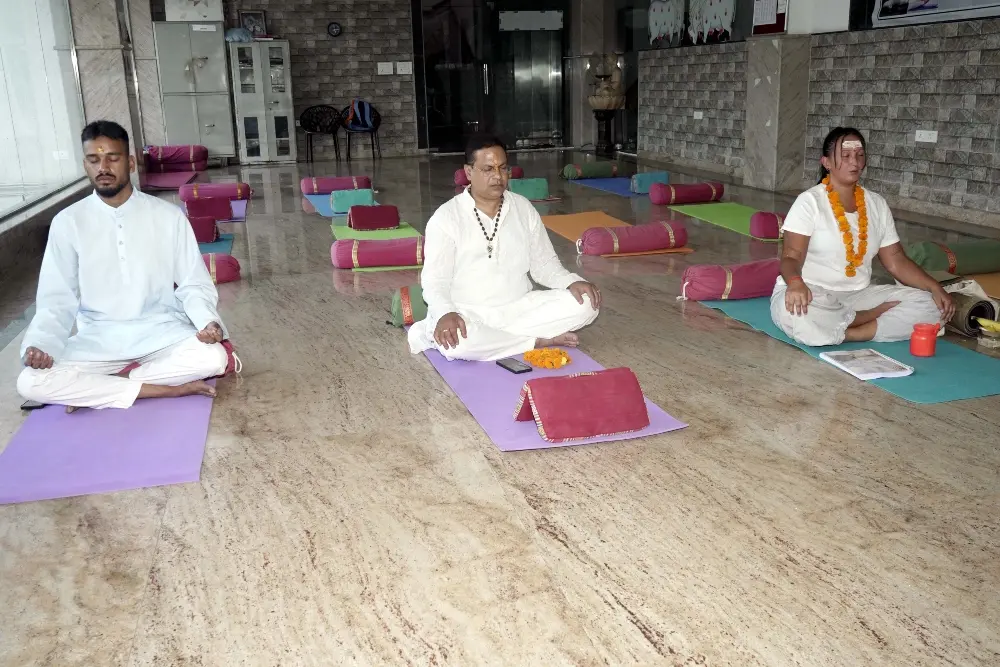
If you have flexible dates and are planning your first retreat, start by comparing March, October, and November.
These are a decent place to start, because a retreat isn’t just one class. Some mornings you’re walking to the yoga hall before the sun is up. Then there’s meditation, a rest in your room after lunch, and something in the evening once it’s dark. It’s much easier to stick with all of that when you’re comfortable from start to finish.
Consider the following options:
- For a balanced first retreat: March or October.
- For a retreat focused on meditation and a slower pace: November, or winter with suitable accommodation.
- For access to a major yoga gathering: March, after checking the organizer’s current dates.
- For travelers who prefer cooler conditions: February or November.
- For travelers comfortable with warmer weather: early April.
- For summer availability: May or June, with careful attention to cooling and the timetable.
- For a monsoon stay: July or August only, with flexible travel plans and a well-prepared residential venue.
Don’t assume an unpopular travel month will automatically mean a quieter or cheaper retreat. A school may host a large training group, a nearby pilgrimage may affect traffic, or a special program may increase demand.
The most useful question is: which month will support the daily routine I want to follow?
Understanding Rishikesh’s Seasons Before You Choose Dates
Rishikesh sits in the Himalayan foothills, but that doesn’t mean the weather stays cool all year. Summer here calls for different preparation than a stay somewhere higher up in the mountains.
Regional climate records show the pattern clearly. Winters are cool, the heat builds through spring, and most of the rain arrives in the monsoon. Dehradun district’s official climate information gives June to September as the main rainy stretch, with July and August the wettest. Elevation changes conditions a lot, though.
For additional context, the India Meteorological Department’s 1991–2020 Dehradun station records show average daily maximum temperatures rising from approximately 20°C in January to 35°C in May. Average monthly rainfall is much higher in July and August than in October or November. These are nearby regional reference figures, not measurements for an individual Rishikesh retreat or a forecast for your dates.
This distinction matters when comparing online weather tables. A room beside the river, a shaded property on a hillside, and an exposed upper-floor room can feel different even on the same day.
Month by Month Overview
January: Winter conditions; prioritize warm rooms and comfortable early morning sessions.
February: Late winter; pack layers for cool mornings and evenings.
March: Spring season; check retreat availability and event-related demand.
April: Warming spring weather; plan early yoga sessions and afternoon cooling.
May: Summer heat; prioritize cooling, shade, rest, and a flexible timetable.
June: Rising temperatures and the transition toward monsoon; prepare for heat and keep travel plans flexible.
July: Monsoon season; check indoor facilities and current travel advisories.
August: Monsoon conditions; prioritize safe access, drainage, drying facilities, and flexibility.
September: Monsoon transition; check weather and travel conditions for your exact dates.
October: Autumn season; a strong overall option, but check holiday demand.
November: Late autumn; pack layers and ensure comfortable morning practice facilities.
December: Winter conditions; check heating, bedding, hot water, and holiday schedules.
The table is a planning framework. Use forecasts and local advice when departure approaches.
January: A Winter Retreat with More Attention to Comfort
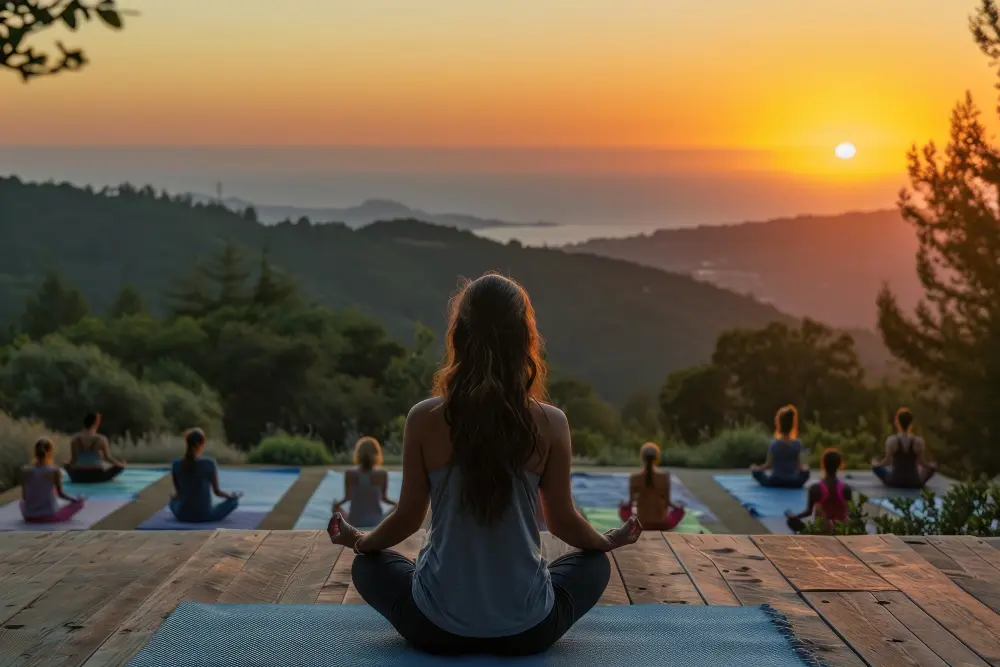
January is worth considering if you prefer a winter stay and are comfortable organizing your retreat around indoor practice and warm accommodation.
What matters most is when the retreat starts each day. A room that’s comfortable at 3 pm can feel completely different when you’re getting up for meditation before dawn. Ask what the yoga hall is like, how warm or cold it gets, and how it’s set up. Photos of sunny terraces won’t tell you.
Get straight answers on hot water, bedding, and room heating, and find out whether you’ll be charged extra for electricity if you use a heater. Being told “we have blankets” says very little. Ask what you’ll actually be given.
If the retreat is built around meditation, ask if they have chairs, cushions, and blankets. You shouldn’t have to haul all your own gear just to sit comfortably. Also check whether you can sit against a wall or on a chair when the floor is too uncomfortable.
January suits a schedule that’s mostly practice, meals, reading and rest. If you want to do a fair bit of sightseeing, talk through how the trips will fit into the shorter winter days. It helps to leave some slack, so your free afternoons don’t all hinge on an outdoor plan.
Don’t assume winter means quiet, either. Where your bedroom sits in relation to the road, the common areas, the kitchen and any nearby venues can matter more than the month does.
Choose January if you enjoy a winter atmosphere and can confirm suitable indoor comfort. Reconsider it if cold accommodation affects your sleep or you expect most sessions to take place outdoors.
February: A Useful Choice Before the Main Spring Period
February deserves a place on the shortlist for travelers who want a cooler retreat without choosing the middle of winter.
It is particularly useful to assess the whole package at this time of year. Ask for a sample daily timetable and identify when you will be outdoors, when meals are served, and whether the same hall is used for both movement and seated practice.
Bring layers that come off and go on without fuss. A light jacket helps when you first arrive and while you’re sitting for meditation. Once the movement starts, switch to real practice clothes. Keep a warm layer for the still sessions, so you’re not stuck in a tight outfit for a full class.
Beginners, think about the teaching first, then whether you can keep up with the schedule. Find out if the classes are built for mixed levels, if props come with the room, and if you can move to an easier session when you need one. The best dates in the world won’t fix a program that assumes you’ve practised for years.
February can also suit travelers who want to settle into a routine before adding sightseeing. Rather than planning an excursion every day, leave several afternoons open and decide after you understand the retreat’s pace.
Check your dates against public holidays and local events. A month that appears convenient in general may contain individual busy periods.
Choose February if you prefer cooler conditions and want a balanced residential program. Before booking, confirm the morning practice environment, bedding, and the actual level of instruction.
March: A Strong All-Round Choice for a Yoga Retreat
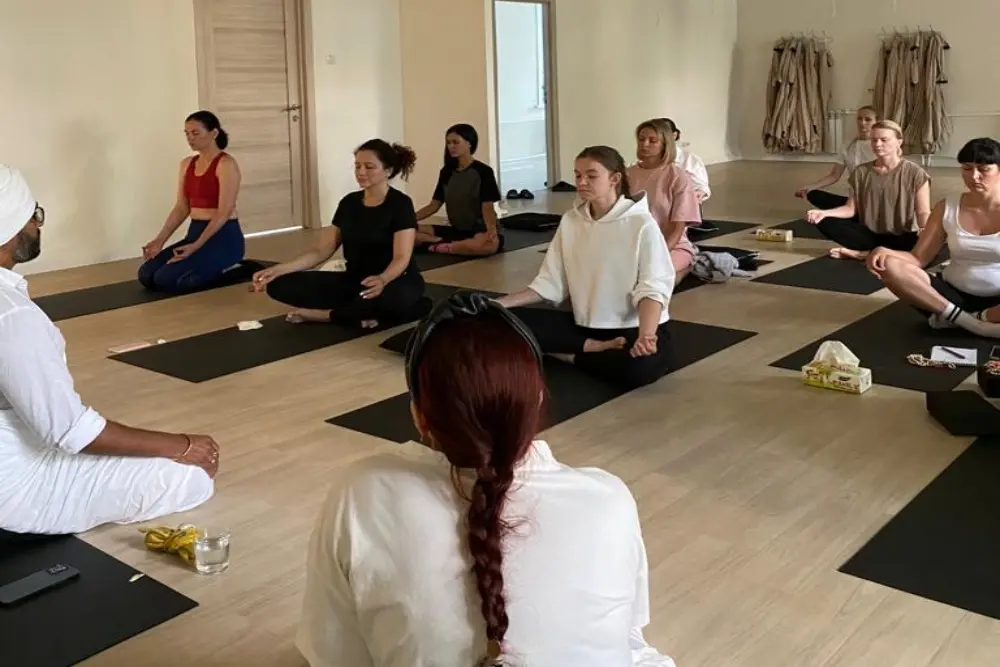
March is one of the first months to consider for a retreat that combines regular practice with time outside the campus.
A good week might include morning yoga, meditation, meals you don’t have to rush, and a few chosen walks or cultural visits. March isn’t a good pick because every hour has perfect weather. It just makes a solid base for a trip that’s balanced like this.
March also matters if you want an organized yoga event. Parmarth Niketan holds the International Yoga Festival, and its official school lists the 2027 edition for March 9 to 15. Look at the organizer’s website again before you book, since dates and how you take part can change from one edition to the next.
Work out whether a festival fits what you’re after. If you want to meet people and try out a range of teachers, a varied event could be a good match. If you’d rather have one steady teacher, a small group and a routine you can count on, you may do better with different dates or a different place.
Also ask whether your retreat package covers entry to the event. Being in Rishikesh while a festival runs doesn’t mean registration, transport, or workshops come with your stay. If any special sessions are advertised, check whether they need to be booked separately.
Also consider how much activity you want. Booking a full retreat and then adding a busy festival timetable could leave little time for rest. You may enjoy the experience more by making one program your priority.
Choose March if you want a versatile first visit or are deliberately planning around a yoga event. Confirm dates, group size, and event inclusions before arranging travel.
April: A Good Option When the Timetable Respects the Heat
April can suit a yoga retreat, especially if you prefer warmth and are happy to keep afternoons less demanding.
Before you book, ask when the main physical practice happens. A program with early sessions and a proper break may work better for you than one that puts the hard classes in the middle of the day.
Your room matters more now. Ask if air conditioning comes with it, if the afternoon sun hits it directly, and if the common areas have comfortable spots to sit between sessions. A cool yoga hall won’t do much good if your own room is hard to rest in.
For a sightseeing component, choose a few priorities instead of filling every free period. An early outing, followed by lunch and rest, may fit a retreat better than several hours of walking between classes. Ask whether excursion times are adjusted to conditions.
Do not treat sweating as a measure of practice quality. IMD’s heat guidance recommends moving strenuous activity to cooler parts of the day and avoiding strenuous activity when outdoor temperatures are high. This is a useful principle when assessing a warm-weather retreat schedule.
You do not need to abandon April because it is warmer. You need a venue and routine that acknowledges the season. Be clear about your own tolerance instead of assuming that everyone in the group will have the same needs.
Choose April if you prefer warmer conditions and can book suitable cooling. Examine class times, shaded spaces, and afternoon room comfort before paying.
May Choose the Venue Before You Choose the Package
May is a more demanding choice for travelers sensitive to heat, so the accommodation and daily routine deserve close scrutiny.
Start with practical questions. Is air conditioning available in the exact room category you are booking? Is it included in the advertised price? What happens during a power interruption? Is there a comfortable indoor place to spend free time?
Then examine the program. Ask whether attendance is flexible, how physically demanding the classes are, and whether the teacher adapts sessions to conditions. A retreat should allow you to communicate discomfort without feeling that you are failing the program.
May is also a month when it helps to simplify your intentions. If your goal is to establish a gentle daily practice, read, and rest, choose a package that reflects that. A schedule filled with strenuous yoga, long walks, excursions, and optional workshops may be harder to enjoy.
Do not book on the assumption that summer automatically means lower prices or smaller groups. Request a written quote for your dates and ask about expected occupancy. Check whether retreat participants share facilities with other groups.
For a first visit, compare the total cost of a well-equipped May stay with a retreat in your preferred season. The cheaper advertised package may need paid upgrades, especially if the basic room category does not provide the comfort you need.
Choose May if your dates are fixed, you tolerate heat, and the venue can support a comfortable stay. Confirm cooling and schedule flexibility in writing.
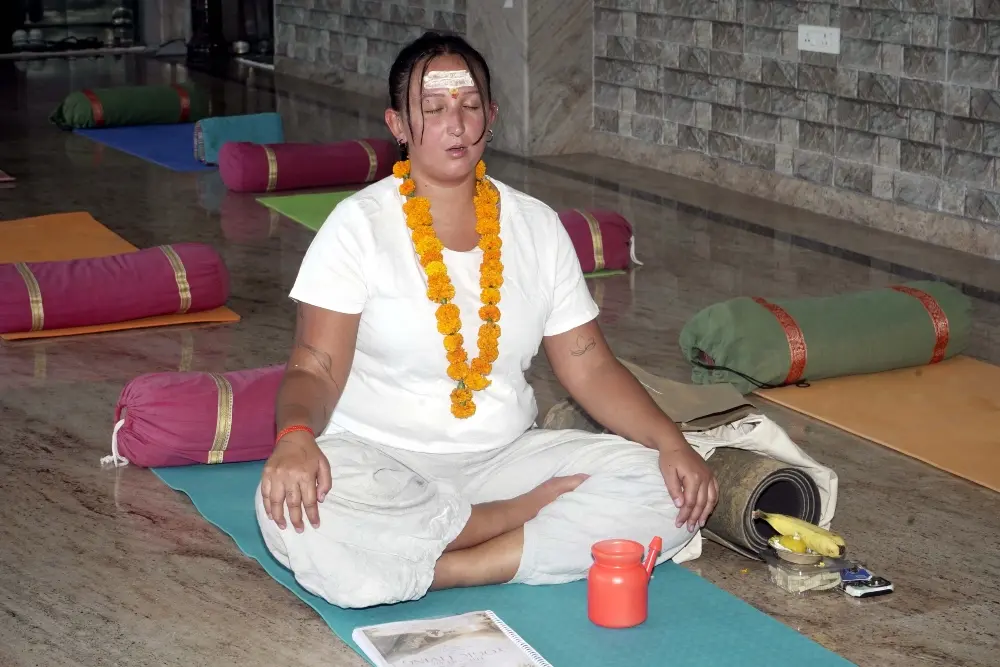
June Prepare for Both Heat and Changing Travel Conditions
June requires planning for a transition rather than a single, predictable set of conditions.
A booking made months in advance cannot tell you exactly how the season will develop. Choose a retreat that can explain how it manages both hot periods and wet-weather disruption.
Ask whether all essential activities can take place indoors. Find out whether your bedroom, dining area, and yoga hall are connected by covered or straightforward access. These details are more useful than a general statement that the retreat operates year-round.
Travel arrangements should have some margin. If you are arriving from overseas, avoid scheduling your first compulsory session immediately after a long flight and road transfer. If you are combining the retreat with travel into the hills, assess that route separately.
It is sensible to understand cancellation and date-change terms before paying. Ask what happens if an official advisory affects your arrival, rather than assuming that a flexible-sounding package includes a refund. Confirm whether your deposit can be transferred to another date and whether any deadline applies.
For a June stay, give the retreat your transport details and request current arrival guidance shortly before departure. A transfer plan prepared earlier may need adjustment. Keep an accessible copy of the property address and the contact details for the person handling your arrival.
Choose June if you have a flexible approach and a venue with clear seasonal arrangements. Check indoor facilities, transfer support, and written policies for disrupted travel.
July Monsoon Planning Comes First
July is a conditional choice for a yoga retreat, particularly if you have fixed flights, limited leave, or plans to travel widely outside the campus.
The question is not simply whether yoga classes continue. You need to know whether you can arrive safely, remain comfortable, and follow the program if outdoor activities are canceled.
Ask the venue to describe its monsoon arrangements. Useful details include covered practice space, drainage, reliable meals, drinking water, electricity backup, and how staff communicate travel updates. Ask who makes decisions about excursions and what alternatives are provided.
Consider your willingness to spend most of the retreat on-site. If excursions and riverside activities are central to your idea of the trip, choose another period or keep expectations flexible. A residential program should remain worthwhile even when its optional outings do not take place.
Monsoon planning should rely on current information. Uttarakhand’s disaster management authority provides access to road-status information and official weather resources. Its preparedness guidance also addresses landslide-prone routes and traveler warnings.
Do not interpret a dry morning at the retreat as evidence that every nearby route is suitable for travel. Follow official instructions and current local guidance.
July may appeal to someone who intentionally wants an indoor residential routine, but it should not be presented as an easy recommendation for every traveler.
Choose July if you understand the uncertainty, can change plans, and have checked official advice. Make arrival access and disruption arrangements your booking priorities.
August: Assess Practical Comfort Beyond the Yoga Hall
August needs the same careful approach as July, with extra attention to how the property functions during a wet-weather stay.
Photographs may show a beautiful garden, riverside terrace, or open practice deck. Ask what replaces those spaces when they cannot be used. A suitable indoor alternative should be part of the normal operation, rather than an improvised arrangement.
Laundry and drying facilities deserve a question too. For a retreat lasting two or three weeks, managing practice clothing, towels, and footwear becomes part of daily life. Ask how laundry is handled and whether drying takes longer during wet periods.
Find out whether rooms have ventilation and whether staff can address dampness. Read recent reviews for practical comments about maintenance rather than relying only on descriptions of the setting. Ask for photographs of the room category you will actually receive.
Keep excursions optional. If a package prominently includes waterfalls, hikes, or river-related activities, ask how those inclusions change when local conditions make them unsuitable. A replacement indoor activity should be described clearly, especially if it affects what you are paying for.
General flood guidance from India’s Ministry of Home Affairs advises against walking through moving water and notes that flash flooding can occur without obvious local warning signs. Apply that caution to flooded paths and streams rather than treating them as minor obstacles.
Choose August if a flexible, primarily residential stay fits your purpose. Prioritize safe access, indoor space, maintenance, and realistic alternatives to excursions.
September: Look at the Actual Dates, Not Just the Month

September is a transition month, so it deserves a more specific assessment than assuming that the monsoon is over.
A retreat at the beginning of September and one near the end may involve different planning decisions. Even late-month dates should be checked against current weather and road information.
If you choose September, ask the venue how it communicates arrival updates and whether it can accommodate a changed check-in date. Keep the first part of your itinerary simple so that you are not depending on several tightly connected transfers.
This is especially relevant if you want to combine yoga with rafting. Uttarakhand Tourism describes the broad rafting season as September–June, but that seasonal description is not a guarantee that a particular operator or stretch is available on your chosen day. Confirm current permission and operation separately.
September can be considered by travelers who want an alternative to the main autumn period and have flexibility. If you need a straightforward first trip with little room for changes, compare it carefully with October.
A useful booking approach is to choose the retreat for its teaching and facilities first, then make optional activities dependent on local conditions. Do not let an attractive excursion list outweigh uncertainty about essential accommodation and access.
Choose September if your travel arrangements have some flexibility and you can check conditions close to departure. Obtain date-specific arrival advice and realistic expectations about activities.
October: One of the Best Starting Points for Most Travelers
October is a strong all-round recommendation for a retreat that includes both campus life and selected outdoor experiences.
It is worth comparing October programs if you want regular yoga, meditation, time for reading, and the option of exploring without making sightseeing the focus of every day.
A good October booking still requires careful questions. Ask how many students share the yoga hall, whether retreat guests join yoga teacher-training classes, and who will teach your sessions. A desirable month can attract several kinds of visitors, and the advertised atmosphere may not reflect the exact program running during your stay.
If quiet is a priority, request information about the room itself. A private room overlooking an internal courtyard may suit you better than a room facing a busy route, even if the latter has a more attractive view. Ask whether room allocation is guaranteed or subject to availability.
Check public holiday dates before confirming transport. Do not assume that an ordinary-looking week on an international calendar will be equally quiet locally.
For beginners, October is a useful month to compare a range of retreat formats. Focus on a manageable timetable and clear teaching support rather than selecting the package with the longest list of activities. Include enough free time to enjoy being there.
Choose October if you want a balanced first retreat and have flexibility over dates. Confirm teaching arrangements, actual group size, room position, and holiday demand.
November: A Strong Choice for a Practice-Focused Stay
November is particularly worth considering if you prefer a retreat built around a consistent routine rather than a packed activity schedule.
The practical task is to prepare for different parts of the day. Bring a layer for early sessions and ask whether the hall has appropriate blankets and seating support.
November can be a useful month for a longer retreat because your accommodation needs become clearer when you ask about daily life rather than holiday highlights. Where will you read between sessions? Can you sit comfortably in your room? Is there enough space to store clothing and maintain a simple routine?
If you plan to stay for two or three weeks, ask about changes in the teaching schedule. Some programs repeat the same weekly structure, while others offer progression or individual guidance. The answer matters more for a longer visit than the number of listed excursions.
Avoid assuming that November means an empty town or a small class. Confirm the expected group size and whether any events or other programs overlap with your dates. Ask whether the venue can provide continuity if teachers change during your stay.
A retreat works best when the routine is one you can enjoy repeatedly. Assess November through that lens: sleep, meals, teaching, personal space, and time to reflect.
Choose November if you prefer a steady residential routine and are comfortable packing layers. Check morning comfort and the structure of longer programs.
December: A Winter Retreat with Holiday Dates to Check
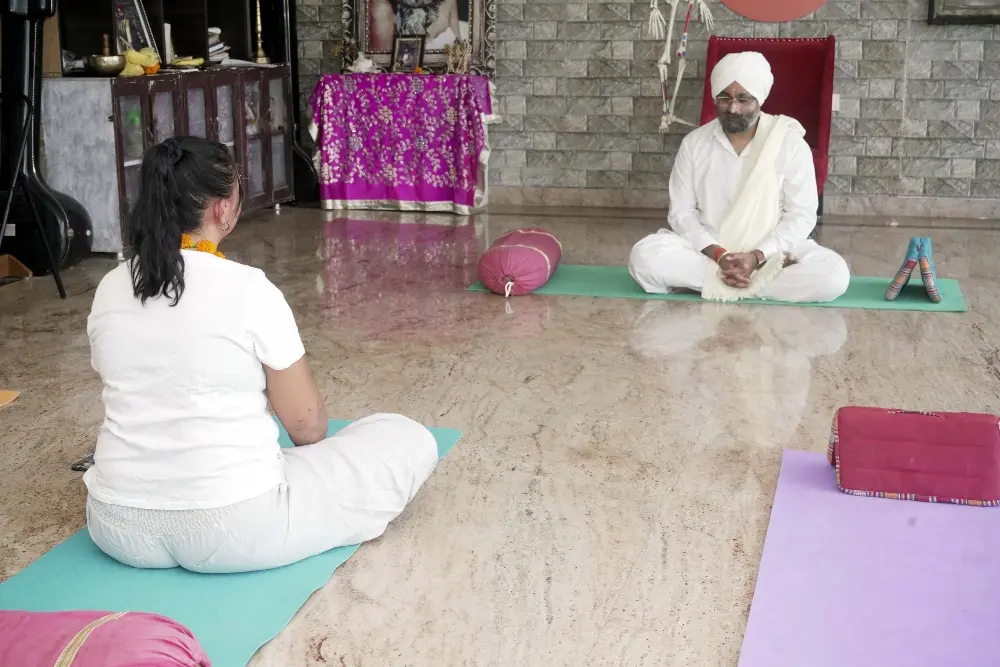
December can suit travelers who enjoy a winter setting, provided the property offers the comfort needed for early starts and evening rest.
Ask for specific information about room heating, hot water, extra blankets, and the yoga hall. Check whether these facilities apply to your room category and whether any services have restricted operating hours.
A longer winter stay also makes the bedroom more important. You may spend free time indoors, so examine seating, natural light, noise, and space rather than choosing solely on the bed and bathroom.
If you are traveling over Christmas or New Year, ask whether the retreat follows its normal schedule. Some venues may offer special programs, shared celebrations, or altered meal arrangements. These could be welcome, but they should match your expectations.
Be clear about what a holiday retreat means. One traveler may want community and organized activities; another may want quiet and an early bedtime. Both preferences are reasonable, but the same package may not serve them equally well. Ask about the actual arrangements instead of relying on the label.
December can also be a useful time to build a realistic practice plan for home. Ask whether your teacher can help you develop a short routine that fits your everyday schedule.
Choose December if you enjoy winter travel and have confirmed accommodation comfort. Prioritize heating, bedding, holiday arrangements, and the normal daily timetable.
Which Season Best Matches Your Retreat Goals
For Your First Yoga Retreat
Start with March, October, or November, then compare programs.
A first retreat already involves adjustment: unfamiliar surroundings, a different meal routine, early starts, and more scheduled practice than you may be used to. Choosing a comfortable period can reduce the number of things you need to manage at once.
Keep the program moderate. Two suitable sessions with enough rest may serve you better than several hours of compulsory practice. Look at how the schedule feels as a complete day, including meals and personal time.
Ask whether you can speak to a teacher before booking. Explain your experience honestly, including whether you have practiced only occasionally or are completely new. You do not need to arrive with advanced flexibility, but you do need a program that understands your starting point.
For Meditation and Rest
Give more weight to the venue than the month.
Ask about noise, quiet hours, group size, evening activities, and whether meditation instruction is appropriate for beginners. A retreat described as peaceful may still have an active social schedule.
November or a well-equipped winter stay may fit your preferences, but neither season guarantees silence. Choose a room and campus that support the level of quiet you want.
Also ask whether the program allows unstructured time. Rest is difficult to prioritize when every hour contains an activity. If you want an introduction to meditation, confirm that instruction and opportunities to ask questions are included rather than assuming that long silent sessions will suit you immediately.
For Yoga Plus Sightseeing
March and October are useful starting points for comparison.
Look for a retreat that leaves enough time for outings without requiring you to miss core teaching. Confirm whether visits are guided, how transport works, and whether entrance charges are included.
Choose two or three experiences you care about instead of attempting to see everything. A retreat can lose its restorative purpose if every break becomes another deadline. Keep at least some free time available to decide what you want to do once you arrive.
For Yoga Plus Rafting
Treat the two bookings as separate decisions.
First choose a suitable yoga program. Then check whether rafting is operating, whether the activity fits your abilities, and whether the operator meets current local requirements.
Ask about the physical demands and the recovery time you may want afterward. Do not schedule an activity simply because it appears as a package inclusion. If it is optional, establish whether declining it changes your price or leaves you with free time at the retreat.
For a Longer Stay
Choose the month in which you can live comfortably, not merely take attractive photographs.
For two or three weeks, evaluate laundry, sleep quality, food variety, personal space, and communication with staff. Ask whether you will remain in the same room and whether the teaching changes during your stay.
Your ability to maintain a comfortable routine becomes more important with every additional day. Small inconveniences that are manageable for a weekend can become more significant during a longer stay.
How Festivals, Pilgrimages, and Holidays Affect Your Dates

Weather is only one part of choosing the best time for a Rishikesh retreat.
Religious gatherings, public holidays, long weekends, and special events can affect transport and the atmosphere around a venue. These effects are often specific to particular dates and routes.
The Kanwar Yatra is an example. Public broadcaster DD India has reported special traffic and security arrangements in Rishikesh for pilgrims traveling toward Neelkanth. The practical lesson is to check the relevant year’s schedule and local transport advice rather than relying on a fixed annual date.
Before booking, ask:
- Will an event overlap with my arrival or departure?
- Does the venue expect changes to vehicle access?
- Is the retreat holding a special program?
- Could celebrations affect quiet hours or the timetable?
- Should I allow extra transfer time?
Participation can be meaningful if you deliberately want a cultural or spiritual event. If your purpose is a quiet residential stay, discuss the likely atmosphere with the venue before paying. Keep the distinction between attending an event and following a retreat routine clear in your plans.
Does the Location of Your Retreat Change the Best Time to Visit
Yes. A month cannot tell you how a particular campus will feel or function.
Central Locations
A central venue may make it easier to reach shops, transport, and other services. The tradeoff to assess is the surrounding activity.
Ask about the exact position of the room, vehicle access, and the walking route to classes. A central address does not tell you whether the building is beside a busy road or set back in a quieter lane. Request the accommodation location rather than relying on the school’s office address.
Riverside Locations
A river view may be appealing, but verify practical details.
Ask about the building’s position, access during heavy rain, any local restrictions, and how guests receive safety information. Do not assume that a riverside photograph means river access is suitable for recreation. Your retreat should be enjoyable without depending on entering the river.
Outlying or Hillside Properties
A more secluded setting may suit someone who wants to remain on campus, but assess transport and daily convenience.
Find out how far the venue is from shops or medical services, whether walking involves slopes or steps, and what happens if a transfer is delayed. Ask how luggage is moved from the vehicle to the room.
For any location, request the exact accommodation address. A retreat’s office, classroom, and guest rooms may not all be in the same building. If you will move between buildings each day, check the route and expected walking time.
How Many Days Should You Spend on a Yoga Retreat
Three to Four Days
A short retreat can provide an introduction to the routine.
It works best when travel is straightforward, and you do not need much time to recover from a long journey. Choose a focused program and avoid filling the visit with excursions.
Remember that arrival and departure days may contain limited teaching. Ask how many full program days the package includes. A short stay can still be useful when its purpose is clear, and expectations are realistic.
Seven Days
A week is a practical starting point for many first-time visitors.
It gives you time to understand the schedule, speak with teachers, and repeat the daily routine several times. You can also identify which practices feel realistic to continue at home.
Compare packages carefully: seven days may refer to six nights with partial arrival and departure days. Ask for check-in and check-out times so you can understand the amount of actual teaching included.
Fourteen Days
Two weeks allows more time to settle in and observe how the routine suits you.
Ask whether the second week develops the teaching or repeats the first. Repetition may be useful, but it should be understood in advance.
Check whether laundry, room cleaning, and dietary arrangements are suitable for a longer stay. If you want personal guidance, ask how often you will have an opportunity to discuss your practice with a teacher.
Twenty-One Days or More
For an extended retreat, confirm the program’s purpose and level of support.
Ask how teachers guide individual progress, whether rest days are included, and how concerns are addressed. A longer booking should offer a suitable living environment as well as classes.
Duration alone does not guarantee a particular outcome. Choose a stay you can approach with realistic expectations and a routine you can maintain comfortably.
What Does a Balanced Retreat Day Look Like
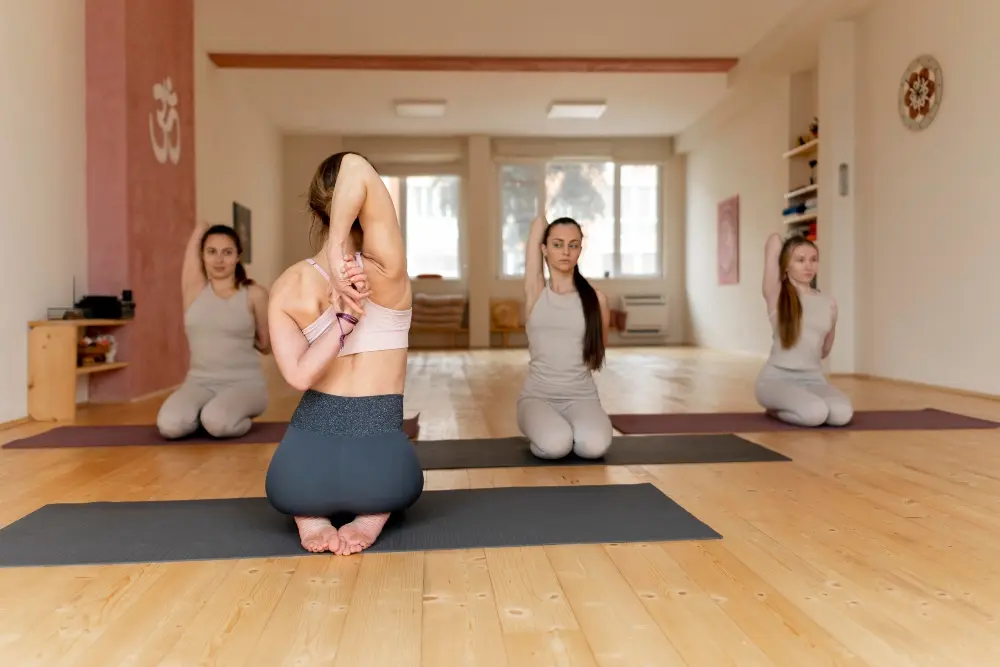
The following is an illustrative schedule, not a timetable used by every school.
- Early Morning: Meditation or guided breathing exercises.
- Morning: Yoga practice.
- Breakfast: Meal and personal time.
- Late Morning: Yoga philosophy, group discussions, or workshops.
- Midday: Lunch and rest.
- Afternoon: Free time, sightseeing, or optional sessions.
- Late Afternoon: Gentle yoga or restorative practice.
- Evening: Dinner, meditation, reflection, or quiet time.
Seasonal suitability depends partly on how the venue uses this structure.
In warmer periods, ask whether demanding activity is placed earlier. In winter, ask how early sessions are made comfortable. During wet periods, confirm that essential activities have appropriate indoor space.
Also examine how much is compulsory. A retreat intended for rest should give you a clear way to decline an optional activity. Ask whether you can adjust participation after speaking with a teacher, especially if the advertised program includes several unfamiliar practices.
How to Compare Retreat Prices Fairly
There is no dependable rule that a particular month will always be cheapest.
Compare written quotes for the same dates and room category. A lower headline price can become less attractive once you add cooling, transfers, private accommodation, or essential services.
Check whether the price includes:
- Accommodation and the exact number of nights.
- Meals and drinking water.
- All advertised classes.
- Private or shared bathroom facilities.
- Heating or air conditioning where needed.
- Transfers and excursions.
- Taxes and other compulsory charges.
Then read cancellation and date-change terms.
Ask what happens if the school changes the teacher, venue, or schedule. For a weather-sensitive period, ask specifically how official travel disruption is handled. Keep the final quote and important commitments together so you can refer to them later.
You can explore different dates, shared accommodation, and shorter packages to manage costs. Treat these as options to compare, rather than guaranteed discounts. A clear, complete price is more useful than an attractive figure that leaves essential arrangements uncertain.
What Should You Pack for a Yoga Retreat in Rishikesh
Essentials for Any Month
Pack comfortable clothing you can move in, practical walking shoes, personal toiletries, prescribed medicines, and copies of important travel documents.
A reusable water bottle, a small day bag, and a notebook may also be useful. Ask whether mats and props are provided before bringing bulky equipment. Check whether the venue supplies towels and how often they are changed.
For visits to temples or ashrams, bring clothing suitable for the venue’s dress expectations. Follow local instructions about shoes, photography, and participation. Being prepared makes it easier to join respectfully without needing to reorganize an outing.
For Winter
Consider warm layers, socks, a shawl or similar wrap, and a jacket appropriate to your plans.
Prioritize clothing you can use during seated sessions and at night. Check what the venue supplies before relying on its bedding or heating. Comfortable indoor clothing matters as much as what you wear outdoors.
For Warmer Months
Choose breathable clothing and enough changes of practice wear.
Bring sun protection suitable for your outings. Keep your bag manageable: you need clothing for daily life, rather than a separate outfit for every activity. Ask about laundry frequency before deciding how many changes to pack.
For Monsoon Travel
Consider a lightweight rain jacket, footwear with reliable grip, and waterproof protection for documents and electronics.
Ask about laundry and drying arrangements before deciding how much clothing to bring. Choose luggage you can move comfortably if the final approach involves steps or walking. Keep essential documents accessible without exposing the rest of your belongings to rain.
How Should You Plan Your Arrival
For air travel, Dehradun’s Jolly Grant Airport is a relevant gateway to compare. Airports Authority of India identifies the airport as approximately 20 kilometres from Rishikesh, although the distance to your particular retreat may be longer. Do not convert that distance into a guaranteed transfer time.
Request instructions for the exact property.
Ask whether a vehicle can reach the entrance, whether there is a final walking section, and who will help if your arrival is delayed. Confirm the meeting point and the cost of any pickup service. If your accommodation and classes are at different addresses, establish where you should arrive first.
For rail or road travel, choose connections after checking the venue’s location. The most convenient station or drop-off point depends on your route and onward transfer.
If possible, arrive with time to settle in before the first full practice day. A modest buffer can make the beginning of the retreat more comfortable. Ask whether an extra night before the program is available and whether meals are included in that booking.
How to Choose a Trustworthy Yoga Retreat
Good seasonal planning should be matched by careful program selection.
Check the Teachers
Look for identifiable teachers, relevant experience, and a clear description of the styles taught.
Ask who will teach your particular retreat. A website may describe several faculty members without guaranteeing that each will be present. If one teacher is the main reason for your booking, obtain confirmation of their role and availability.
Check the Level
A claim that a program is suitable for everyone needs explanation.
Ask how beginners are supported, whether props and alternatives are available, and how the teacher responds when a student cannot comfortably follow a practice.
NCCIH advises learning under qualified instruction and notes that beginners should avoid extreme practices. It also recommends discussing individual needs with a healthcare professional and instructor when pregnancy, older age, injuries, or health conditions require adjustments.
Check Whether It Is a Retreat or Teacher Training
A retreat and a teacher-training course serve different purposes.
Ask whether retreat guests have dedicated classes or join a training timetable. A demanding study schedule may suit someone seeking training but may be unsuitable for a rest-focused holiday. Check the daily attendance requirements and the balance between teaching, assessment, and free time.
Check Health Claims
Be cautious about guaranteed cures, dramatic detox promises, or claims that discomfort proves a practice is working.
Research suggests yoga may support aspects of well-being, including stress management and sleep, but outcomes vary. Evidence about yoga generally does not prove that a specific retreat, season, or package will produce the same result.
Check Daily Living Arrangements
Ask about meals, dietary needs, room allocation, cleaning, quiet hours, and communication with staff.
Recent reviews can help identify questions, but confirm important details directly. Clear, specific answers are more useful than broad assurances. A good match should be apparent in the practical arrangements as well as the description of the teaching.
Frequently Asked Questions
What Is the Single Best Month for a Yoga Retreat in Rishikesh
If you need one starting point, compare March and October. Both are strong recommendations for a balanced first retreat. Your final choice should depend on the program, accommodation, event calendar, and your comfort preferences. If one month gives you access to a teacher or program you particularly want, that may be the deciding factor.
Is October or March Better
Choose March if a yoga event is part of your purpose, after checking dates and registration. Choose October if an autumn visit suits your travel plans. For either month, compare actual group sizes and teaching arrangements rather than choosing from the season alone. Both can support a balanced itinerary when the program matches your goals.
Is Winter Suitable for Yoga in Rishikesh
Winter can suit a retreat if you are comfortable with the conditions and the venue provides appropriate facilities. Confirm hot water, bedding, room warmth, and the setup for early meditation or yoga sessions before booking. If you are sensitive to cold, request specific details about the room category and hall rather than relying on a general promise of comfort.
Is Rishikesh Too Hot for a Retreat in May
May requires more attention to heat management. A venue with suitable cooling, early practice, shaded spaces, and an adaptable routine may work for some travelers. If heat affects your sleep or comfort, compare dates in a cooler period. Do not assume that an air-conditioned bedroom also means that classrooms and shared areas are cooled.
Can I Attend a Retreat During July or August
Possibly, but monsoon travel needs a conditional decision. Check current official advice, arrival access, the property’s preparedness, and your ability to change plans. Do not assume that an operating retreat means every route or excursion is suitable. The retreat should remain worthwhile even if optional outdoor activities cannot take place.
Is September a Reliable Choice
Assess the actual dates and current conditions. September should not be treated as automatically dry or free from travel disruption. Flexible bookings and direct communication with the venue are especially useful. If a tight itinerary leaves no room for changes, compare a later date or another season before committing.
Which Month Is Cheapest
There is no universal cheapest month. Compare dated quotes with the same inclusions, room type, and cancellation terms. Ask about available offers, but avoid assuming that summer or monsoon prices will always be lower. Include any heating, cooling, transfer, or private-room charges when calculating the total cost.
Are Retreats Available Throughout the Year
Availability depends on the school and program. A venue may operate across several seasons while running specific retreats only on selected dates. Confirm that your preferred package and teacher are available before arranging transport. Also check whether the advertised timetable changes during holidays, festivals, or other programs on campus.
Can Beginners Join a Yoga Retreat
Yes, when the program is designed to support them. Ask about class difficulty, props, alternatives, compulsory attendance, and teacher guidance. Choose the level of the retreat before choosing based on its location or photographs. Explain your experience honestly and ask whether you can discuss any concerns before the first session.
Is a Seven Day Retreat Enough
A week is a useful introduction for many travelers. It provides time to experience a repeated routine and identify practices to continue at home. Confirm how many full teaching days are included, since arrival and departure days may be partial. If your journey is long, consider whether arriving a day earlier would help you settle in.
Should I Book a Private Room
Consider a private room if sleep, quiet, or personal space strongly affects your comfort. A shared room may suit your budget and social preferences. Ask about occupancy, bathroom arrangements, and room allocation before deciding. Find out whether a private room can be guaranteed at booking or is offered only if space remains available.
Can I Combine Yoga with Rafting
Yes, if rafting is operating and the activity suits your abilities and schedule. Confirm current local arrangements separately. Avoid making a retreat booking depending on a seasonal activity that may change. Ask what happens to that part of the package if it is canceled and whether you can choose an alternative.
How Early Should I Book
Book once your dates, program, and accommodation requirements are clear. Begin comparisons earlier if you need a particular teacher, private room, or event period. Read the cancellation terms before paying simply to secure availability. Having a confirmed program and clear travel arrangements is more useful than booking early without understanding the details.
What Should I Check Shortly Before Departure
Review the forecast and any relevant travel advisories. Reconfirm the property address, transfer details, check-in arrangements, and a contact for delays. During weather-sensitive periods, ask the venue for current local arrival guidance. Keep essential information available offline so that a poor connection does not prevent you from reaching your accommodation.
Conclusion
March and October–November are the strongest starting points for most travelers planning a yoga retreat in Rishikesh. February and early April offer useful alternatives, while winter, summer, and monsoon stays depend more heavily on personal comfort, accommodation, and flexible planning.
Choose your dates around the life you want to lead during the retreat: how you will sleep, practice, eat, rest, and travel between activities. Then select a venue that can explain exactly how it supports that routine in your chosen season.
A suitable teacher, a manageable timetable, and comfortable accommodation will do more for your experience than chasing a supposedly perfect month. The best booking is one that fits your goals and gives you a clear picture of everyday life before you arrive.