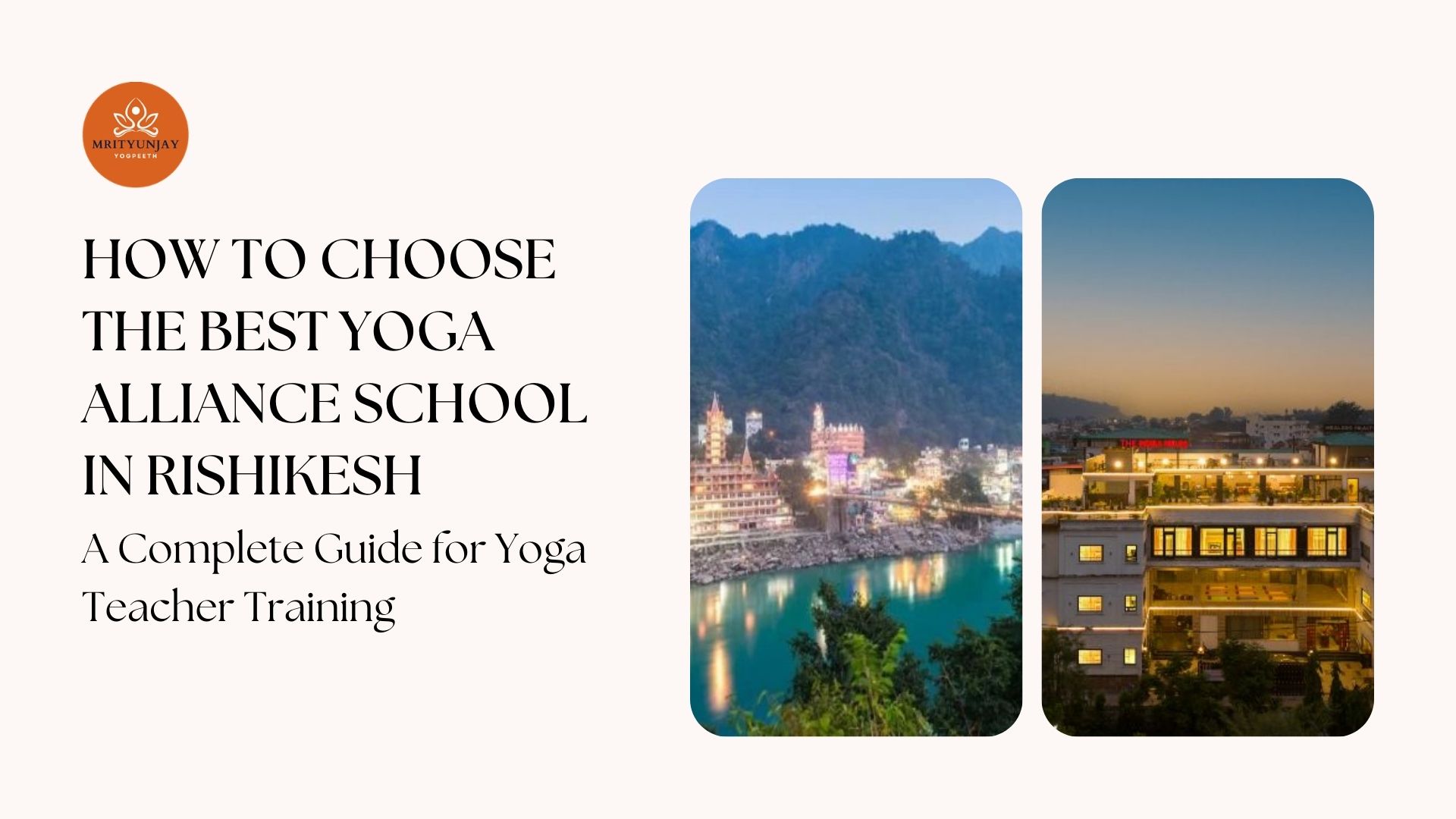
In recent decades, Rishikesh has developed into one of the world’s most recognised destination schools for yoga study. Set in the foothills of the Himalayas and along the banks of the holy Ganga River, the town has long been known for spiritual learning, meditation, and traditional yogic practices. This deep cultural and spiritual legacy draws thousands of students here every year to attend yoga teacher training in Rishikesh.
The increasing number of yoga schools in the region is also due to its growing popularity as a form of education. Nowadays, there are dozens of programs available for 200 hour yoga teacher training in Rishikesh to choose from, many of them advertising themselves as the “best yoga school in Rishikesh.” While this variety gives more choices, it can also be overwhelming with many different options, particularly for students who are new to yoga and may not be familiar with yoga education standards.
Yoga Alliance is one of the most globally recognised international bodies governing minimum training standards and teacher registrations in yoga education today. Most of the Schools in Rishikesh are Yoga Alliance – registered schools, meaning that students obtain internationally recognised certification.
But making a selection just because a school comes up in your Internet search or offers a tempting price is rarely the best strategy. Choosing the best Yoga Alliance school in Rishikesh involves some decent research, a clear picture of the course structure, and knowing what to expect from genuine yoga education.
This guide to Yoga Alliance tracing, understanding the importance of learning yoga in Rishikesh, and most importantly, how to choose the best yoga teacher training school according to personal lifestyle goals and expectations.
What Is Yoga Alliance?
Yoga Alliance is an internationally accepted non-profit organisation that sets the standards for yoga teacher training and maintains an international registry of schools and teachers. Established in the USA back in 1999, the organisation was formed to bring uniformity and professionalism as the yoga industry continued to grow. According to Yoga Alliance, having clear training guidelines allows for yoga education to happen under certain well-accepted guidelines.
Instead of certifying teachers directly with an examination, Yoga Alliance establishes requirements for yoga schools that register to be called a Registered Yoga School ool(RYS). Various RYS’s will then have students register to put behind their name the letters RYT (Registered Yoga Teachers) once they have completed training. Now, this system will promote transparency, credibility, and trust in yoga education globally as students can make informed choices about accredited training programs.
Why Yoga Alliance Matters for Yoga Teachers
There are a number of practical benefits that come with Yoga Alliance registration as a new teacher. This means that it provides evidence of a teacher having satisfied career entry-level expectations from broadly recognised bodies. These programs often cover standardised training and study areas, including yoga philosophy, anatomy, teaching methodology and practice so that instructors have a well-rounded and professional foundation.
Furthermore, registering with Yoga Alliance can help teachers working internationally, as most yoga studios and wellness centres prefer or even require instructors to be RYT certified. Membership in the Yoga Alliance network also includes access to continuing education programs, workshops and professional resources. While registration does not have a formal legal meaning in the field of yoga, it is still considered within the global yoga community as a well-respected professional standard.
Understanding RYT Certifications
There are various levels of teacher registration with Yoga Alliance, depending on your training hours and teaching experience.
Yoga Alliance has multiple tiers of teacher registration based on the training hours completed and the experience of the teacher. RYT 200 is one of the most popular entry-level certifications. As part of this program, the students take a 200-hour yoga teacher training course at one Yoga Alliance-registered school. Your training will typically cover topics such as asana practice and alignment, pranayama, meditation, philosophy of yoga, anatomy and physiology, etc., and teaching methodology. Graduates are eligible to register as Registered Yoga Teachers (RYT 200) upon successful completion of the course.
The RYT 300 is described as an advanced level of yoga training following the basis created in the 200-hour program. This course is designed for practitioners to build on that learning and develop pedagogical skills. Trainings are often focused on advanced yoga philosophy, anatomy in depth, teaching methods, and even more specialised topics such as yoga therapy or advanced sequencing. Teachers who complete the 200-hour and 300-hour programs gain eligibility for higher-level professional recognition.
The RYT 500 designation refers to 500 hours of yoga training (the initial 200-hour program and then the extra 300 hours built in). The YTT certified teachers of this Level would have been exposed to a wider range of yoga practices, teaching methodologies, and philosophies behind yoga. RYT 500 instructors are typically qualified to support students with more depth and broader educational knowledge of yoga as a result of additional training and experience.
Why Rishikesh Is a Popular Destination for Yoga Teacher Training
Rishikesh is a popular town for yoga students around the world, widely regarded as the yoga capital of the globe. Yoga executions also help with meditation; numerous people around the globe practice Yoga to dispose of maladies and maintain healthy skin. Despite this, Yoga is not simply fulfilling all over body, but also ensures you have a quiet brain and acknowledgement towards nature.
1. Spiritual Heritage
For decades, Rishikesh has been known as one of the most spiritually powerful towns in India. Over hundreds of years, sages, yogis,s and spiritual seekers have travelled here for meditation practices as well to study ancient texts and an expansion of understanding around traditional yogic teachings. Rudraprayag, lying by the banks of the sacred Ganges River and within vistas surrounded by the Himalayan range, is where a quiet environment for a natural atmosphere conducive to introspection, discipline and spiritual study has been evolved. Over the years, this long-established custom has also cultivated Rishikesh as a world-renowned hub for yoga and spiritual learning.
This great tradition still draws students and teachers of yoga to the ancient culture from around the globe, seeking to learn about yoga in its original form. Unlike many contemporary studios which offer primarily physical exercise, yoga learning in Rishikesh is usually combined with classical philosophy, meditation, pranayama (breath work), and spiritual comprehension. Consequently, students are usually introduced to a more comprehensive outlook on yoga that includes the practice of postures as well as the extensive principles of yogic living.
2. Traditional Ashrams and Learning Centres
The availability of traditional ashrams is another reason why students prefer yoga teacher training in Rishikesh. Ashrams are spiritual growth communities where yoga is pursued and taught as a lifestyle rather than just an exercise regimen. Being in these environments leads students to experience much deeper levels of yoga, including ethical practices, meditation, self-discipline, and living mindfully. It is a classic method that allows learners to understand the spiritual and philosophical foundations of yogic practice.
These longstanding ashram traditions influence many modern yoga schools of thought in Rishikesh. Even though they may provide structured teacher training classes as well as modern amenities, the way that these programs are taught often includes aspects of classical yogic education. Students may find themselves engaging in daily meditation, chanting mantras, philosophical discussions, or following strict schedules reminiscent of this traditional style of learning that has been around for centuries in Rishikesh.
3. Global Yoga Community
In the last few decades, Rishikesh has morphed into a key international congregation for yoga practitioners. Europeans, North Americans, Australians, and Asians (among other parts of the world) come here to learn how to study yoga in its traditional setting. The town’s standing as a hub of true yoga education and its general spirituality attract those who wish to deepen their practice and their understanding of yogic principles.
This variety of international experience is present when you study with us, providing a unique learning environment where individuals from diverse cultures and backgrounds exercise their practice together. This kind of global community opens the door to cultural exchange, shared experiences, and broader perspectives on yoga and wellness. The students who embark upon Rishikeshthus acquire not only an academic course but also a great way to meet other students and build friendships in the worldwide yoga community.
4. Himalayan Environment and Natural Setting
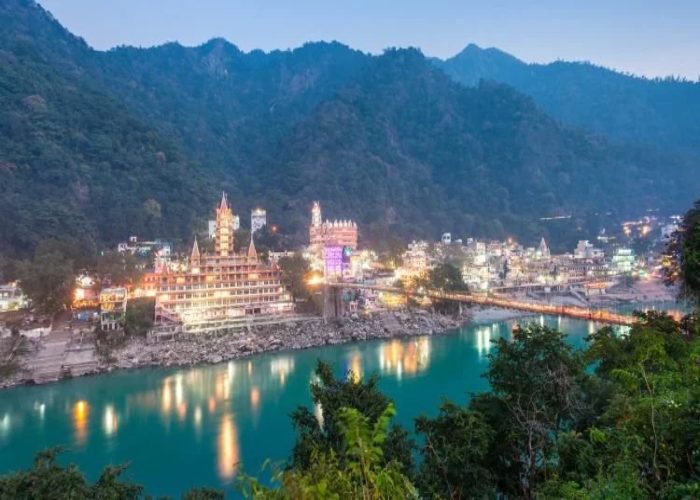
Rishikesh is broadly known for its tranquillity because it is located in the lap of the Himalayas, which highly adds to the beautiful environment of yogic study. The town is blessed with the sacred Ganga River passing through, which invokes peace and spirituality. This is a peaceful environment in nature, surrounded by mountains and fresh air, which encourages meditation, self-realisation, and concentration required to develop intensive yoga teacher training programs.
Understanding Yoga Alliance Certification
Yoga Alliance certification assists in creating uniformity among yoga teacher training programs thanks to being recognised worldwide. Confirming that registered schools adhere to recognised guidelines for curriculum, hours of training and ethics of teaching, it provides students confidence in the quality of programs being offered while enabling program graduates to teach professionally around the world.
Registered Yoga School (RYS)
Schools that meet Yoga Alliance’s educational standards are called Registered Yoga Schools (RYS). 3, and these schools adhere to certain standards aimed at ensuring consistency in the quality level of yoga teacher training programs. In order to become an RYS, schools must show that their training programs will include not only practical components about the practice of yoga, as well as theoretical aspects such as philosophy and teach them in these three ways.
In order to gain this recognition, a school must provide extensive information about its course curriculum, overall training hours, instructor credentials, and instructional methodology. Yoga Alliance evaluates these details to ensure that the program meets established standards. Once approved, the institution may offer its programs /training recognised by Yoga Alliance to graduate students and maintain the title of Registered Yoga Teachers (RYT) and become part of the global community of yoga teachers.
Registered Yoga Teacher (RYT)
A Registered Yoga Teacher (RYT) is someone who has completed a YA accredited teacher training program and registered with Yoga Alliance. This title indicates that the teacher has completed an organised training program based on international standards in yoga education.
In their training, RYT applicants study topics including yoga philosophy, anatomy and physiology, teaching methodology, and practical teaching experience. This can create a strong bridge for future instructors to not just learn how the body moves in yoga postures, but also how to safely, effectively, and responsibly transfer that information onto all manner of students.
Becoming an RYT also connects teachers with the global Yoga Alliance community. It indicates that their education adheres to already recognised standards, enabling studios and students alike to identify a reliable level.
International Recognition
The international recognition is one of the major benefits of a Yoga Alliance-registered certification in Rishikesh. The globally recognised credentials are because Yoga Alliance has set extensive training standards. Students who graduate from Rishikesh can easily find jobs in various other countries and be part of a global yoga community.
This also gives a lot more freedom to many soon-to-be teachers to make their dream of a yoga career come true. So What Does it Mean to Complete a Yoga Alliance–Registered Program? Not a bad thing, necessarily – it just means that the hours of training and curriculum are aligned with certain educational guidelines. Graduates can, therefore, register as Registered Yoga Teachers (RYT) and be able to show credentials that studios, retreat centres and yoga schools around the world recognise.
Yet just being certified does not make one a great teacher. Part of the true effectiveness of a yoga teacher comes from their level and experience in teaching, but also the depths of study, education and training they have devoted to their own practice. However, the path to confident teaching and respect as a yoga instructor requires ongoing learning and practice with an authentic comprehension of yoga.
Accreditation and Yoga Alliance Registration
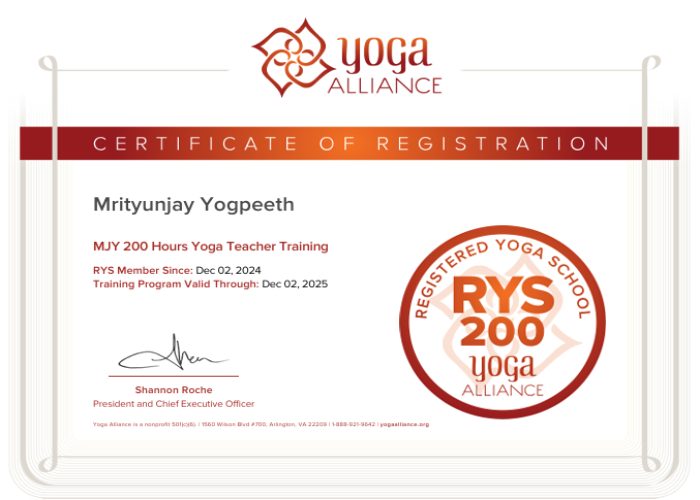
Sleep Well Yoga School: The first place to start when learning about a Yoga Alliance school in Rishikesh is whether the school is registered. When a school is registered, it means that they comply with the training standards defined by Yoga Alliance, which include general rules about how to structure and design an education course in terms of hours and topics covered.
Prospective students may verify this directly on the Yoga Alliance-accredited registry of yoga schools. You can check whether your school is listed as a Registered Yoga School (RYS) by searching the school’s name in this directory and reviewing basic details about its training programs.
Such a verification process contributes to more informed decision-making by the students prior to enrollment in a course. It ensures that the training program adheres to validated educational standards and bestows a sense of credibility and transparency on yoga teacher training. This will also help you avoid unstructured programs that are not registered.
Course Curriculum and Training Structure
In a focused 200-hour yoga teacher training in Rishikesh, the holistic understanding of various traits or dimensions of yoga practice and theory is especially concentrated on.
Asana Practice
Students need the specific postures – you know the foundational postures, alignment principles, and safe adjustments.
Pranayama
Energy-regulating breathing techniques that facilitate meditation.
Meditation
Various techniques to foster concentration and awareness.
Yoga Philosophy
Study of classical texts (e.g., the Yoga Sutras), yogic ethics, and principles.
Anatomy and Physiology
Knowing how the human body works enables teachers to lead students safely.
Teaching Methodology
That guidance may include lesson planning, cueing techniques, class sequencing, and communication skills.

Experience and Qualifications of Teachers
One of the most critical aspects of any yoga teacher training program is the calibre of its instructors. They are not just an instructor who completes the task of teaching you yoga, but play a very essential role in making your students think and practice good yoga. This also informed his teaching through other facets, the physical postures geared toward giving students a solid foundation in all that goes into sharing an available and engaged body, not to mention those things beyond the poses that support balance and thoughtful practice on and off of our yoga mats.
More experienced teachers often carry with them years of personal practice, an established understanding of yoga philosophy, and the skilful means to translate complicated ideas into plain terms. Having taught students at various levels, they can adjust their instruction and offer relevant teaching for more novice practitioners as well as those with more experience.
This is why students are advised to do proper research on the background of their instructors before enrolling on any training program. And checking a teacher’s experience, education and approach to teaching will give students insight into the level of instruction they are likely to receive. Some of the strongest courses merge traditional yogic wisdom with contemporary pedagogy to create a well-rounded approach that will nurture both personal growth and professional development.
Class Size and Personal Attention
How Smaller Class Sizes Impact the Quality of a Yoga Teacher Training Program. Because classes are smaller, instructors can devote more time to individual students and provide better instructions on how to perform the various poses and what the form should look like during practice. Creating this environment allows students to feel more comfortable asking questions and starting the journey of gaining confidence in their learning.
Conversely, more students in the training group can sometimes hinder teachers from giving personal feedback. If they are practising posture, breathing or teaching methods, the students may not get much attention. Because of this, within our full classes, critical corrections or learning opportunities can go by the wayside.
A higher ratio of teachers to students is a hallmark of most schools that enable learning, enhancing interaction and communication between the mentors and mentees. The limited number of students in each session allows instructors to closely monitor practice, offer personalised corrections and guide students more carefully through their teaching development. With such a tailored method, deeper understanding and stronger teaching skills often ensue.
School Environment and Location
Some schools are in coastal areas along the Ganga River, while others are outside the main town, showcasing a quieter side of life.
For students, they should ask themselves what environment is best for their learning:
- Quiet retreat-style setting
- Social community atmosphere
- Traditional ashram experience
Accommodation and Facilities
Most training courses provide lodging and meals.
Students should check:
- Room type (private or shared)
- Meal plans
- Yoga hall facilities
- Cleanliness and safety
The overall experience of learning is often greatly impacted by how comfortable the accommodation itself is.
Authenticity vs Commercialisation
As interest in yoga tourism grows, educators must be wary of schools more concerned with marketing.
Authentic programs usually emphasise:
- consistent daily practice
- philosophical study
- disciplined training environment
Students should also seek schools which build average practices above marketing plans.
Student Reviews and Testimonials
Previous student reviews can offer valuable information.
Look for detailed feedback about:
- teaching quality
- course organization
- teacher support
- learning experience
But students should review the reviews — and read them between the lines.
Post - Course Support and Certification
Other schools include ongoing support after training.
This may include:
- teaching mentorship
- alumni networks
- continuing education workshops
Such support can ease the start of new teachers’ teaching journeys.
Common Mistakes Students Make When Choosing a Yoga School
Beginners often take a wrong step while choosing yoga teacher training courses in Rishikesh, but these mistakes are pretty avoidable.
Choosing Based Only on Price
Training quality can sometimes suffer with these low-cost programs.
Ignoring Teacher Experience
The seasoned instructor is probably the most effective aspect of a training program.
Not Checking Yoga Alliance Registration
Some offer certified training without official registration.
Not Reading Student Reviews
Historical student experiences tell you a lot about program quality.
Questions to Ask Before Enrolling in a Yoga Teacher Training Course
Next, here are some essential questions students should ask before enrolling in a program.
- Are you registered with Yoga Alliance?
- What the curriculum entails: Which subjects are covered?
- Who are the lead instructors?
- What is the daily schedule?
- What are the class sizes like?
- What accommodation is provided?
- Are there additional fees?
Having clear answers to these questions helps students decide whether they want to continue.
The Difference Between a Good Yoga School and a Marketing-Focused School
Charlie expertly described what a good yoga school is all about – education, discipline and authentic practice.
Signs of a good program include:
- detailed curriculum descriptions
- experienced teachers
- realistic expectations
- Focus on philosophy and self-development
In contrast, schools that focus heavily on marketing tend to highlight high-end housing or salon-style treatment, more aggressive advertising techniques, and impossible claims such as “become a yoga master in six weeks.”
Students must remember that yoga teacher training is an intensive educational experience, and not merely a holiday or vacation.
Practical Tips for Choosing the Right Yoga Teacher Training Program
When students put in the research, selecting the right yoga teacher training program begins to appear less daunting. Instead of the first school that pops up in a search, it is good to compare several avenues. As a result, students get to review and assess the course structure of each school they want to learn from, along with several other parameters such as teacher experience, training environment, and learning methodology, before coming to their final decision.
A good step is also reaching out to those who have done the program before and seeing what they think. Former pupils tend to be honest about their experience, including how good the instruction was, what the daily routine might look like, and the quality of the overall learning environment. Reading the course outline in detail is also critical, as good programs keep these descriptions broad, outlining what you will learn, how many hours/units of training will be completed, and where practical teaching experience has made its way into the program.
Checking the school’s social media and in-community presence may also be beneficial to students. Real and active schools regularly post educational materials, real classroom sessions, student experiences, and updates about training programs. These sources can give prospective students a better idea of the school’s teaching style, learning environment, and dedication to meaningfully imparting yoga education.
What to Expect from a Yoga Teacher Training Course in Rishikesh
In Rishikesh, most 200-hour yoga teacher training programs are for a span of about three to four weeks. Some of these programs are intensive, allowing students to gain the necessary training hours in just a set period. As the original curriculum is condensed, students spend the majority of their day learning, practising, and engaging in other forms of study that solidify both theoretical expertise and practical ability.
A usual day might start early in the morning with a series of practices to cultivate awareness and concentration in students. Morning sessions generally consist of meditation, pranayama (breathing techniques) and asana practice. These activities set the stage for everything else in their day while supporting students in deepening their personal practice with yoga postures, breath work and mindfulness.
Students generally have academic periods during the mid-part of the day (the more philosophical ones: yoga philosophy lectures and anatomy classes). These subjects relate to the more profound core concepts of yoga, such as historical evolution, moral principles, functionality in terms of physicality – how does one move and align their body. In the afternoon, the emphasis is typically on teaching methodology and practice teaching – how to lead a class, demonstrate asanas, and cue students.
Evenings are mostly reserved for meditation, self-study, or contemplation. Discipline is woven into many programs as a way of life during training – vegetarian meals, regimented schedules, and few distractions from the outside world. You are equipped to focus on the larger environment, really dive into the learning process here, and nurture both your own yoga practice and community here.
Frequently Asked Questions (FAQ)
What should I look for when selecting a Yoga Alliance school in Rishikesh?
Do your own research about all schools, check if they are registered on Yoga Alliance, review the course outline, and consider the experience & qualification of teachers before finalising!.
Is Yoga Alliance certification necessary?
Although certification is not a legal requirement in order to teach yoga, many of the world’s leading studios and wellness centres prefer instructors with Yoga Alliance–approved training.
What is the price of 200 hours of YTTC in Rishikesh?
Usually, the fee is between 1200 USD and 2500, based on accommodation, facilities, location and overall course structure.
Is yoga teacher training suitable for beginners?
Yes. Most yoga teacher training programs are set up to embrace beginners interested in deepening a personal practice and understanding the fundamentals of how to teach yoga.
What’s the duration of a YTTC program?
The duration of most 200-hour YTTC is about 21 days to 28 days, depending on the school syllabus and training type.
Conclusion
This is a high time or place where your thorough research on the Yoga Alliance school in Rishikesh should begin.
Yoga Alliance certification is a helpful indication of the standards for training, but ultimately, what makes one yoga teacher course stand out from the rest is the quality of teachers, curriculum, and environment.
Rishikesh is a unique place where yogic wisdom blends with the new-age way of yoga learning. However, for many students, to study here is not just a professional step but rather a personal step towards becoming a yoga teacher.
Instead of merely getting a school because the price is right, they market, etc, prospective students need to look at the experience level of their teachers (ideally seasoned professionals), how their course structure looks with an eye towards educational philosophy and alignment with their learning goals.
As students do their research and approach their teacher training programs with clear intent, they will be able to find a program in Rishikesh that truly enables authentic learning and serves to support long-term growth as a yogi practitioner and teacher.