TL;DR
Mantras are repeated sounds, words, or phrases used to focus the mind, calm thoughts, and support meditation or spiritual practice. The word “mantra” comes from Sanskrit: “man” means mind, and “tra” means tool or instrument, so a mantra is often understood as a tool for the mind.
People chant mantras to improve concentration, reduce mental restlessness, support emotional balance, deepen meditation, and connect with spiritual awareness. Beginners can start with simple mantras like Om, So Hum, Om Shanti, I am calm, or I am present for 5–10 minutes daily.
Mantras may support relaxation and mindfulness, but they should not be used as a replacement for medical treatment, therapy, or professional mental health care.
What Are Mantras?
A mantra is a sound, syllable, word, or phrase that is repeated during meditation, prayer, or spiritual practice. Its main purpose is to give the mind a steady focal point.
When the mind becomes distracted, the mantra acts like an anchor. Instead of following every thought, you gently return your attention to the repeated sound or phrase.
In simple words:
A mantra is a repeated sound or phrase used to focus the mind and create inner calm.
Mantras can be chanted aloud, whispered, or repeated silently in the mind. Some mantras come from ancient spiritual traditions, while others are simple personal phrases used for mindfulness and self-awareness.
What is the Meaning of a mantra?
The word mantra comes from Sanskrit.
- Man means mind.
- Tra means tool, instrument, or vehicle.
So, the meaning of mantra is often explained as:
A tool for the mind.
This meaning is important because mantras are not just ordinary words. They are used intentionally to guide the mind away from distraction and toward focus, peace, and awareness.
Why Do People Chant Mantras?
People chant mantras for different reasons. Some use them as part of spiritual practice, while others use them for meditation, stress relief, emotional balance, or better focus.
Common reasons include:
| Purpose | How Mantras May Help |
|---|---|
| Meditation | Give the mind one clear point of focus |
| Stress relief | Support slow breathing and relaxation |
| Focus | Reduce wandering thoughts |
| Emotional balance | Create a calming daily routine |
| Spiritual growth | Deepen devotion, awareness, or inner connection |
| Mindfulness | Bring attention back to the present moment |
| Self-discipline | Build consistency through daily practice |
The power of mantra practice comes from repetition, attention, rhythm, and intention.
Historical and Spiritual Origins of Mantras
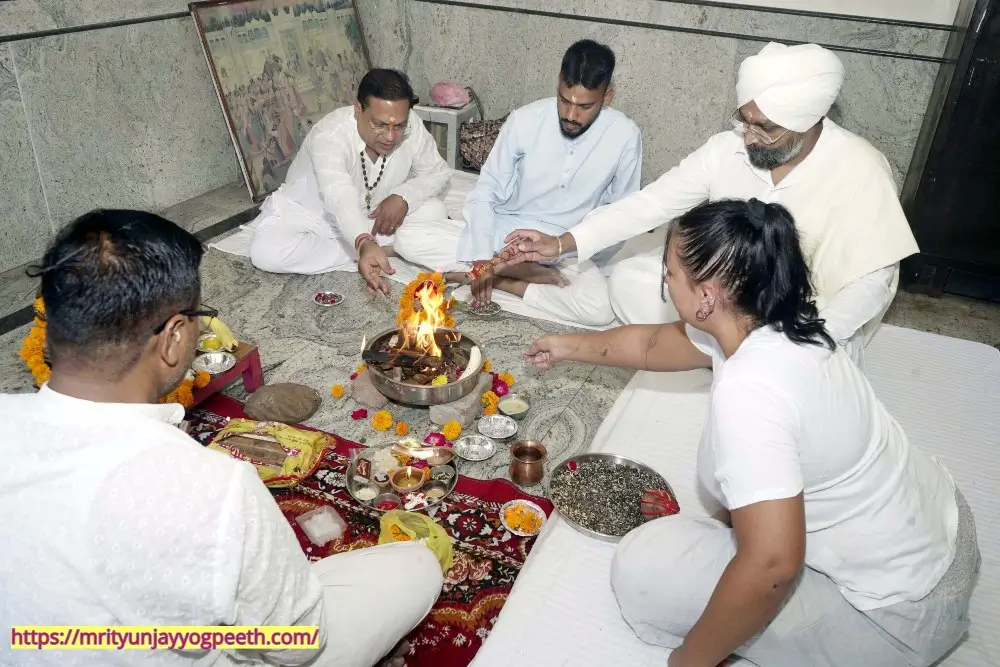
Mantras have deep roots in ancient Indian spiritual traditions. They are especially connected with the Vedas, Upanishads, yoga, tantra, and devotional practices.
In Vedic tradition, mantras were passed down orally from teacher to student. Pronunciation, rhythm, and tone were considered important because the sound pattern itself was believed to carry spiritual meaning.
In yogic traditions, mantras are used to calm the mind and support higher awareness. In devotional traditions, mantras are often associated with a deity, a sacred name, or a divine quality. In tantric traditions, mantras may be combined with breathwork, visualization, and ritual practice.
Today, mantras are practiced by spiritual seekers, yoga practitioners, meditators, and people who want a simple way to calm the mind.
How Do Mantras Work?
Mantras can be understood from both a spiritual and a practical meditation perspective.
Spiritual View
In spiritual traditions, mantras are considered sacred sounds or vibrations. Practitioners believe that repeating a mantra can purify the mind, awaken inner awareness, and connect the individual with a higher state of consciousness.
For example, Om is often described in yogic tradition as a sacred sound connected with universal consciousness.
Practical Meditation View
From a meditation perspective, a mantra works by giving the mind something steady to return to.
When thoughts appear, you do not need to fight them. You simply notice them and return to the mantra. Over time, this practice may help train attention and reduce mental restlessness.
Mantra repetition may support:
- Better focus
- Slower breathing
- Mental calmness
- Emotional steadiness
- Present-moment awareness
- A regular meditation habit
The process is simple: repeated focus creates mental stability.
The Power of Sound and Vibration
Sound affects the body and mind. A soothing sound can calm us, while a harsh sound can disturb us. Mantras use this natural relationship between sound, rhythm, breath, and attention.
When you chant a mantra aloud, the sound creates vibration in the body. When you repeat it silently, the mind follows the rhythm internally. In both cases, the mantra gives your awareness a steady direction.
However, the sound alone is not everything. Intention matters.
A mantra repeated mechanically may have a limited effect. A mantra repeated with attention, patience, and sincerity becomes a stronger practice.
Types of Mantras
Not all mantras are the same. Different mantras are used for different purposes.
| Type of Mantra | Meaning | Examples | Best For |
|---|---|---|---|
| Bija mantras | Seed sounds with symbolic energy | Om, Lam, Ram, Hreem | Traditional practice, chakra focus |
| Vedic mantras | Mantras from ancient Vedic tradition | Gayatri Mantra | Ritual, prayer, meditation |
| Devotional mantras | Sacred names or phrases | Om Namah Shivaya, Hare Krishna | Devotion and spiritual connection |
| Buddhist mantras | Mantras used in Buddhist practice | Om Mani Padme Hum | Compassion and mindfulness |
| Peace mantras | Mantras for calmness and harmony | Om Shanti Shanti Shanti | Relaxation and inner peace |
| Personal mantras | Self-chosen phrases | I am calm, I am present | Beginners and daily mindfulness |
Best Mantras for Beginners
Beginners should choose a mantra that is simple, easy to remember, and comfortable to repeat.
Here are some beginner-friendly mantras:
1. Om
Best for: Simple meditation and spiritual focus.
Om is one of the most well-known sacred sounds in Indian spiritual traditions. It is short, easy to chant, and often used at the beginning or end of meditation.
2. So Hum
Best for: Breath-based meditation.
“So Hum” is often interpreted as “I am that.” You can repeat So while inhaling and Hum while exhaling.
3. Om Shanti
Best for: Peace and relaxation.
“Shanti” means peace. This mantra is often used to invite calmness and harmony.
4. I Am Calm
Best for: Non-religious mindfulness practice.
This is a simple personal mantra for people who want a secular practice.
5. I Am Present
Best for: Focus and grounding.
This mantra helps bring attention back to the present moment.
How to Choose the Right Mantra
The right mantra depends on your purpose.
| Your Goal | Suggested Mantra |
|---|---|
| Inner peace | Om Shanti |
| Better focus | Om or I am present |
| Breath awareness | So Hum |
| Spiritual devotion | Om Namah Shivaya |
| Self-confidence | I am steady |
| Stress relief | I am calm |
| Compassion | Om Mani Padme Hum |
Choose one mantra and stay with it for some time. Constantly changing mantras can make it harder to build depth in practice.
Benefits of Chanting Mantras
Mantra practice may support mental, emotional, and spiritual well-being when done consistently.
1. Helps Calm the Mind
The mind naturally jumps from one thought to another. A mantra gives it one steady focus. This may help reduce mental noise and create inner stillness.
2. Supports Stress Relief
Chanting often slows the breath. Slow, rhythmic breathing can help the body relax and create a sense of calm.
3. Improves Focus
Repeating a mantra trains attention. Every time you return to the mantra, you strengthen your ability to concentrate.
4. Supports Emotional Balance
A regular mantra practice may help create space between emotions and reactions. This can make it easier to respond calmly instead of reacting impulsively.
5. Builds Self-Awareness
During mantra practice, you begin to notice how often the mind wanders. This awareness helps you understand your thought patterns more clearly.
6. Deepens Meditation
Many beginners struggle with silent meditation because the mind feels too active. A mantra gives the mind a simple object of focus, making meditation easier.
7. Strengthens Spiritual Connection
For spiritual practitioners, mantras can create devotion, surrender, inner purity, and a deeper connection with the divine or higher consciousness.
8. Creates a Positive Daily Habit
Practicing a mantra every day creates structure. Even a few minutes of daily chanting can become a peaceful ritual.
Can Mantras Help With Stress and Anxiety?
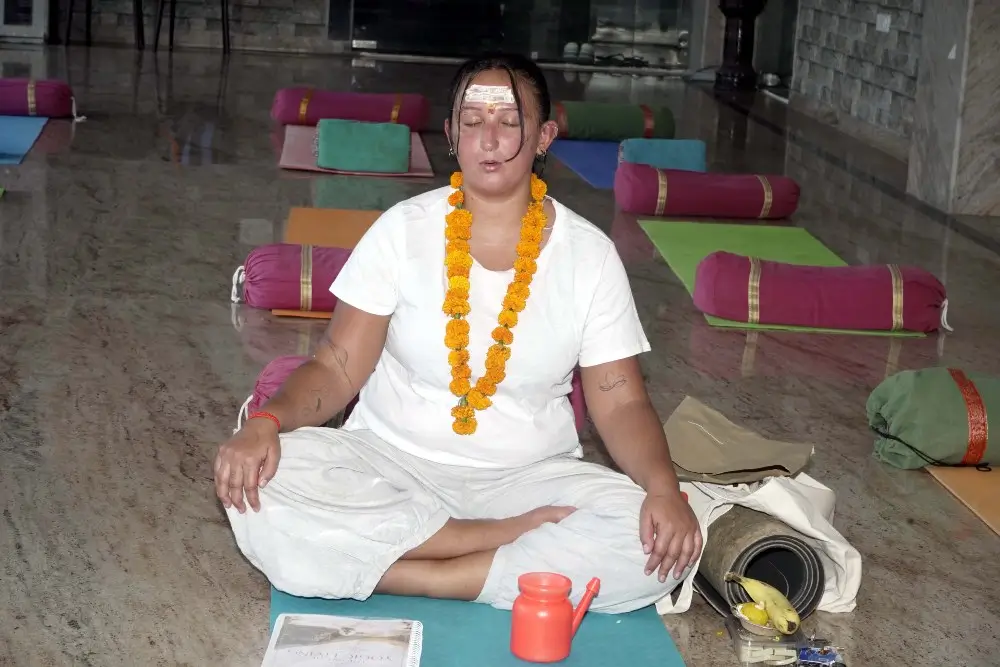
Mantras may help some people manage stress by calming the mind, slowing the breath, and creating a steady focus.
A simple stress-relief practice is:
- Sit comfortably.
- Close your eyes.
- Inhale slowly.
- Silently repeat So.
- Exhale slowly.
- Silently repeat Hum.
- Continue for 5 minutes.
This practice may help you feel more grounded. However, mantra meditation is not a cure for anxiety disorders, depression, trauma, or other mental health conditions. If you are struggling, seek support from a qualified professional.
Spiritual Powers of Mantras
The “spiritual power” of mantras is often misunderstood. It does not necessarily mean instant miracles or supernatural control.
In a deeper sense, the spiritual power of mantras comes from their ability to transform the inner state of the practitioner.
Mantras may help develop:
- Inner peace
- Concentration
- Devotion
- Self-discipline
- Emotional purification
- Awareness
- Patience
- Compassion
- Connection with the divine
- A deeper understanding of the self
In spiritual traditions, mantras are believed to purify the mind and awaken higher consciousness. In practical terms, this may be experienced as calmness, clarity, emotional balance, and a stronger connection with the present moment.
Mantras and the Subconscious Mind
The subconscious mind is shaped by repetition. Thoughts, emotions, beliefs, and habits become stronger when repeated regularly.
Mantras work through the same principle.
When you repeat a calming or sacred phrase every day, the mind begins to associate that sound with stillness, focus, and peace. Over time, the mantra may become an inner anchor.
For example, if you regularly chant I am calm, the phrase may naturally return to your mind during stressful moments. This can help you pause, breathe, and respond more consciously.
This is why consistency matters more than intensity.
Mantra Meditation Practice
Mantra meditation is simple and beginner-friendly.
The practice involves repeating a chosen mantra while keeping your attention on the sound, rhythm, or meaning of the mantra.
You can practice mantra meditation in three ways:
| Method | How It Works | Best For |
|---|---|---|
| Loud chanting | Chanting the mantra audibly | Beginners, group practice, energy |
| Whisper chanting | Repeating softly | Gentle private practice |
| Silent repetition | Repeating in the mind | Deep meditation and quiet places |
No method is better for everyone. Choose the one that feels natural and sustainable.
How to Chant Mantras Correctly: Step-by-Step Guide
You do not need to be perfect to begin. Start simply.
Step 1: Choose One Mantra
Pick a mantra that feels meaningful and easy to repeat.
Examples:
- Om
- So Hum
- Om Shanti
- I am calm
- I am present
Step 2: Sit Comfortably
Sit on a chair, cushion, or floor. Keep your back straight but not stiff. Relax your shoulders and face.
Step 3: Breathe Slowly
Take a few deep breaths before starting. Let your body settle.
Step 4: Start Repeating the Mantra
Repeat the mantra aloud, softly, or silently.
Do not rush. Keep the rhythm steady and natural.
Step 5: Focus on the Sound
Listen to the sound or feel the mantra in your mind. If you are chanting silently, focus on the inner repetition.
Step 6: Return When the Mind Wanders
Your mind will wander. This is normal.
When you notice distraction, gently return to the mantra without judging yourself.
Step 7: Practice for 5–10 Minutes
Beginners can start with 5 minutes daily. Once it feels natural, increase the time gradually.
What Is Japa Mantra Practice?
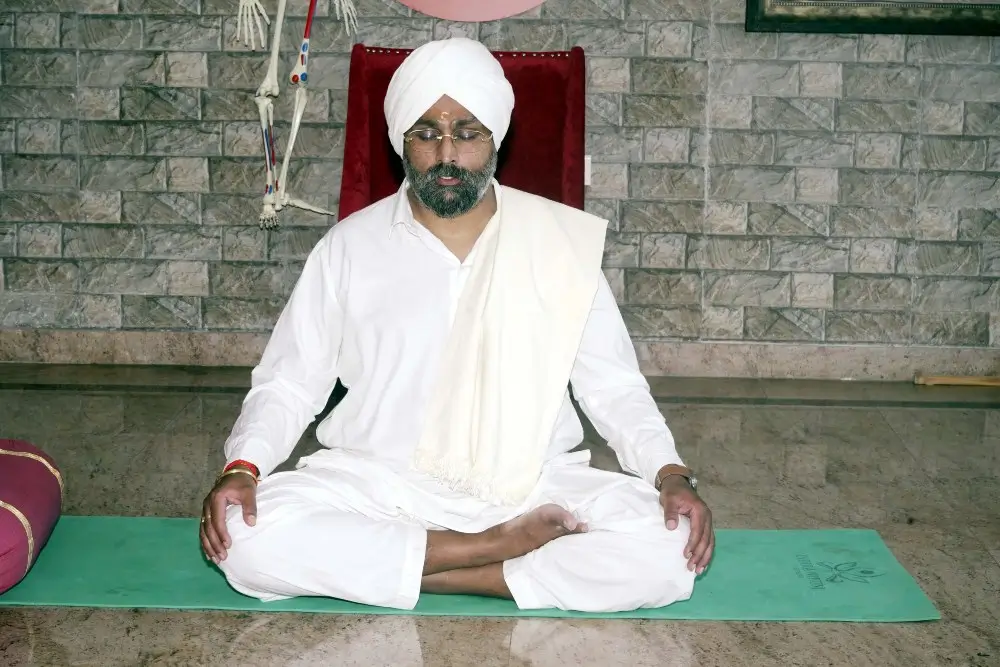
Japa means repetition of a mantra. It is often practiced with a mala, a string of 108 beads.
In Japa practice, you repeat the mantra once for each bead. This helps you keep count and maintain rhythm.
How to Practice Japa
- Hold the mala in one hand.
- Choose your mantra.
- Repeat the mantra once per bead.
- Move to the next bead after each repetition.
- Continue until you complete the mala.
- Keep your focus on the mantra, not on speed.
Japa is useful for people who want a more structured mantra practice.
Vocal Chanting vs Silent Chanting
Both vocal and silent chanting can be effective.
| Vocal Chanting | Silent Chanting |
|---|---|
| Uses audible sound | Happens inside the mind |
| Helpful for beginners | Helpful for deeper meditation |
| Creates physical vibration | Builds inner concentration |
| Good for group practice | Good for private practice |
| Easier to maintain rhythm | Can be done anywhere quietly |
If you are new, start with vocal chanting. Once you become comfortable, try silent repetition.
When Is the Best Time to Chant Mantras?
The best time to chant mantras is the time you can follow consistently.
Common times include:
- Early morning
- Before meditation
- After yoga
- During stressful moments
- Before sleep
- Evening after work
Traditionally, early morning is considered ideal because the mind is usually quieter. But if morning is not possible, choose any time that works for your routine.
Consistency is more important than the exact time.
How Long Should You Chant a Mantra?
Beginners can start with 5 to 10 minutes daily.
A simple guide:
| Level | Duration |
|---|---|
| Beginner | 5 minutes |
| Regular practitioner | 10–20 minutes |
| Deep practice | 20+ minutes or one mala |
Quality matters more than duration. Five minutes of focused chanting is better than thirty minutes of distracted chanting.
Importance of Consistency and Intention
Consistency is one of the most important parts of mantra practice.
Chanting once in a while may bring temporary calm, but daily practice creates bigger change. Repetition trains the mind to return to stillness more easily.
Intention is also important.
Before chanting, ask yourself:
- Why am I practicing?
- Do I want peace?
- Do I want to focus?
- Do I want a spiritual connection?
- Do I want emotional balance?
A clear intention gives direction to the practice. When consistency and intention come together, mantra chanting becomes more meaningful and powerful.
Common Mistakes in Mantra Practice
Avoid these common beginner mistakes:
| Mistake | Better Approach |
|---|---|
| Expecting instant results | Practice patiently |
| Forcing concentration | Return gently to the mantra |
| Changing mantras too often | Stay with one mantra for some time |
| Chanting mechanically | Practice with attention and intention |
| Worrying too much about pronunciation | Learn gradually |
| Practicing only when stressed | Build a daily habit |
| Ignoring the breath | Let breath and mantra work together |
| Comparing your practice with others | Focus on your own journey |
Mantra practice should feel steady, gentle, and sincere. It is not about pressure or perfection.
Are Mantras Religious?
Some mantras are religious or devotional. For example, many Sanskrit mantras are connected with Hindu, Buddhist, Sikh, or yogic traditions.
However, mantra practice can also be non-religious.
A person can repeat simple phrases like:
- I am calm.
- I am present.
- I breathe in peace.
- I let go.
So, mantras can be:
- Spiritual
- Religious
- Meditative
- Personal
- Secular
It depends on the mantra and the intention of the person practicing it.
Who Should Practice Mantras?
Mantra practice can be helpful for many people, including:
- Beginners in meditation
- People who want better focus
- People dealing with everyday stress
- Yoga practitioners
- Spiritual seekers
- People who want a calming daily routine
- Anyone interested in mindfulness
Mantras are simple and accessible. You do not need special equipment or advanced spiritual knowledge to begin.
However, people with severe anxiety, trauma, depression, or other mental health concerns should use mantra meditation as a supportive practice, not as a replacement for professional care.
Are Mantras Scientifically Proven?
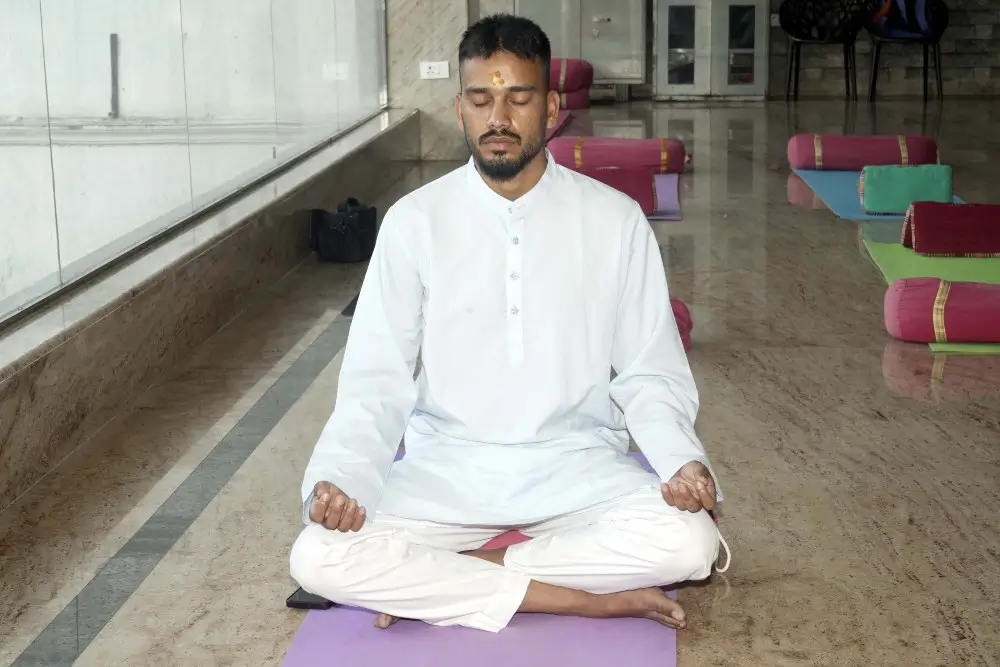
Mantra practice has similarities with meditation, breath awareness, rhythmic repetition, and focused attention. These practices are often associated with relaxation, improved attention, and emotional regulation.
However, not every traditional claim about mantras has been scientifically proven.
The balanced view is:
- Spiritually, mantras are sacred sounds used for transformation and higher awareness.
- Practically, mantras are repeated sounds or phrases that help focus the mind.
- Scientifically, mantra-like meditation may support relaxation and attention, but more research is needed for specific claims.
Mantras are best understood as a supportive practice for mental calmness, focus, and spiritual growth.
Simple Daily Mantra Routine for Beginners
Here is an easy routine you can follow:
- Choose one mantra.
- Sit comfortably.
- Close your eyes.
- Take three slow breaths.
- Repeat the mantra slowly.
- Continue for 5 minutes.
- When your mind wanders, return gently.
- End with a moment of silence.
Example:
Inhale: So
Exhale: Hum
Practice this daily for one week and notice how your mind and body feel.
Frequently Asked Questions About Mantras
What is a mantra?
A mantra is a repeated sound, word, or phrase used to focus the mind, support meditation, and create inner calm.
What does mantra mean?
The word mantra comes from Sanskrit. “Man” means mind, and “tra” means tool or instrument. A mantra means “a tool for the mind.”
What is the best mantra for beginners?
Good beginner mantras include Om, So Hum, Om Shanti, I am calm, and I am present.
How long should I chant a mantra?
Beginners can chant for 5–10 minutes daily. With practice, you can increase the time to 15–20 minutes or use a mala for 108 repetitions.
Can I chant a mantra silently?
Yes. Silent chanting is effective and can be useful for deeper meditation or quiet environments.
Do I need perfect pronunciation?
For traditional Sanskrit mantras, pronunciation is important, but beginners should not become stressed about perfection. Learn slowly and practice sincerely.
Can mantras reduce stress?
Mantras may help reduce everyday stress by calming the mind, slowing the breath, and creating a steady point of focus.
Can mantras change your life?
Mantras can support positive change when practiced consistently. They may improve focus, emotional balance, self-awareness, and inner peace over time.
Are mantras only for Hindus?
No. Many traditional mantras come from Hindu, Buddhist, Sikh, and yogic traditions, but mantra-style repetition can also be practiced in a secular way.
When should I chant mantras?
Morning and evening are common times, but the best time is whenever you can practice consistently.
Which is better: chanting aloud or silently?
Both are useful. Chanting aloud helps beginners stay focused, while silent chanting is helpful for deeper inner meditation.
How many times should I repeat a mantra?
You can repeat a mantra for a fixed time, such as 5–10 minutes, or count repetitions using mala beads. A traditional mala usually has 108 beads.
Conclusion
Mantras are simple but powerful tools for the mind. By repeating a sound, word, or phrase with attention and intention, you can train the mind to become calmer, clearer, and more focused.
In spiritual traditions, mantras are sacred vibrations used for devotion, purification, and higher awareness. In daily life, they can also be used as practical tools for meditation, stress relief, mindfulness, and emotional balance.
The key is not perfection. The key is consistency.
Start with one simple mantra. Practice for a few minutes every day. Let your breath become steady, let your mind return to the sound, and let the practice grow naturally.
Over time, mantra chanting can become a peaceful daily habit that supports clarity, inner balance, and self-awareness.