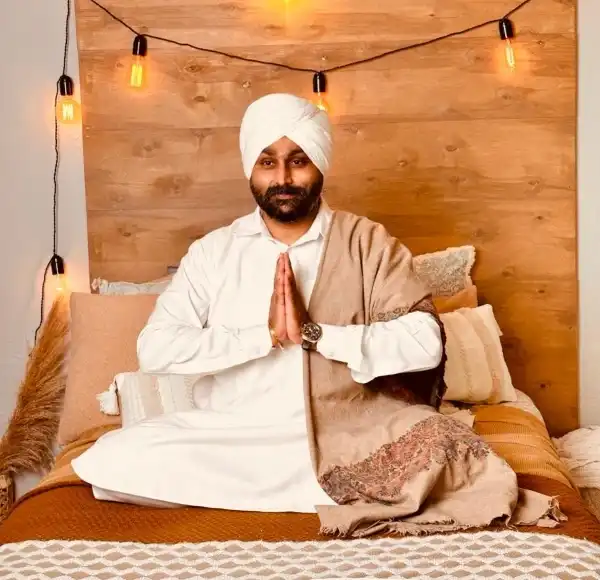
The practice of yoga considers seated postures as vital elements that create a peaceful environment for practitioners to achieve complete awareness beyond their physical movements. The true essence of yoga lies beyond its common view as a practice for developing flexibility and performing active movements, as the discipline reaches its deepest state through silent meditation. The practice of sitting postures establishes an essential foundation that enables practitioners to observe their breath, meditate, and study their own thoughts. The techniques enable users to achieve full-body relaxation while their minds enter a state of peacefulness, allowing them to shift their attention from external activities to their internal world.
The practice of Ardha Padmasana functions as a simple transition between basic sitting and more difficult meditative positions. The position offers more structure than basic cross-legged seating, yet remains easier to perform than complete Lotus Pose. The practice establishes equilibrium, which enables beginners and experienced practitioners to develop comfort with stability and awareness of seated positions without experiencing excessive difficulty.
Pranayama meditation and traditional yoga practices use Ardha Padmasana because it enables practitioners to achieve both grounding and alertness. The lower body remains fixed while the spine ascends to create a position that combines both standing and restful elements. Yoga practitioners need to maintain silence through their controlled breathing patterns as they practice stillness.
Understanding Ardha Padmasana (Half Lotus Pose)
The word Ardha Padmasan comes from Sanskrit, where Ardhameans “half”, Padma literally means “lotus”, and Asana stands for “pose”. Padma means lotus, indicating that the name of the pose is an incomplete version of Lotus Pose or Padmasana Yoga asana. The practitioner then sits down and crosses one of their legs over the other bent leg. This is a very flower, to be sure, but the baseline design feels like lotus opened petals yoga is thought to represent full person advancement, mind clarity, and spiritual growth.
The opposite coolness in the natures of Ardha Padmasana includes two different, unmatched moments, for the construction of this position is what makes it firm and serene for your particle. With an imbalance like that, you create a natural want for the body to fall in a direction because weight is not distributed evenly, and as a result behaves unbalanced and weak. We visualise the torso rising through and up the spine while the pelvis remains glued to the floor. The shoulders drop, and the hands may rest in mudra or at the knees. You make users more stable by keeping them on the inside rather than the outside.
Lotus-derived postures have been intimately associated with meditation and respiratory practices for thousands of years. The legs’ configuration generates a stable base, somehow restricting movement and allowing human beings to sit for prolonged time periods. The first stage of lotus pose is Ardha Padmasana, or half lotus, as this is a practice teaching the hips to open with less stress and tension for the knees. According to the yoga development guideline, in light of the fact that advancement can only come through a profound and gradual process, this individual ought to pursue it with aware mindfulness.
Preparing the Body for Ardha Padmasana
People need to warm up their bodies before they can do Ardha Padmasana because they need to specifically focus on their hip joints, knee joints, and ankle joints. The pose requires the hips to turn outward, which permits leg movements that keep joints free from stress. The hip joints need to function properly because people use their knee joints as an alternative when their hip joints lack complete movement ability, which leads to painful or harmful conditions. The practice of building hip joint mobility helps create a secure base, which enables safer execution of the pose.
Practitioners face common difficulties, which include hip tightness, knee stiffness, and restricted overall body flexibility. The process includes these challenges, which require practitioners to proceed with gradual understanding instead of rushing through their training. Body adaptation occurs through regular exercise, particularly for individuals who have to sit in chairs for extensive periods and who move very little during their daily activities. Mindful yoga practice requires practitioners to respect their physical boundaries by practising without any effort to compel their body systems.
The body benefits from gentle preparatory movements, which lead to better comfort and improved experience because these movements generate positive outcomes. Simple practices like butterfly pose, seated forward bends, and slow hip rotations help release tension and improve joint mobility. Developing awareness of posture now becomes essential for our betterment. The body learns to maintain proper alignment through the practice of sitting upright with a neutral spine during all basic positions. The body achieves better stability, which helps people enter Ardha Padmasana with more natural control and comfort.
Step-by-Step Guide to Ardha Padmasana
For this exercise, you sit on the floor with your legs in front of your body. That means your low back lifts and the shoulders dip down. In other words, with your hands at the root of your thighs or by your hips. The first position has you noticing the movement inside your body that creates a firm foundation for you to stretch into the yoga pose.
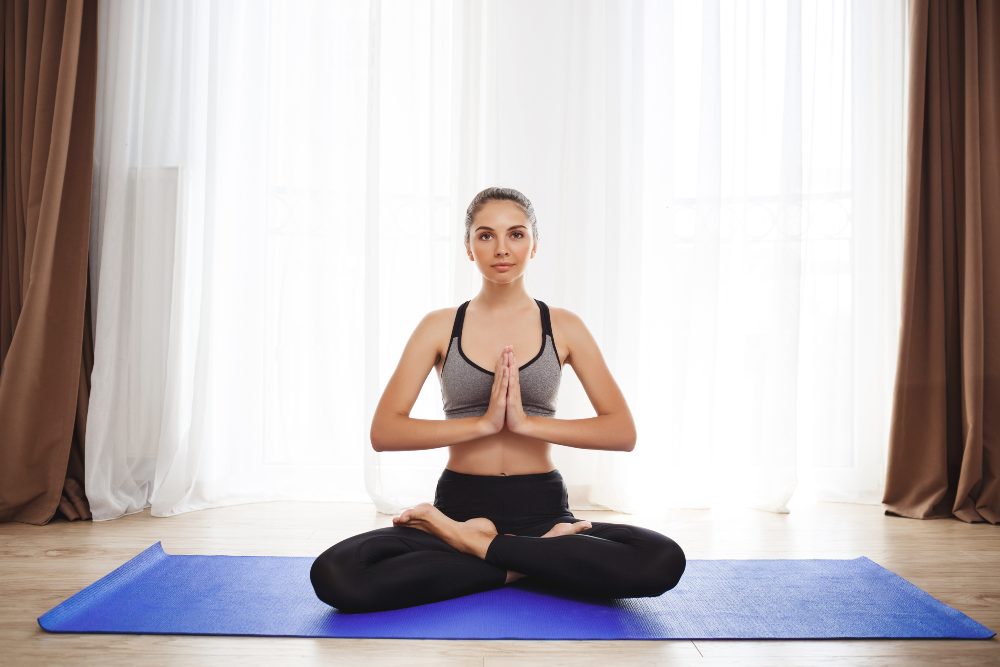
Begin seated, and bend one of your legs to pull that foot in next to the thigh on the opposite side. Place the foot on the top thigh – sole up. If it feels ok, heel close to the low abdomen + “It’s a compression of your body” with all of that going forward, and they expect you to feel slow and deliberate with the movement. It helps the body not to get rigid, so while each step should be taken evenly, there is no stress in the knees and ankles.
You needed to point the alternate limb beneath you – until that knee plunged into dirt. What you have to do in this asana is that one leg has to be your base of the pose, but all your body remains relaxed. This is being in balance with gravity, evenly spaced between your sitting bones and the earth, gives you a sense of stillness. If you feel like your left side is a little heavier than the right side, those will balance out really minor shifts of all your body.
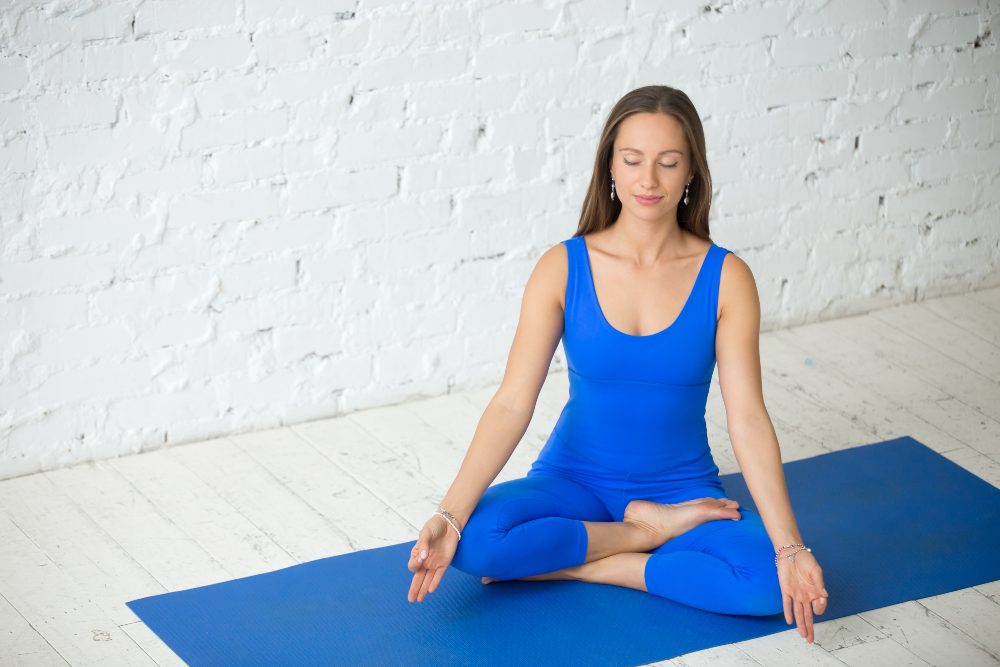
It’s only once you’ve got the legs sorted that you can worry about the upper body. And you want some ease in the lengthening of your spine. You have to do it as you loosen up your shoulders and float your neck in line with the base of your spine. In case of, it helps keep the hands on the knees or in some simple mudra, e.g., chin mudra. Finally, let the eyes close – or the gaze soften enough so the body can invite deep, tender rest.
Breathing in Ardha Padmasana
Breath becomes vital for seated postures because practitioners focus on breath control during meditation, which includes Ardha Padmasana practice. The practice requires the breath to be free-flowing, yet the practitioner must sustain continuous, unbroken breathing through relaxed lung function. Your breath pattern shows the way to find your inner paradise. The position requires you to let your body breathe naturally according to its natural rhythm. Users reach peacefulness through soft awareness, which assists them in departing from their turbulent thoughts.
The body becomes more aware of its breathing when it maintains complete stillness, which allows it to remain in its space. Diaphragmatic breathing becomes much easier through this process of stopping. Your abdomen expands during your breath intake, while your stomach goes back to its normal position after your breath output. People must allow their body movements to develop through their own natural process because people should not attempt to exceed their natural human limits. The breathers will experience relaxed behaviour because the breathing technique helps them release all physical discomfort while they maintain correct body posture. You will learn to remain conscious of your physical self through the process of waiting, which will continue to develop your skill.
Breath serves as the sensitive connection point which connects both body and mind. The body achieves relaxation when a person breathes in a consistent pattern because the body interprets this pattern as a signal from the nervous system that indicates safety. Those who lack this state of tranquillity endure extreme physical distress while they attempt to remain seated. You begin your self-examination process after you create a physical barrier which isolates you from the active exterior environment. Ardha Padmasana and its variations provide methods for practising meditation and breathing awareness to achieve mental clarity, sustained concentration and inner peace.
Ardha Padmasana for Meditation
The meditation position Ardha Padmasana delivers practitioners equal comfort and stability, which makes it an appropriate position for their breathing exercises. The stable foundation created by the legs allows the body to maintain equilibrium without moving needlessly. The body reaches complete stillness, which allows the mind to reach a state of intense focus. The body remains in a fixed position, which helps you concentrate because it enables you to stay focused without needing to make adjustments or deal with interruptions. Your body weight begins to feel like a supportive force, which allows you to meditate at your preferred speed.
The most basic meditation method through this posture involves practising breath awareness. The practice of breath control begins when one sits in Ardha Padmasana. The process requires you to observe your breathing pattern throughout each breath cycle, which includes both inhalation and exhalation, without any attempt to control your breathing. The mind uses this silent observation method to maintain its focus, which helps to minimise both restlessness and mental activity. The breath serves as an anchor point, which creates a continuous cycle of breathing patterns that leads to a peaceful state of mind.
The people who watch their thoughts while maintaining distance from their thoughts discover this practice to be beneficial. You should let thoughts come and go without reacting to them or analysing them, similar to how you would observe clouds that travel across the sky. The practice establishes emotional distance from automatic thought patterns,s which leads to mental transparency. The daily practice of Ardha Padmasana requires you to spend only a few minutes each day, which will help you develop inner awareness. The practice establishes a growing state of physical silence, which enhances your capacity to understand your mind by means of your thoughts and your breath.
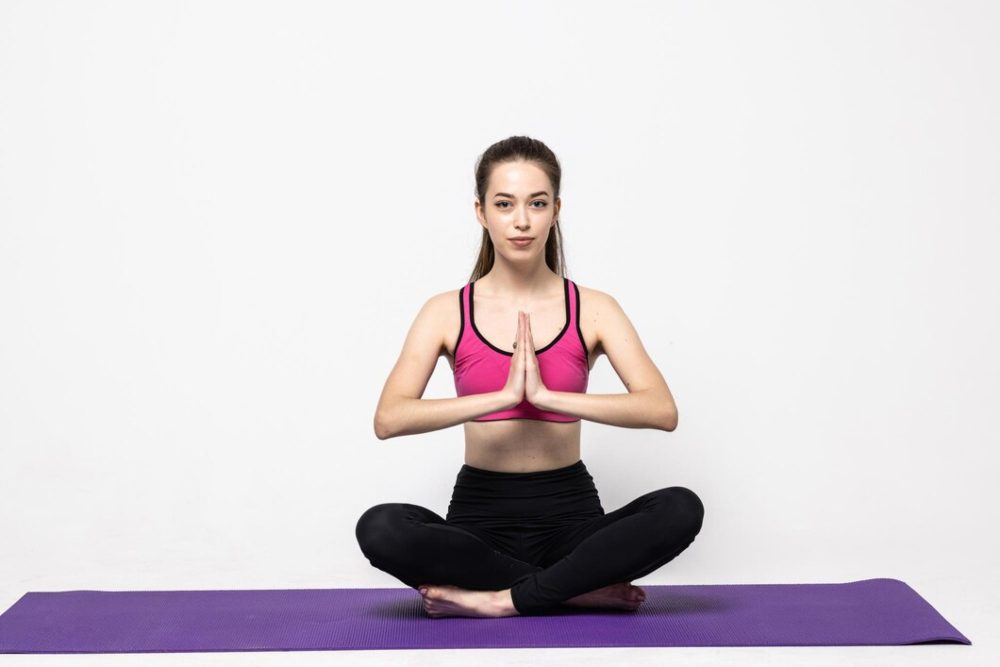
Benefits of Practising Ardha Padmasana
Ardha Padmasana offers both physical and mental benefits by improving flexibility, posture, and focus. Regular practice enhances body alignment, reduces stress, and creates a stable foundation for meditation and overall well-being.
Improves hip flexibility and mobility
Regular practice gradually opens the hips and improves joint movement. It supports safe external rotation, reduces pressure on the knees, and makes seated yoga postures more comfortable and stable.
Enhances posture and spinal alignment
This pose encourages an upright spine, relaxed shoulders, and an open chest. It is especially helpful for correcting slouched posture caused by prolonged sitting and builds long-term body awareness.
Promotes mental clarity and focus
The stable seated position, combined with controlled breathing, helps calm the mind. It reduces distractions and improves concentration, making it ideal for meditation and mindfulness practices.
Reduces stress and improves relaxation
Ardha Padmasana helps release physical tension and calms the nervous system. This leads to emotional balance, deeper relaxation, and an overall sense of inner peace.
Precautions and Safety Guidelines
The practice of Ardha Padmasana provides yogis with mental and emotional benefits that surpass the physical benefits of this yoga position. The practice of stillness, together with controlled breathing techniques, helps practitioners achieve better focus skills. The silent space enables users to concentrate because no mental disturbances exist. The pose helps the body to let go of stress, which enables it to achieve deeper relaxation. The practice of Ardha Padmasana provides emotional stability through its combination of relaxation techniques and mental peace, which supports your overall health.
The primary rule of this posture requires practitioners to protect their knees throughout the performance. The foot placement process requires movement to start from the hips, while the knee joint must remain stable during this process. Knee joint problems occur when people try to stretch their legs because their hip joints do not provide enough range of motion, which results in excessive force on the knee joint. The body needs to move at a slow speed, which should continue until the body reaches its natural boundaries. The practitioner maintains a safe and sustainable posture by keeping the foot in a relaxed state while avoiding any movements that involve pushing or pulling.
The process of entering and exiting Ardha Padmasana requires practitioners to perform their movements in a deliberate manner, which follows a slow pace. The body experiences joint discomfort when sudden movements occur because the body lacks control over its speed and direction. The pose requires you to exit when your body experiences sharp pain, together with pinching feelings and numbness.
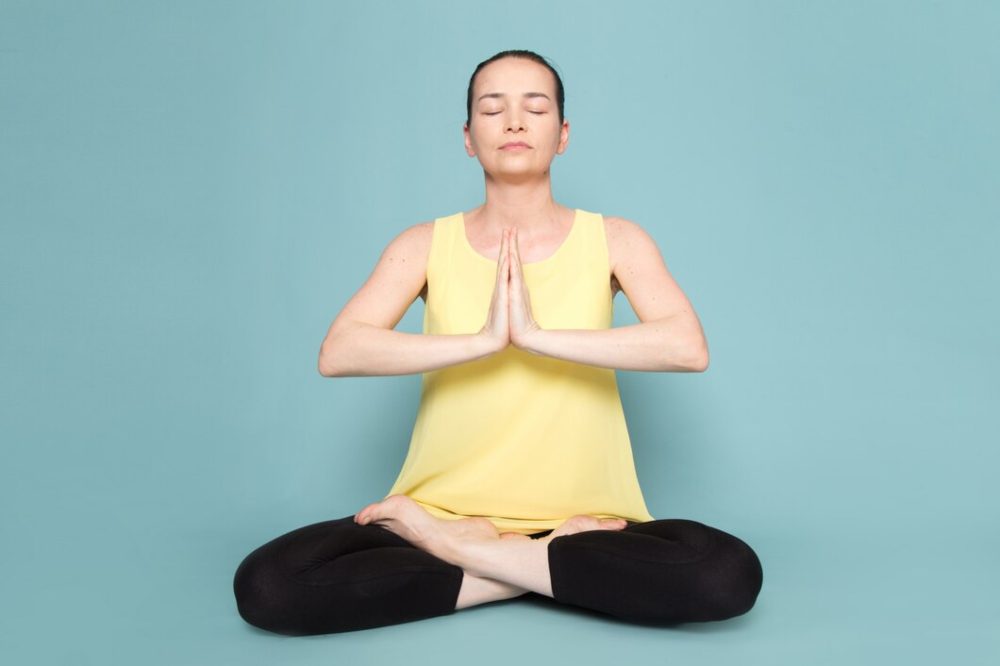
Common Mistakes in Ardha Padmasana
The common error people make in Ardha Padmasana happens when they attempt to position their foot on the opposite thigh while lacking sufficient hip flexibility. The body forces movements because people need to open their hips, but they cannot achieve the required flexibility. This condition progresses over time to produce pain, which can result in injuries. The body should maintain a natural state of rest during the entire period of this posture.
The practitioner needs to perform the posture with slow movements, which enable their hips to open while their knees stay protected. Practitioners need to walk at a slow pace because this enables them to honour the physical boundaries of their bodies. The common problem with this pose occurs when practitioners allow their back to collapse into a slouched position. The back collapse results in two negative effects because it decreases the benefits of the posture, and it produces tension in the lower back and shoulder regions. Your body maintains better balance through an upright spine, which also enables correct breathing and improved energy circulation. The spine should not be forced into a straight position because the body needs to be able to lengthen itself naturally toward a stable yet comfortable position.
Practitioners tend to maintain excessive tension in their shoulders, face, and jaw without knowing about it. The hips should guide the movement because some people pressure their knees instead of moving with their hips. The subtle misalignments create difficulty for practitioners who must execute the correct posture. The Ardha Padmasana posture provides both stability and relaxation to practitioners who require only basic alignment maintenance. The posture achieves its full comfort and supportive nature through the release of body tension while the practitioner maintains full body awareness. The physical and mental benefits of the practice improve when the practitioner maintains full body awareness.
Variations of Ardha Padmasana
Beginners should start their first seated yoga postures by learning the basic cross-legged position. The basic posture enables the body to progress toward floor-sitting while people learn how to maintain proper alignment and find comfortable positions. The method provides an initial experience of hip opening, which requires minimal effort from the joints. People become better at sitting upright because they practice more, which helps them achieve Ardha Padmasana.
The Ardha Padmasana variation lets practitioners put their foot on their opposite leg at a lower point instead of putting it directly on their thigh. The posture intensity decreases through this method while the essential structure of the position stays unchanged. The solution proves helpful for people who struggle with hip tightness and knee discomfort. The modified practice enables you to develop your flexibility through gradual progression because it prevents you from practising beyond your current capabilities.
Ardha Padmasana exists as a position that connects Sukhasana and Padmasana. The position provides better balance and support than a basic cross-legged stance, yet it remains simpler than full Lotus. Practitioners should conduct their yoga practice through deliberate and unhurried movements. The body develops natural flexibility through regular practice, yet full Lotus achievement remains optional. The practice requires you to maintain comfort while developing awareness and progressing through your practice.
Modifications and Use of Props
The use of props in Ardha Padmasana creates better comfort for beginners who need to learn the basic posture. The folded blanket or firm cushion lets the person sit while their hips rise, which causes their pelvis to move into a slight forward position. The small adjustment helps the spine to achieve natural alignment while it decreases the risk of slouching. The body maintains an upright position because of the stable base, which produces no discomfort during the posture.
The additional support needs cushions, blocks, or folded towels which create an elevated position for the knees. This method works best for individuals who suffer from hip tightness or knee joint pain. Knee support allows the legs to attain full relaxation in the position while decreasing pressure on the knees. The props provide support to the body, which needs to reach the floor through their current body position, while they help people achieve gradual body relaxation.
The wall serves as a helpful tool for practising because it helps practitioners maintain proper spine alignment. The backrest against the wall provides soft support, which stops users from shoulder rounding and chest collapsing. The basic changes to Ardha Padmasana enable practitioners of all body types to practice this pose at their own flexibility level. The props create inclusive postures that help people practice comfortably while they focus on breathing and being aware of their bodies instead of experiencing physical discomfort.
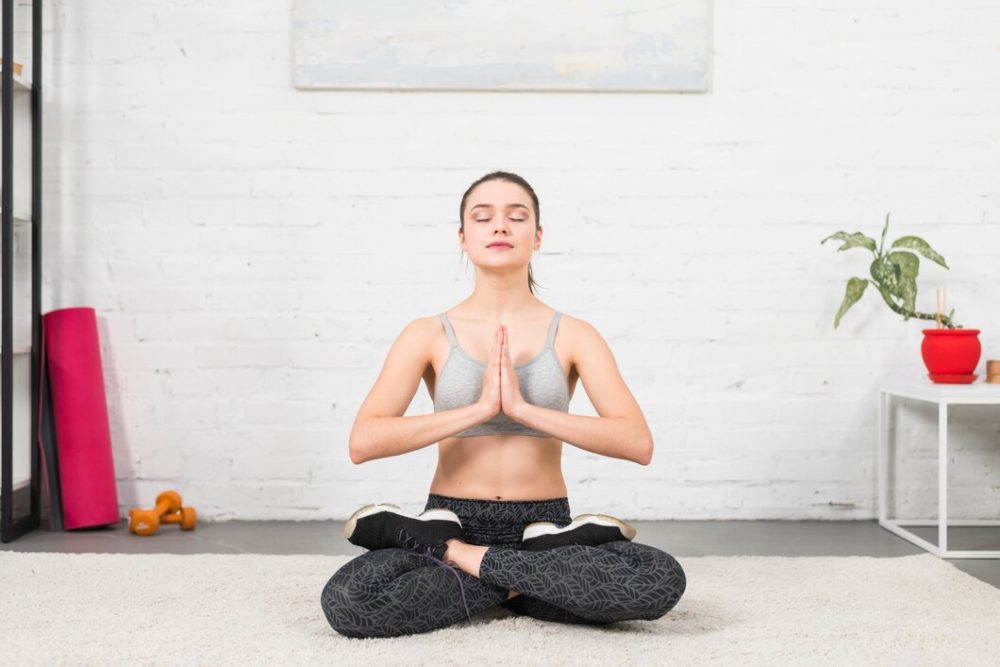
How to Sit Comfortably for Longer Durations
The process of continuous practice enables people to develop their ability to sit in Ardha Padmasana. Practitioners need to begin their practice with three to five minutes because their bodies require time to adapt to the position. The method enables the body, which contains the hips, knees, and lower back, to undergo its adaptation process without any physical stress. People experience discomfort when they try to sit for extended periods, so they must practice patience to achieve comfort and stability, which develops throughout multiple sessions.
Correct alignment requires equal importance, but it should not create increased stiffness for the body. The spine should maintain an upright position with its natural state of support and comfort. The body needs to make tiny changes when it starts to feel tense because that will help restore comfort. The adjustments require people to move their legs slightly differently from their current position, while they should also loosen their shoulder muscles and extend their spinal column. The goal is to achieve equilibrium between bodily stability and natural movement.
People can use tiny body movements during extended periods of sitting to stop themselves from experiencing numbness or discomfort. You can use weight shifts and pressure point detection to solve problems that occur before tension develops. The practice of body awareness training enables you to determine when to make movements and when to stay still. The main task requires you to find the right combination of relaxation and active presence. The correct method to handle your posture creates a supportive structure which enables you to experience enhanced comfort while maintaining your mind’s alertness.
Integrating Ardha Padmasana into Daily Practice
The practice of Ardha Padmasana provides people with a flexible and functional yoga posture that they can practice throughout their entire day. The practice of morning meditation achieves its greatest results because people reach their optimal mental and physical conditions during this time. The exercise demonstrates its benefits when practitioners use it to sit down after completing a yoga session instead of needing to stand. The exercise functions well during pranayama practice because it requires practitioners to maintain a steady position, which helps them concentrate on their breathing. The stability brought by Ardha Padmasana establishes a secure base that enables practitioners to perform alternate nostril breathing and maintain continuous breath control.
The yoga practice begins or ends with this particular posture. The practitioner sets their intention through Ardha Padmasana, while the same posture provides a way for them to achieve complete inner peace. The establishment of a basic daily schedule that requires only a few minutes of sitting time will create significant results when practised consistently. The practitioner will develop their ability to maintain stillness through consistent practice, which builds their comfort, focus, and understanding of the practice. Ardha Padmasana develops into an established practice space that provides both peace and time for self-reflection and restoration of inner peace.
Mind-Body Connection in Ardha Padmasana
The body remains motionless, which produces a direct impact on the nervous system to produce feelings of tranquillity and harmonious balance. The body maintains its steady state while the person stays relaxed, which brings about breathing that becomes slower and more uniform to indicate to the mind that it should calm down. The common use of seated postures in meditation practices exists because Ardha Padmasana serves as an essential seating position. The posture enables mental stillness through its restriction of body movements, which helps people direct their focus from outside interruptions to their internal understanding.
The practice of observing your inner experiences helps you develop emotional understanding, which establishes distance between your present state and your future reactions. The practice develops a capacity for conscious response, which becomes automatic behaviour for people who practice it. The practice of Ardha Padmasana creates a safe environment for self-examination, which enables people to reach their full understanding of themselves. The process creates stronger ties between physical and mental states, which produce inner calm and equilibrium through consistent use.
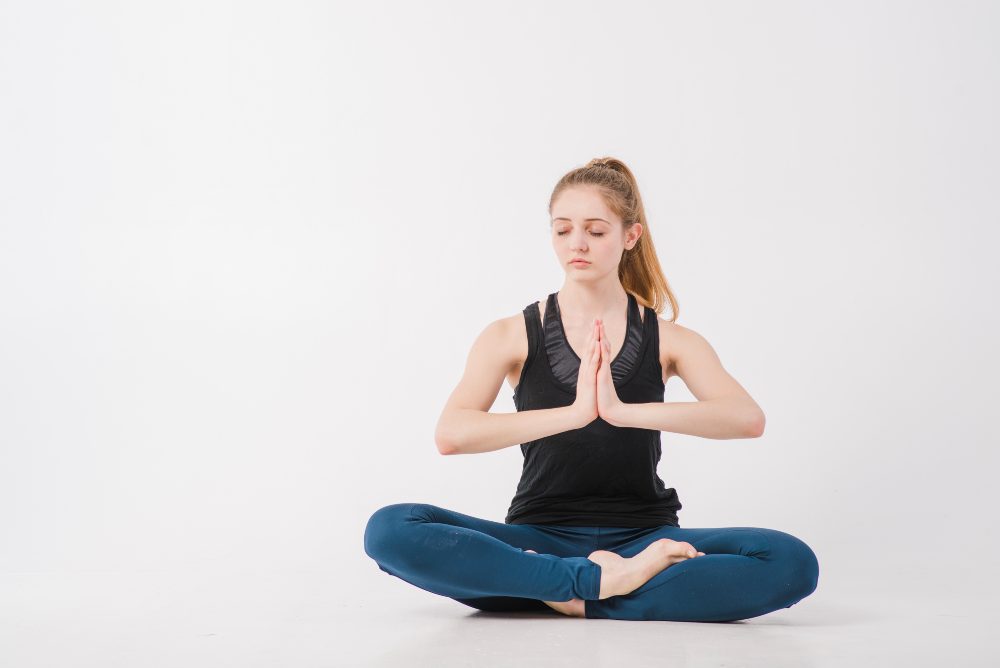
Role of Consistency and Patience
Consistency and patience are essential for mastering Ardha Padmasana. Regular, mindful practice allows the body to adapt safely, while avoiding comparison and maintaining discipline supports steady progress, leading to improved flexibility, balance, and long-term stability in yoga practice.
Gradual Physical Development
Ardha Padmasana develops through steady and mindful practice rather than forceful effort. The body needs time to adapt, allowing muscles, joints, and ligaments to open safely. When combined with controlled breathing and awareness, this gradual approach leads to improved stability, comfort, and long-term progress without risk of strain.
Avoiding Comparison
Every individual has a unique body structure, flexibility level, and pace of progress. Comparing your posture with others can create unnecessary pressure and lead to incorrect practice. Focusing on your own comfort, balance, and internal awareness ensures a safer and more effective learning process.
Building Daily Discipline
Consistency is built through small, regular efforts. Even a few minutes of daily practice or quiet meditation can significantly improve flexibility, focus, and body awareness. Over time, these consistent habits create a strong foundation, making it easier to hold the posture with stability and control.
Importance of Patience
Progress in yoga is gradual and requires a calm, patient mindset. Rushing or forcing the body can lead to discomfort or injury. When practitioners allow the process to unfold naturally, the benefits – such as improved flexibility, balance, and mental clarity—develop in a sustainable and lasting way.
Benefits of Mastering Ardha Padmasana
The practice of Ardha Padmasana helps to create a foundation of comfort, which enables meditation practitioners to achieve better stability during their practice. The body finds it easier to maintain the posture for extended periods when it reaches a state of comfortable rest. The mind achieves better concentration because physical interruptions happen less frequently. The continual practice of this position leads to improved body alignment for better results. The technique helps people maintain an upright spine position while decreasing stiffness that results from staying in one position or moving little throughout the day.
The Ardha Padmasana practice brings about physical advantages that also enhance mental health. The combination of a steady posture and calm breathing promotes a sense of inner calmness and improves concentration. The posture develops into a secure environment, which helps people build their ability to see things clearly. The system helps users build self-awareness, which helps them gain better control over their thoughts and feelings. The combination of physical stability and mental relaxation in Ardha Padmasana establishes the position as an important practice that helps people develop focus and inner peace.
Frequently Asked Questions (FAQ)
Is Ardha Padmasana suitable for beginners?
Beginners can start practising Ardha Padmasana after they finish their essential training. The training process should begin with gentle movements, which need to be practised without any equipment at a controlled speed.
How is Ardha Padmasana different from Padmasana?
Ardha Padmasana requires practitioners to place one foot on their opposite thigh. The Padmasana position requires practitioners to place both of their feet on their thighs, which creates a more challenging posture than Half Lotus.
What should I do if I feel discomfort in my knee?
You need to stop your current activity because knee pain has started. Your hip joints exhibit restricted movement capabilities according to your current condition. The person should adjust their current position or select an easier seated position because they should maintain joint protection instead of completing the pose requirements.
How long should I sit in Ardha Padmasana?
The Beginners who want to learn stretching should practice for 3 to 5 minutes before they extend their practice time. The exercise requires you to concentrate on your comfort level while maintaining regular breathing patterns instead of tracking your progress through time measurements. People need to practice until they can sit for extended periods, which will become their normal way of sitting.
Can I practice Ardha Padmasana daily?
Gently executed daily practice provides multiple advantages. The program enhances your ability to stretch better while improving your body positioning and enabling you to concentrate better. Your body will provide you with signals when you need to stop, so you should rest because even brief workout sessions will help you achieve your training objectives.
Conclusion
The practice of Ardha Padmasana appears simple yet demonstrates greater complexity, which establishes its importance in yoga practice. The practice establishes a direct connection between both physical postures and inner mental states by demonstrating that true stability exists through a combination of comfortable body positions and proper body alignment. The body needs support because people can remain motionless when they feel comfortable, and their body weight is distributed evenly. The stillness includes more than physical elements because it provides mental space, which enables deeper focus.
The practice requires practitioners to maintain their current body shape instead of trying to reach their ideal body shape. The practice requires breathing to be gentle while maintaining proper body alignment, and people should take their time instead of forcing their bodies to move. Ardha Padmasana progress occurs through a step-by-step process, in which each practice session helps students build their body familiarity with the position. The body demands time to adapt because what seems difficult to handle at first becomes beneficial after several days.
The practitioner needs time and dedication to reach a state where their body transforms into a protected space that allows them to think deeply. The practice allows people to strengthen their body-mind connection while their body awareness develops without conscious effort. The essence of yoga exists beyond physical execution and visual presentation because it centres on being in the moment. Through Ardha Padmasana practice, we develop the ability to observe ourselves while moving at a slower pace, which helps us find inner balance.