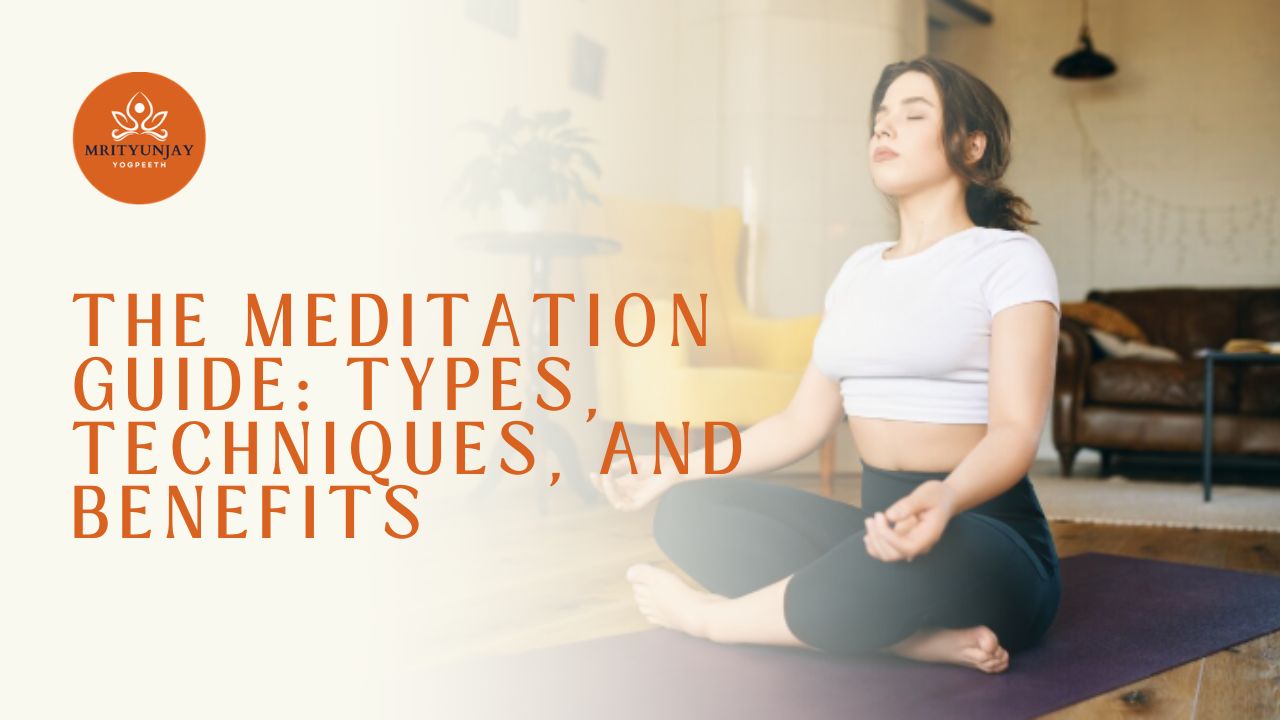
Meditation is a practical way to train attention, notice thoughts without getting pulled into them, and return to the present moment with more steadiness. This guide explains what meditation is, where it comes from, how beginners can start, which types are most common, and what current research says meditation may and may not help with.
Introduction and Foundations
Meditation is often misunderstood as a way to “empty the mind” or feel calm instantly. In reality, it is a broad family of mind-body practices that help people work with attention and awareness more skillfully. Many forms use the breath, a word or phrase, a visual image, or present-moment awareness without judgment as the main point of focus.
Understanding Meditation
At its simplest, meditation means pausing on purpose and noticing what is happening in the mind and body. Thoughts may come and go. Emotions may rise and fade. Physical sensations may shift from moment to moment. The practice is not to force those experiences away, but to observe them with less resistance and return gently to an anchor such as the breath.
That is why beginners do not need a perfectly quiet mind to meditate well. A wandering mind is normal. The practice is in recognizing distraction, letting go of self-criticism, and beginning again.
Origins and Philosophy
Meditation has been practiced for thousands of years, and many meditative traditions began in Eastern cultures before being adapted for secular wellness and clinical use. While different traditions use different methods and language, they share a common thread: training awareness so that people can relate to experience with more clarity, steadiness, and intention.
Preparing for Meditation
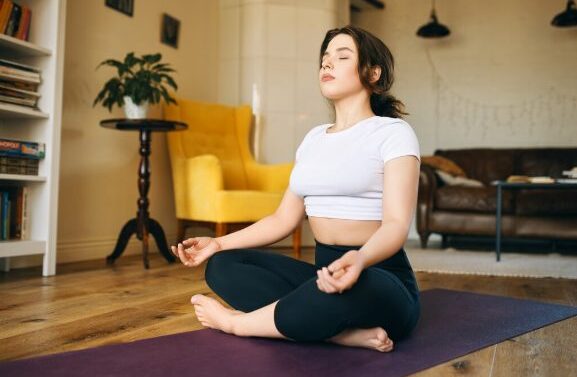
You do not need special equipment or a perfect room. A quiet corner, a chair or cushion, and a few uninterrupted minutes are enough. A helpful setup usually includes a comfortable posture, a clear focus of attention, and an open attitude toward distractions rather than a fight against them.
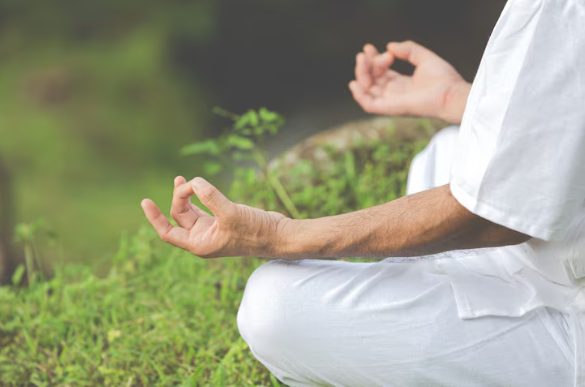
Sit in a way that feels both relaxed and alert. Let your spine feel naturally upright, soften your shoulders, and rest your hands comfortably. If sitting on the floor feels uncomfortable, use a chair. Comfort matters because pain and stiffness can become unnecessary distractions.
Step-by-Step Beginner Guide
A simple beginner session can look like this:
- Sit comfortably and take a moment to settle.
- Bring attention to your breathing without trying to change it.
- When your mind wanders, notice it kindly and return to the breath.
- Continue for five to ten minutes, then pause for a few seconds before standing up.
If closing your eyes feels uncomfortable, keep them half-open with a soft gaze. If breath awareness feels frustrating, use body sensations, ambient sounds, or a short phrase such as “here” or “steady” as your anchor.
Breathing and Awareness
The breath is a common meditation anchor because it is always available and always present. You do not need to breathe deeply or in any special pattern unless you are intentionally doing a breathing exercise. For basic meditation, simply notice the inhale and exhale at the nose, chest, or belly.
Over time, this simple attention can help you notice tension earlier, settle the mind more quickly, and feel less swept away by mental noise.
Common Types and Techniques
There is no single “best” type of meditation. The most helpful style is usually the one you can practice consistently and comfortably.
Mindfulness meditation helps build present-moment awareness and a nonjudgmental attitude. In this practice, you notice your breath, body sensations, thoughts, emotions, and surrounding sounds. When your mind gets distracted, you gently bring your attention back to the present moment. Beginners can start with 5 to 10 minutes a day, and this method is highly suitable for beginners.
Focused attention meditation is used to strengthen concentration and mental steadiness. In this practice, you keep your attention on one chosen object, such as your breath, a sound, a mantra, or a candle flame. Whenever your mind wanders, you calmly return your focus to the chosen object. A 5 to 10-minute session is a good starting point, and this technique is also highly beginner-friendly.
Loving-kindness meditation, also known as Metta meditation, helps cultivate warmth, compassion, and goodwill. During this practice, you silently repeat phrases of kindness for yourself and others. These phrases may include wishes for peace, happiness, safety, and well-being. Beginners can practice this for 5 to 15 minutes. It is highly suitable for beginners and can be especially helpful for developing emotional balance and kindness.
Transcendental meditation and body scan meditation both encourage calm and deeper awareness. In transcendental meditation, a person softly repeats a mantra to help settle the mind. In body scan meditation, attention gradually moves through the body from head to toe, noticing sensations without judgment. A typical session can last 10 to 20 minutes. Overall, this practice may feel moderate for some beginners, but body scan meditation is especially beginner-friendly.
Techniques Explained
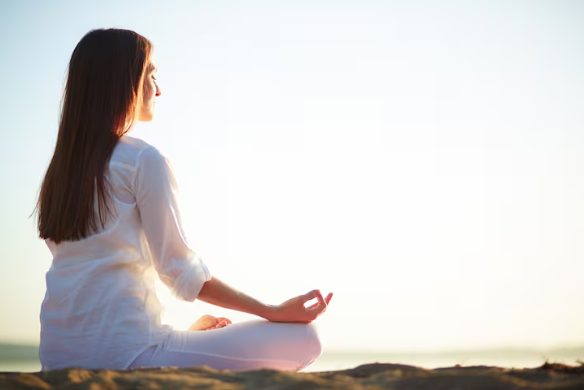
Mindfulness meditation is often the easiest place to begin because it teaches you to notice experience as it is. Focused attention is useful when you want a very simple anchor and a clearer sense of how to return when the mind drifts. Loving-kindness can be especially helpful when the inner voice feels harsh or critical. Body scan is a strong option for people who feel disconnected from the body or hold a lot of physical tension.
If you are new, choose one method and stay with it for a week or two before changing styles. Consistency usually teaches more than constant switching.
Benefits of Meditation
Research does not support every claim made about meditation, but several benefits have meaningful evidence behind them:
- Stress and distress: Mindfulness meditation programs can produce small to moderate reductions in negative dimensions of psychological stress.
- Anxiety symptoms: Evidence reviews report modest improvements in anxiety, especially when meditation is practiced regularly over time.
- Depression symptoms: Meditation may help reduce symptoms of depression, particularly as part of a broader care plan.
- Chronic pain support: Evidence is mixed overall, but the case for chronic pain is stronger than it is for acute pain, and some reviews show small improvements.
- Sleep quality: Mindfulness meditation may reduce insomnia and improve sleep quality.
- PTSD symptoms: Some studies suggest meditation and mindfulness may reduce PTSD symptoms in certain groups.
- Mental health-related quality of life: Reviews also suggest modest gains in mental well-being and quality of life.
Scientific Perspective
Current research is strongest for selected outcomes rather than every popular claim about meditation. A major systematic review and meta-analysis found moderate evidence for improvement in anxiety and depression and smaller effects for pain and stress-related outcomes. Separate research on chronic pain suggests modest benefits, but the quality of evidence still varies, and stronger trials are needed.
Scientists are also studying how meditation relates to the brain. In one small longitudinal imaging study, participation in an eight-week mindfulness-based stress reduction program was associated with increased gray matter concentration in regions linked to learning, memory, self-referential processing, and perspective taking. NIH also cautions that meditation studies can be difficult to compare because techniques, populations, and outcomes differ widely across studies.
Sleep research is especially promising for some groups. In a randomized clinical trial of older adults with moderate sleep disturbances, a structured mindfulness meditation program improved sleep quality more than a highly active sleep-hygiene education program at post-intervention.

Medical Disclaimer
This article is for general education and wellness. Meditation can support well-being, but it is not a substitute for medical, psychological, or emergency care. If you live with trauma, severe anxiety, depression, psychosis, chronic pain, or another medical condition – or if meditation makes distress worse – pause and speak with a qualified health professional before continuing. NIH notes that meditation is usually considered low risk, but some people do report negative experiences, including anxiety or depression.
Common Mistakes
Most beginners are not “bad” at meditation – they are simply noticing the mind for the first time. The most common mistakes are trying to eliminate every thought, sitting too long too soon, and rating every session as either good or bad. A wandering mind is not failure; returning is the training.
Challenges and How to Overcome Them
Restlessness, sleepiness, impatience, and lack of time are normal. If sitting still feels difficult, shorten the session, open your eyes slightly, or try walking meditation. If breath awareness feels activating, switch to body sensations or sounds. If you keep getting distracted, that is still practice. Each return strengthens the habit of awareness.
Creating a Daily Routine
Consistency matters more than intensity. A brief session practiced most days is usually more sustainable than an occasional long session. Tie meditation to an existing habit, such as making tea in the morning, taking a lunch break, or settling down before bed.
Mind-Body Connection
Meditation can make the link between mind and body easier to notice. Thoughts often show up physically as tight shoulders, shallow breathing, jaw tension, or a racing heartbeat. As awareness grows, you may catch these patterns earlier and respond with more calm and choice.
Consistency and Patience
Progress is rarely dramatic. Some sessions feel clear, and others feel scattered. What matters is showing up, practicing gently, and letting the effect build over time. Short, steady practice usually matters more than occasional intensity.
Advanced Insights
As practice deepens, meditation often becomes less about trying to relax and more about recognizing mental habits in real time. Many people begin to notice a little more space between a trigger and their reaction. That subtle shift can make daily life feel steadier, less rushed, and more intentional.
FAQ
Is meditation suitable for beginners?
Yes. Start with a simple method such as breath awareness, body scan, or loving-kindness for a few minutes a day.
How long should I meditate each day?
Five to ten minutes is a realistic starting point. As the habit becomes easier, you can extend the session if it feels helpful.
What if my mind keeps wandering?
That is normal. The practice is not to stop thoughts, but to notice them and return gently.
Can meditation replace sleep or exercise?
No. Meditation can complement healthy routines, but it does not replace sleep, movement, medical care, or mental health treatment.
When will I notice results?
Some people notice a sense of calm fairly quickly, but deeper benefits usually come from regular practice over time.
Conclusion
Meditation is simple, but it is not shallow. It teaches you to pause, notice, and return. With steady practice, it can become a practical way to relate to stress with more clarity, meet emotions with less reactivity, and build a calmer relationship with your own mind.
Start small. Keep the method simple. Let consistency do the deeper work.